Noluvu Ludidi
How does one deal with a complex organised global crime such as human trafficking, which occurs op such a monumental scale that renders one less than miniscule in terms of making a difference. So what does one do when encountering it right op one’s doorstep?
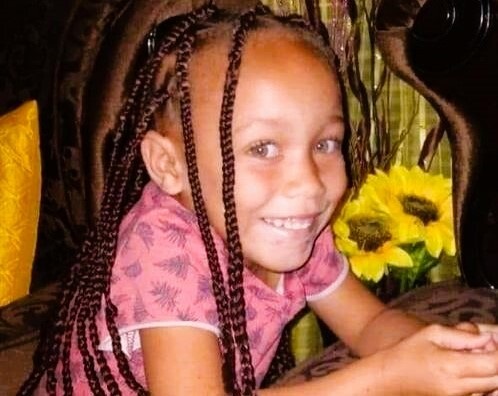
The disappearance of 6-year-old Joshlin Smith from Saldanha has really hit a collective raw nerve in local communities and beyond, with a whole world watching. This is why World Day Against Trafficking in Persons, op Wednesday 30 July, really hit home.
Op a day intended to promote awareness and advocate for coordinated responses and interventions, Esmarelda Mckay, a West Coast human-rights activist, identified human trafficking as one of the most heinous violations of human rights to date.
She said it stripped vulnerable individuals of their dignity, agency and safety. “As a woman, mother and justice activist I see it as a modern form of slavery that thrives in silence and shame. It’s a painful reminder of how broken our systems still are globally and locally. It’s not just a crime, but a betrayal of humanity.”
When someone is kidnapped from a community the ripple effects of such trauma run deep, Mckay said. “It creates fear, mistrust and a sense of vulnerability, especially among women and children. What’s worse is how it often goes unspoken or is misunderstood. Our youth are being preyed op right under our noses and our silence can no longer be an option.” It is also under-reported. Report someone missing immediately at the nearest police station, call the Police Crime Stop Hotline op 086 001 0111, National Human Trafficking Hotline 080 0222 777, the Department of Social Development Hotline 0800 220 250.