CAPE TOWN – Unseasonable heat is forecast for the Western Cape this week as the region grapples with the consequences of one of the driest winters on record, with many dam levels significantly below last year’s levels.
El Niño warning as temperatures set to soar
The South African Weather Service has warned that a very strong El Niño event is developing in the Pacific Ocean for the 2026/27 period, bringing warmer and drier than normal spring conditions to the province. Early September temperatures are expected to fluctuate between 17°C and 31°C, with forecasts suggesting the region may face an increased frequency of severe heatwaves if the El Niño persists.
The unseasonably warm weather comes at a time when the Western Cape is reeling from a winter marked by record-low rainfall. July 2026 was the driest on record for many parts of the south-western Western Cape, with Cape Town International Airport recording just 14.4 mm of rain for the entire month – the lowest since 1958.
A strong blocking Atlantic high-pressure system diverted cold front systems south of the province, robbing the winter rainfall region of its crucial annual water storage period.
Paarl rainfall down by half compared to normal years
To further put the Cape Town and surrounds rainfall into perspective, the Winelands town of Paarl has recorded a total rainfall so far of 520 mm for 2026. If it had not been for the torrential rains during the May floods – 190 mm of rain fell in just three days – Paarl would then only have had 330 mm of rain for the year.
But last year already the rainfall declined with only 575 millimetres recorded for 2025, while 2024 saw healthy rains with 1 012 mm recorded, and 2023 saw 1 210 mm. Paarl has an annual average rainfall of about 1 000 mm per year.
Paarl’s low rainfall this winter has sparked concerns, as the area has been transformed into a hub of massive residential development.
ALSO READ: Western Cape braces for eight-month fire season as severe El Niño looms
Major dams plunge as water restrictions loom
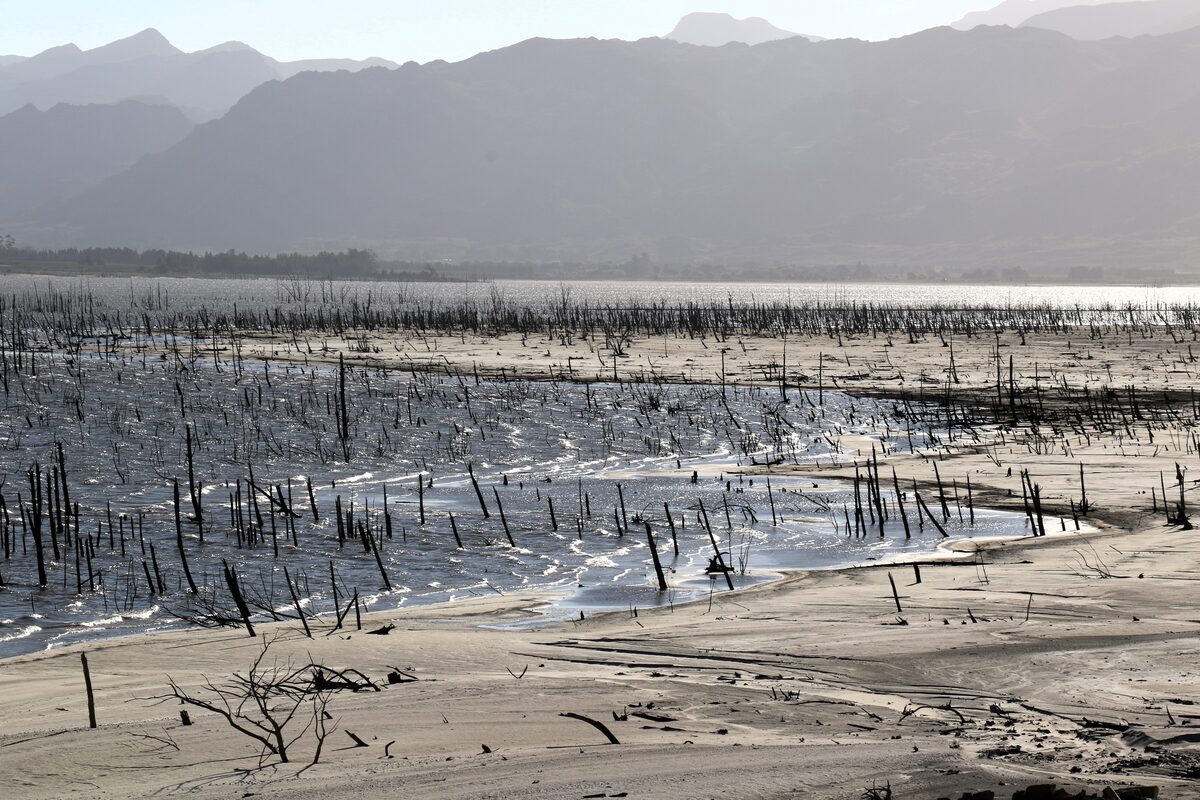
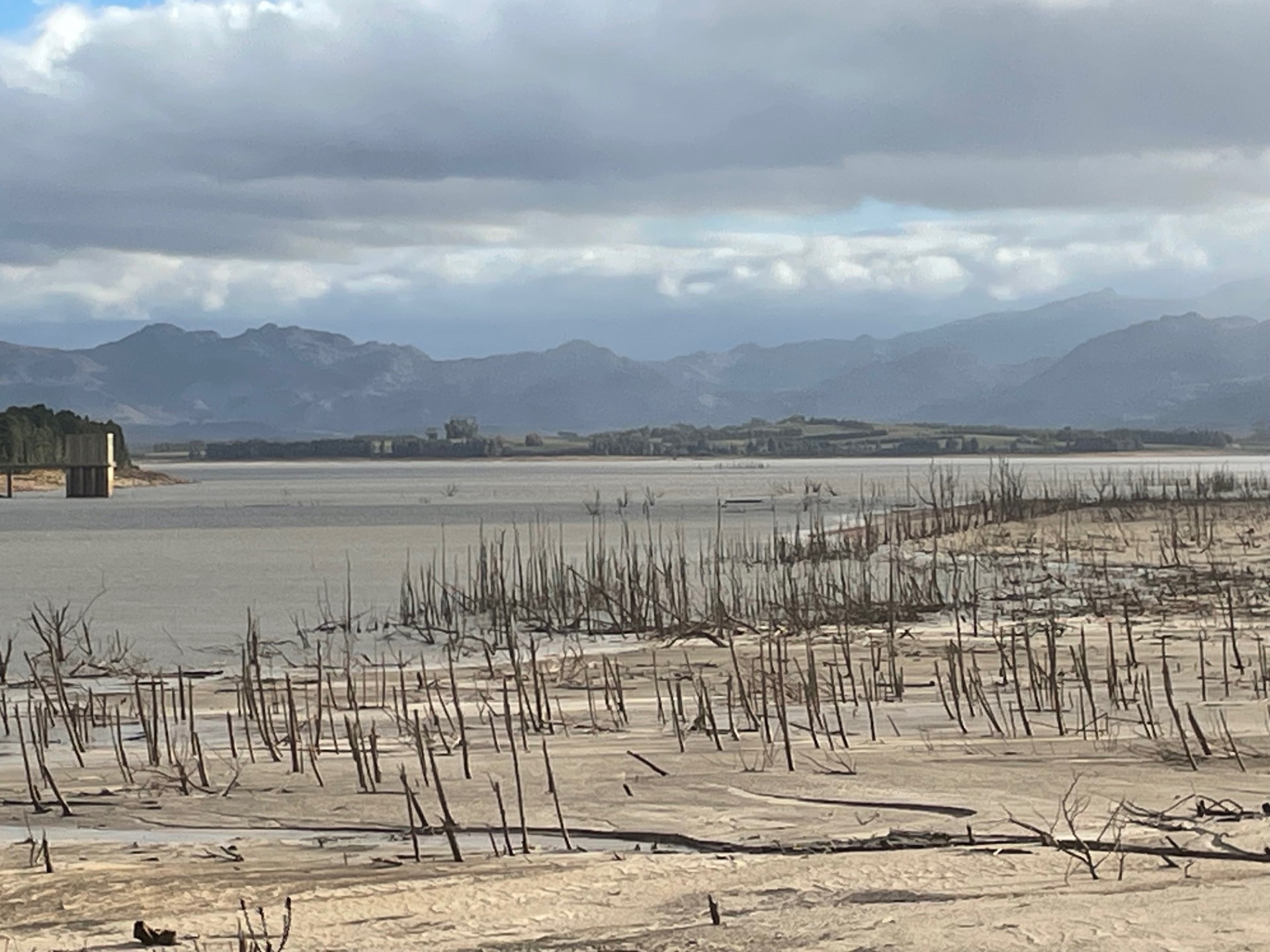
The impact on dam levels has been significant. As of 7 September, the Western Cape Water Supply System stands at 79.5%, down from 84.7% at the same time last year.
Theewaterskloof, Cape Town’s largest dam, is at 75.9% (86.5% 2025), while Voëlvlei has dropped to just 59.2% (100% 2025). Steenbras Lower dam is critically low at 47% (99.35% 2025).
The Berg River and Breede River catchments are both sitting at around 74%, while the Gouritz River Catchment bucked the trend at nearly 100%, and the Olifants/Doorn River Catchment remains relatively healthy at 95.1%.
ALSO READ: Western Cape dry winter raises water security concerns despite healthy dam levels
The City of Cape Town has entered a drought-caution phase due to concerns over high water demand, the early end of the rainy season and the rising risk that water restrictions may be required in the short to medium term.
Both provincial and municipal authorities have urged residents to use water sparingly as the region faces a warmer and drier than normal summer under El Niño conditions.
While the Department of Water and Sanitation has maintained it remains positive and does not anticipate immediate water restrictions ahead of a November storage review, the combination of below-normal winter rainfall, declining dam levels and unseasonable spring heat has raised concerns about the Western Cape’s water security in the months ahead.
ALSO READ: World braces for potentially strongest El Niño on record as ocean temperatures soar