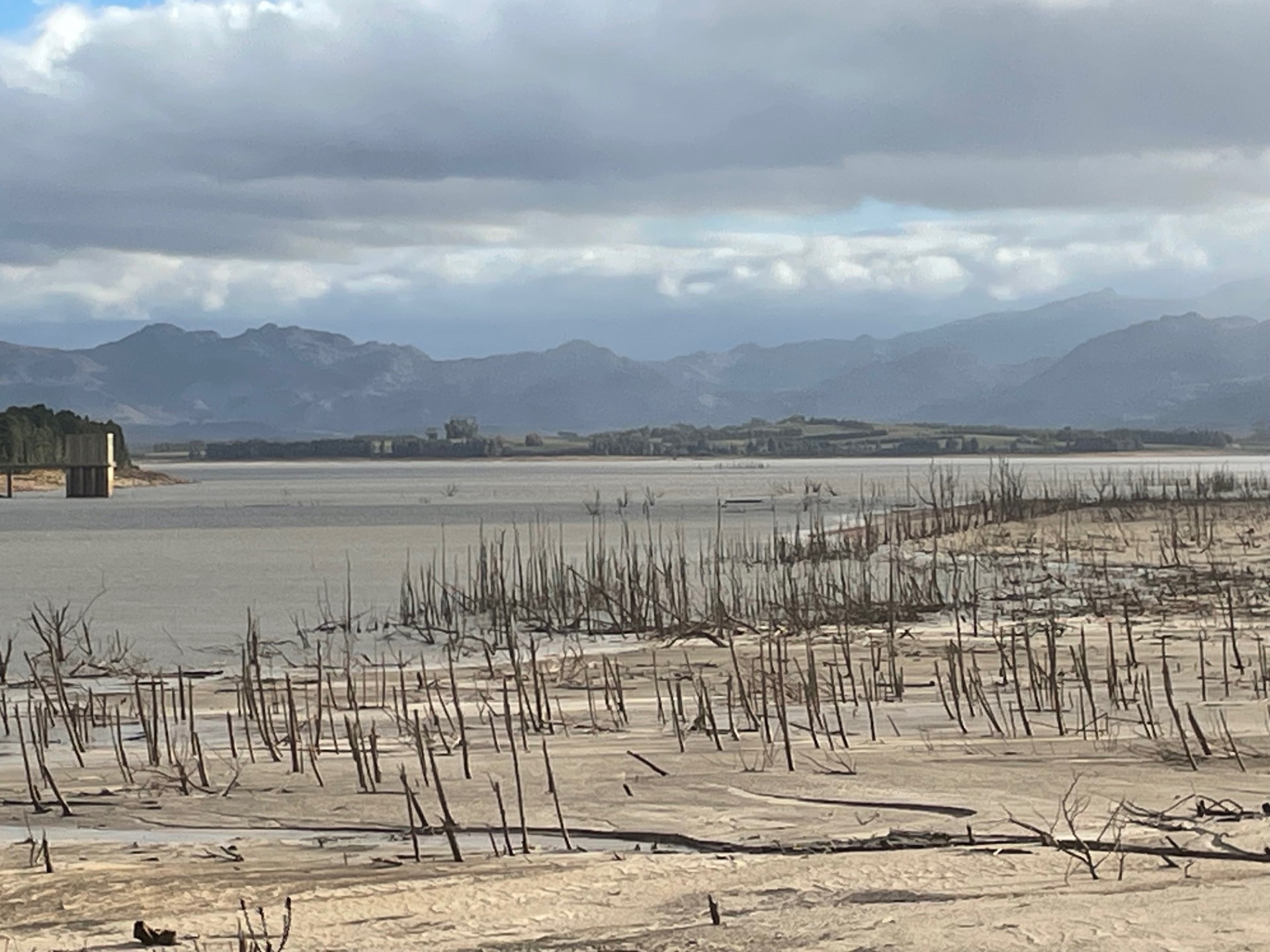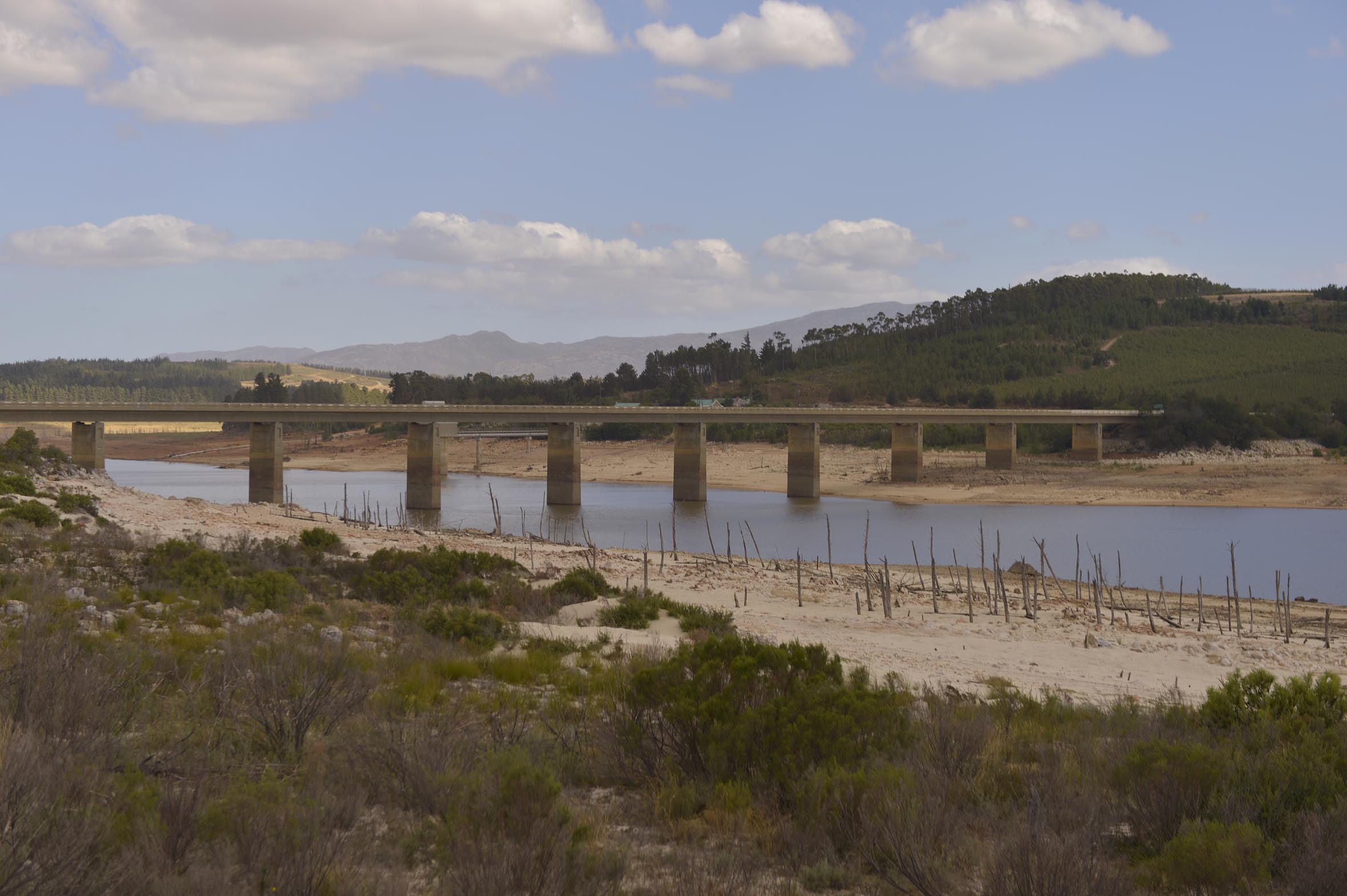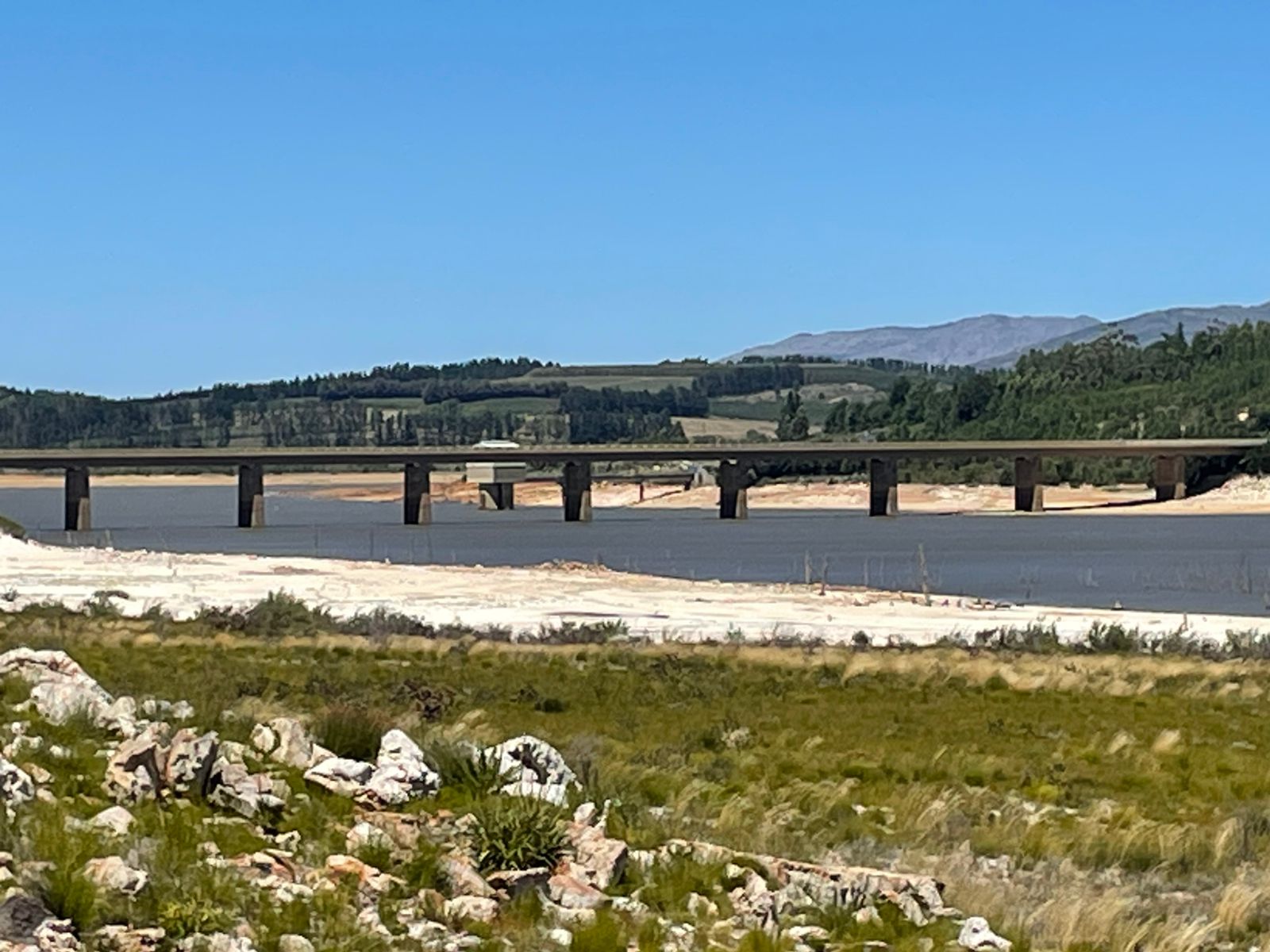
The Western Cape’s overall dam levels may appear reassuring at close to 80%, but water experts warn that underlying rainfall patterns tell a more concerning story as the province experiences one of its driest winters in recent years.
According to the latest data from 3 August, the Western Cape’s combined dam levels stand at 79,5%, slightly higher than the 79% recorded at the same time last year. However, these seemingly healthy levels mask the reality of a winter season marked by worryingly low rainfall across key agricultural regions.
“The healthy dam levels with which we are currently entering winter are largely thanks to the exceptional floods of May, but not a normal, healthy winter rainy season,” said Jannie Strydom from HUB Agri Wes-Kaap. “This is an important distinction because it means the underlying rainfall pattern for this winter is really weaker than one would expect and the dam levels possibly create a false sense of security.”
Driest July on record for parts of province
The South African Weather Service (SAWS) confirmed the severity of the dry spell, stating that below-normal rainfall was observed in June and persisted into July across the southwestern region of the province.
“Several parts of the region recorded their lowest rainfall on record during July,” SAWS stated on 31 July. Cape Town International Airport recorded only 14,4mm in July, its lowest reading for the month in 68 years.
Kirstenbosch in Cape Town which generally experiences healthy rainfalls in July of over 240mm, only recorded 66mm for July this year.
In the Cape Winelands, Paarl recorded only 96mm of rainfall in June, compared to 165mm in June 2025. The situation worsened in July, with Paarl receiving a mere 20,5mm, a dramatic drop from the 137,50mm recorded in July 2025.
The weather service explained that a strong blocking Atlantic high-pressure system to the west of the country has driven cold frontal systems further south of the province, meaning the rains they would typically bring have not fallen over the Western Cape.
May flooding masks underlying drought
The province’s current water storage is largely attributed to exceptional rainfalls that caused widespread flooding in the province in May and June. Ceres recorded more than 500mm of rainfall in May alone, while Paarl received 233,50mm. Without these floods, dam levels would be critically low.
“Several severe weather systems impacted parts of the Western Cape during May and early June, which significantly improved water storage across many parts of the province. Since then, a strong blocking Atlantic high-pressure system to the west of the country has driven cold frontal systems further south of the province,” SAWS noted.
Cape Town’s water supply system currently sits at 77,6%, down from 84,5% at this time last year. The system’s largest dam, Theewaterskloof, is at 77,9%, compared to 80% last year. Voëlvlei has seen a more significant decline, dropping from 85,5% last year to just 61,8% currently.
Not all dams are struggling equally. The Gouritz River catchment area is performing exceptionally well at 98,7%, while the Olifants/Doorn River catchment stands at 94,9%. Several individual dams including Wemmershoek (99,3%), Steenbras Upper (99,1%) and Clanwilliam (95,1%) are near capacity.
El Niño threatens summer water security
While the current dry winter conditions are not directly linked to El Niño, the weather service warns that worse may be ahead as the El Niño weather pattern intensifies heading into summer.
“As El Niño is expected to strengthen further over the coming months, the likelihood of a warmer-than-normal summer over the Western Cape is expected to rise,” SAWS said. “Given the current uncertainty regarding rainfall during the 2027 winter season, the public is encouraged to use water sparingly in the coming months.”
El Niño, triggered by a warming of surface sea temperatures in the tropical Pacific, typically brings drier and warmer conditions to South Africa during spring and summer months. The developing El Niño is widely forecast to potentially be one of the strongest on record.
Early blooming threatens fruit production
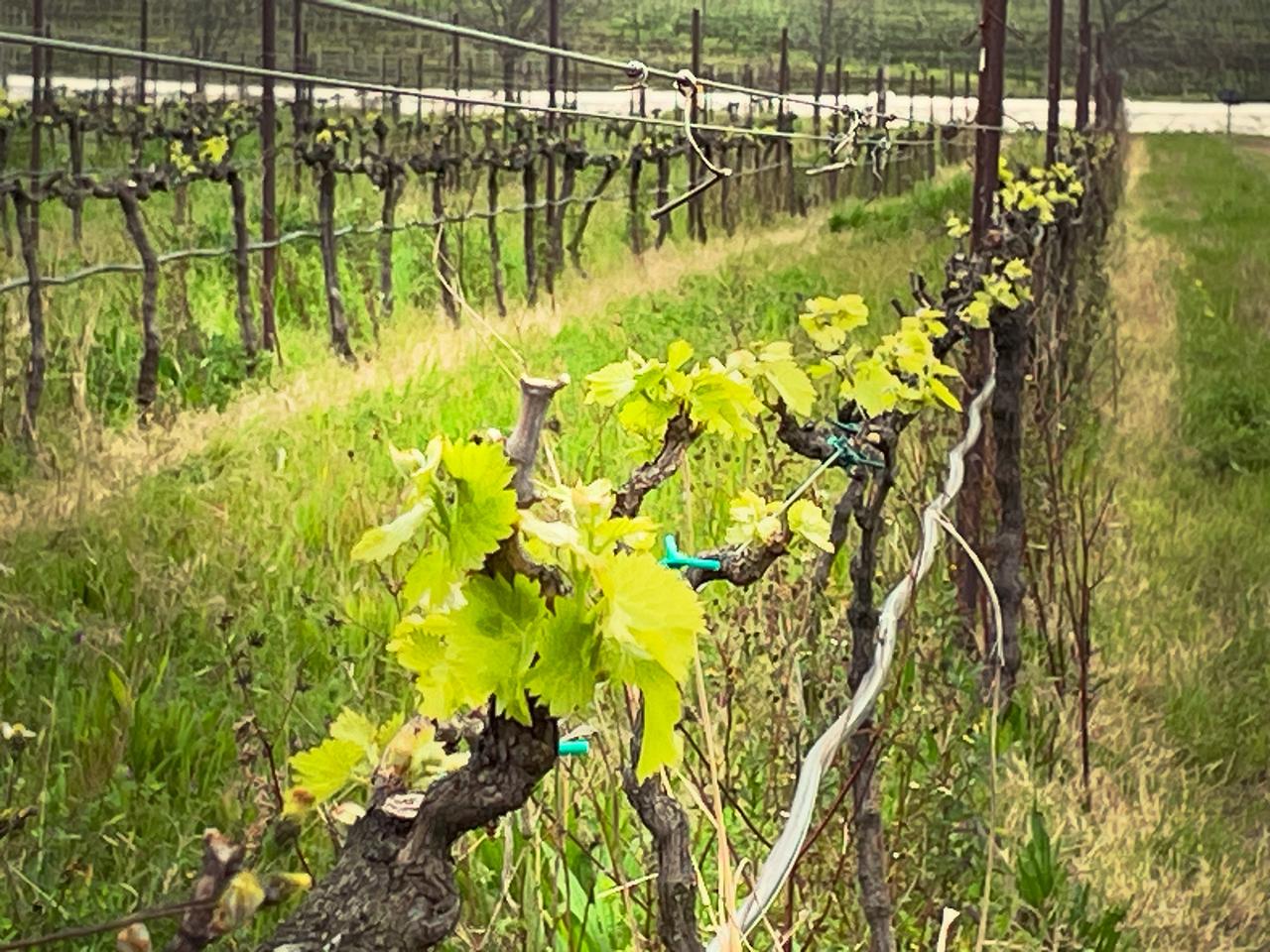
The dry, warm winter weather in the province is causing additional headaches for farmers beyond water concerns. Fruit trees and grape vines are blooming unusually early in the season, with some farmers reporting blooms occurring as much as four weeks ahead of schedule.
This premature flowering could have serious implications for the upcoming harvest, as early blooms are more vulnerable to late-season cold snaps and can disrupt the normal growing cycle.
Strydom emphasised that despite current dam levels appearing adequate, water planning cannot be relaxed. “We will continue to encourage members to maintain responsible water consumption and management, and to work together with the Western Cape government’s Water Resilience Strategy to better prepare the province for future seasons that may not be saved by random flood events.”
He also called on the Department of Infrastructure to review regulations around farm dams and water runoff management to help producers better manage during drought periods.
The good news however is that a cold front is approaching with much cooler weather and rains expected in Cape Town and surrounds from Thursday through to Sunday.
ALSO READ: World braces for potentially strongest El Niño on record as ocean temperatures soar