The Western Cape is preparing for one of the most severe El Niño events in recorded history, with the province’s fire season now doubling from four to eight months.
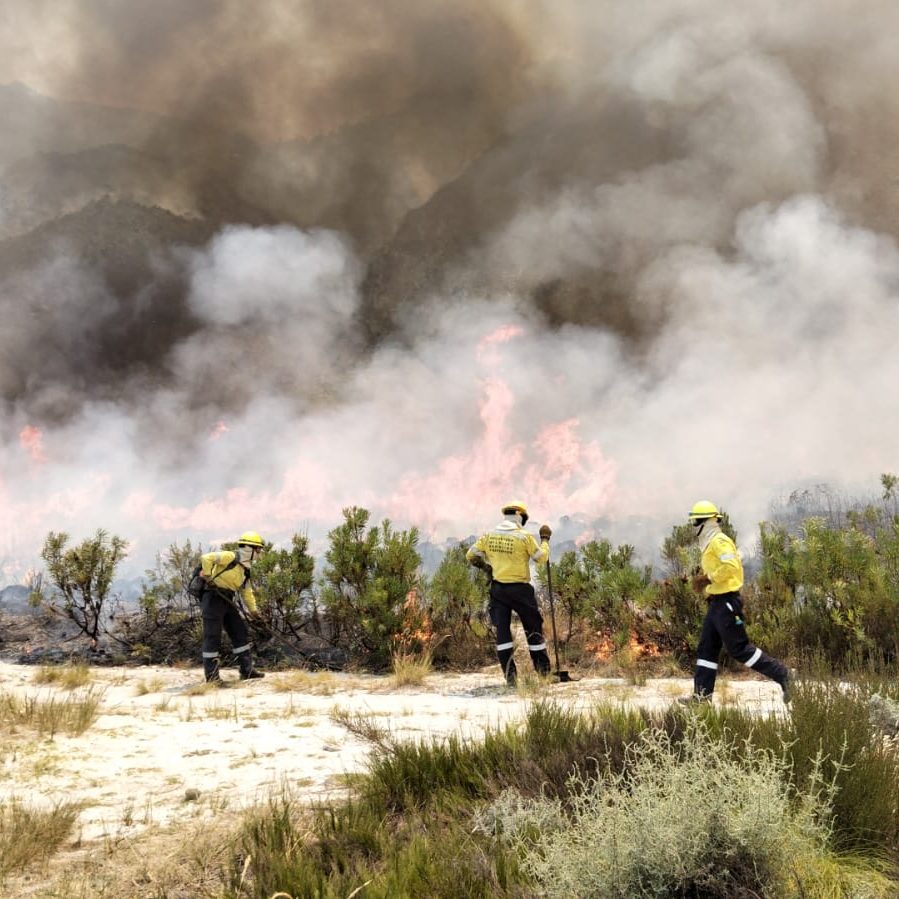
The province experienced its most severe fire season in a quarter-century in the 2025/26, with firefighting crews battling an unprecedented number of blazes that started weeks earlier than usual and cost more than R15 million to contain.
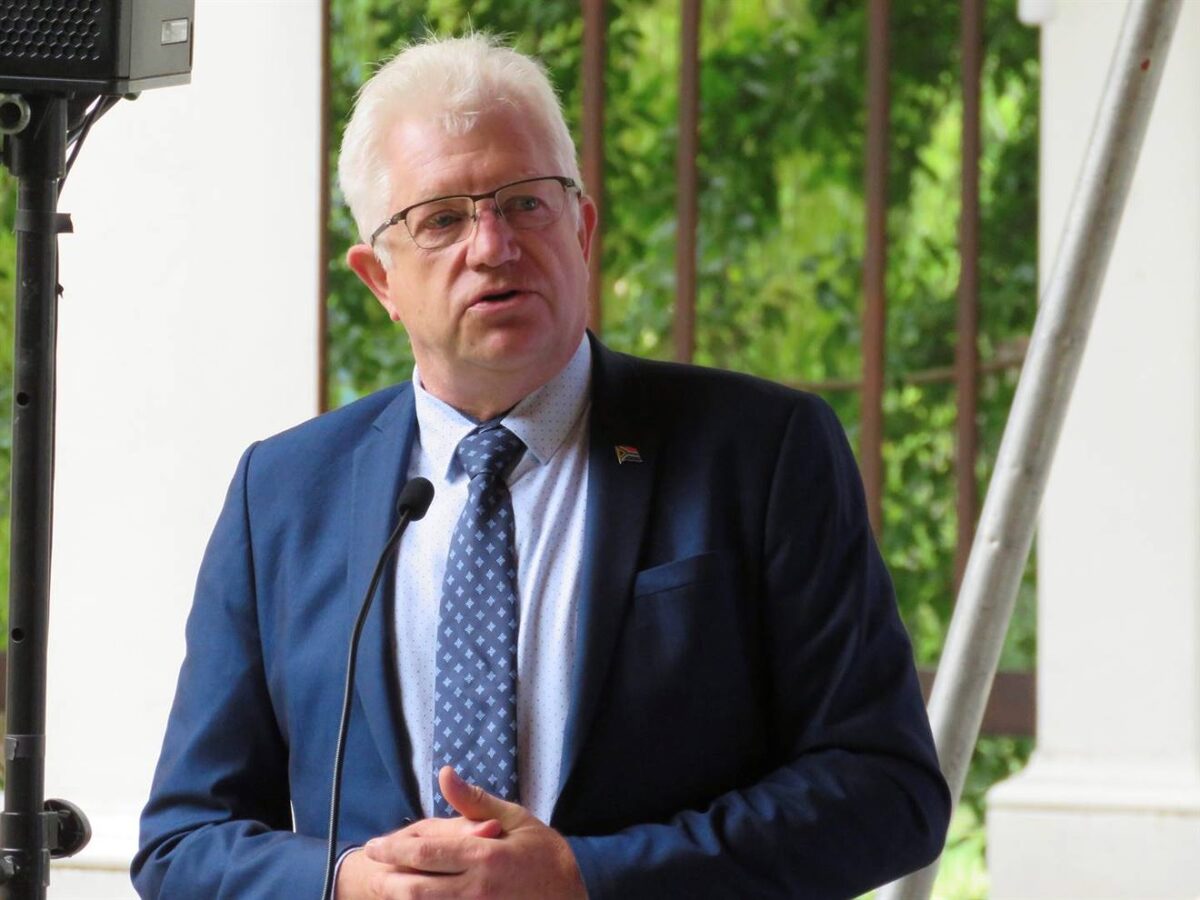
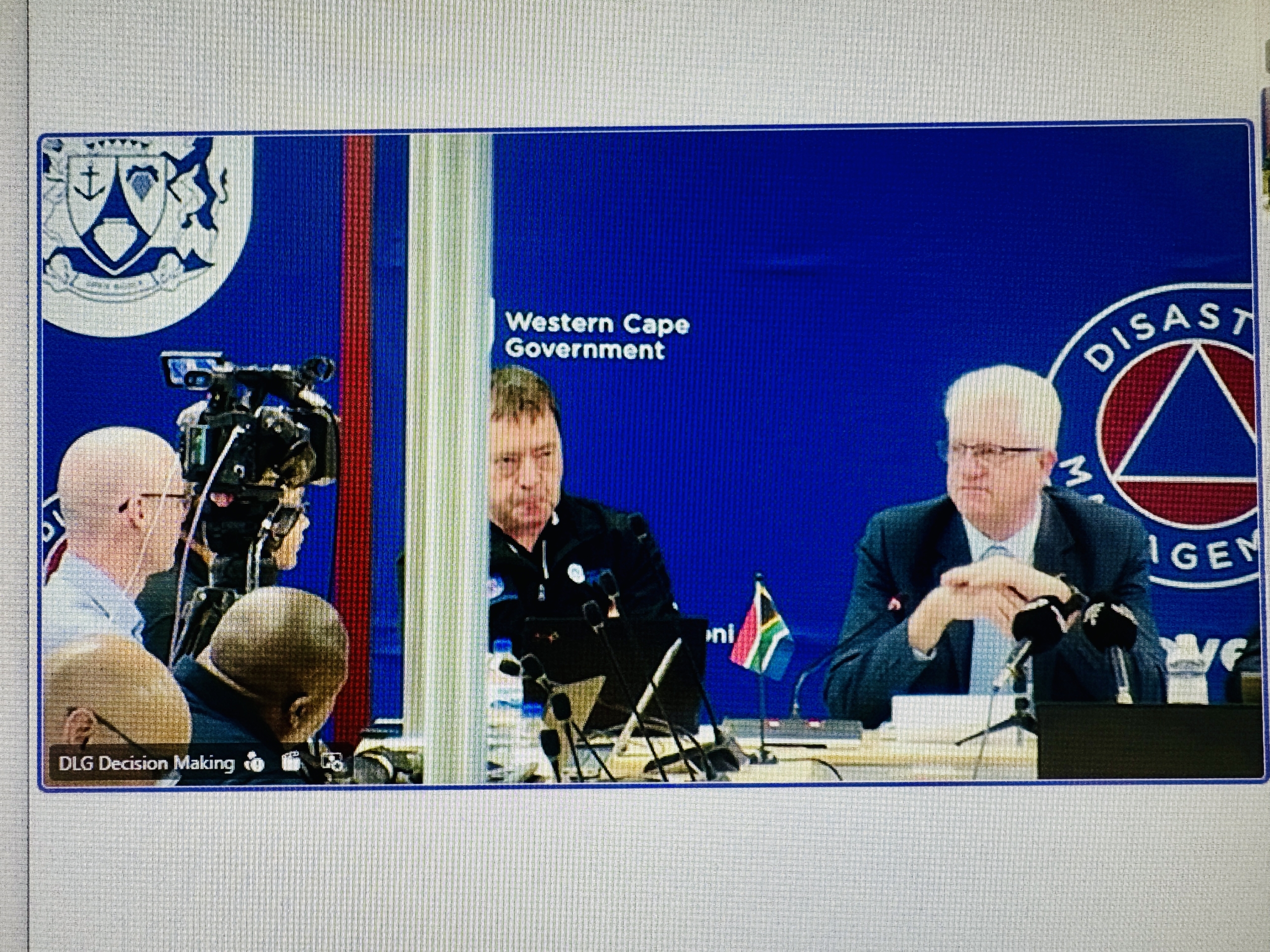
Minister of Local Government, Environmental Affairs and Development Planning Anton Bredell confirmed in the provincial parliament this week that the high-risk fire period will stretch from October through May this year, driven by extreme El Niño weather patterns and climate change.
Provincial authorities have fast-tracked their response
CapeNature and the Western Cape Provincial Disaster Management Centre have implemented rapid operational measures to counter the threat. Firefighter training has been brought forward to September to support the “rapid attack” doctrine, which has successfully extinguished 90% of ignitions within the first hour.
The province is using an in-house multi-layer spatial mapping system to identify and prioritise alien vegetation clearing across critical mountain catchments. This targets invasive plants that increase fire risk.
ALSO READ: Record-breaking El Niño threatens extreme weather worldwide
Independent aerial support ready
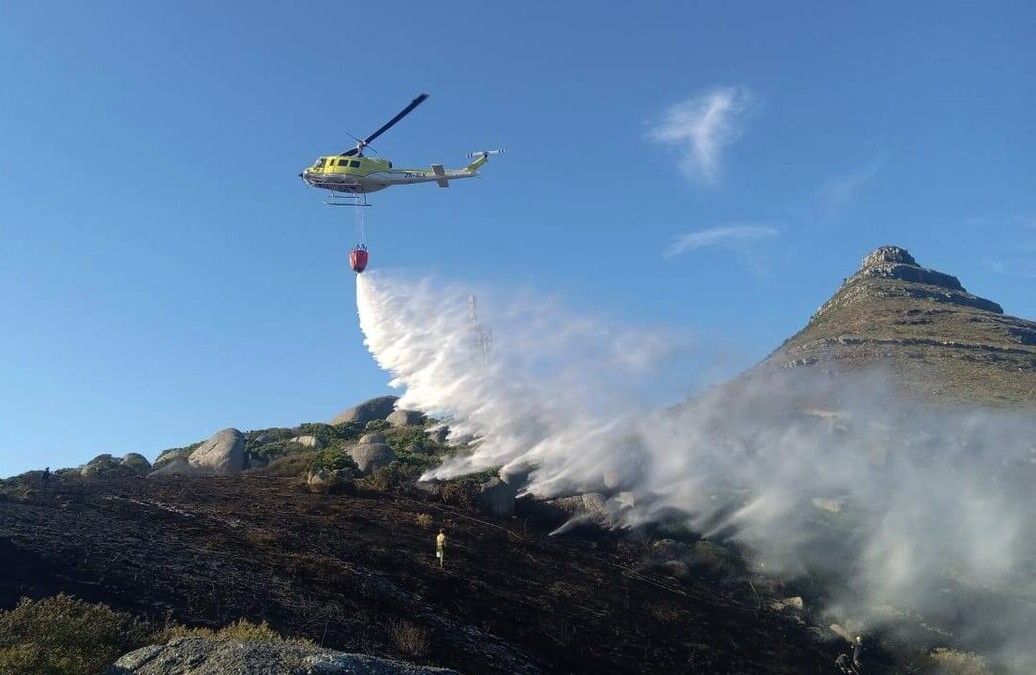
To avoid national tender disruptions, the DA-led provincial government has implemented a split-contracting model ensuring independent private aerial support remains operational. This includes specialised helicopters and water bombers on standby.
Dave Bryant, DA Western Cape spokesperson on Local Government, Environmental Affairs and Development Planning, said the convergence of extreme El Niño weather patterns and climate change presents an unprecedented threat to biodiversity, water security and local communities.
“While our provincial disaster management teams, CapeNature and mutual aid partners have shown outstanding foresight in preparing for this season, government cannot tackle a crisis of this magnitude in isolation,” Bryant said.
Call for private sector involvement
The spokesperson emphasised that private landowners must clear invasive alien vegetation, cut back fuel loads and maintain boundary firebreaks on their properties.
Provincial rapid-response interventions protect significant private assets, with an estimated R500 million in property saved during the Piketberg blaze.
Bryant called on the insurance industry to partner with government by co-funding aerial flying hours and ground crews.
“Protecting our province requires a complete, whole-of-society effort,” he said.
ALSO READ: Western Cape records worst fire season in 25 years as dry winter looms