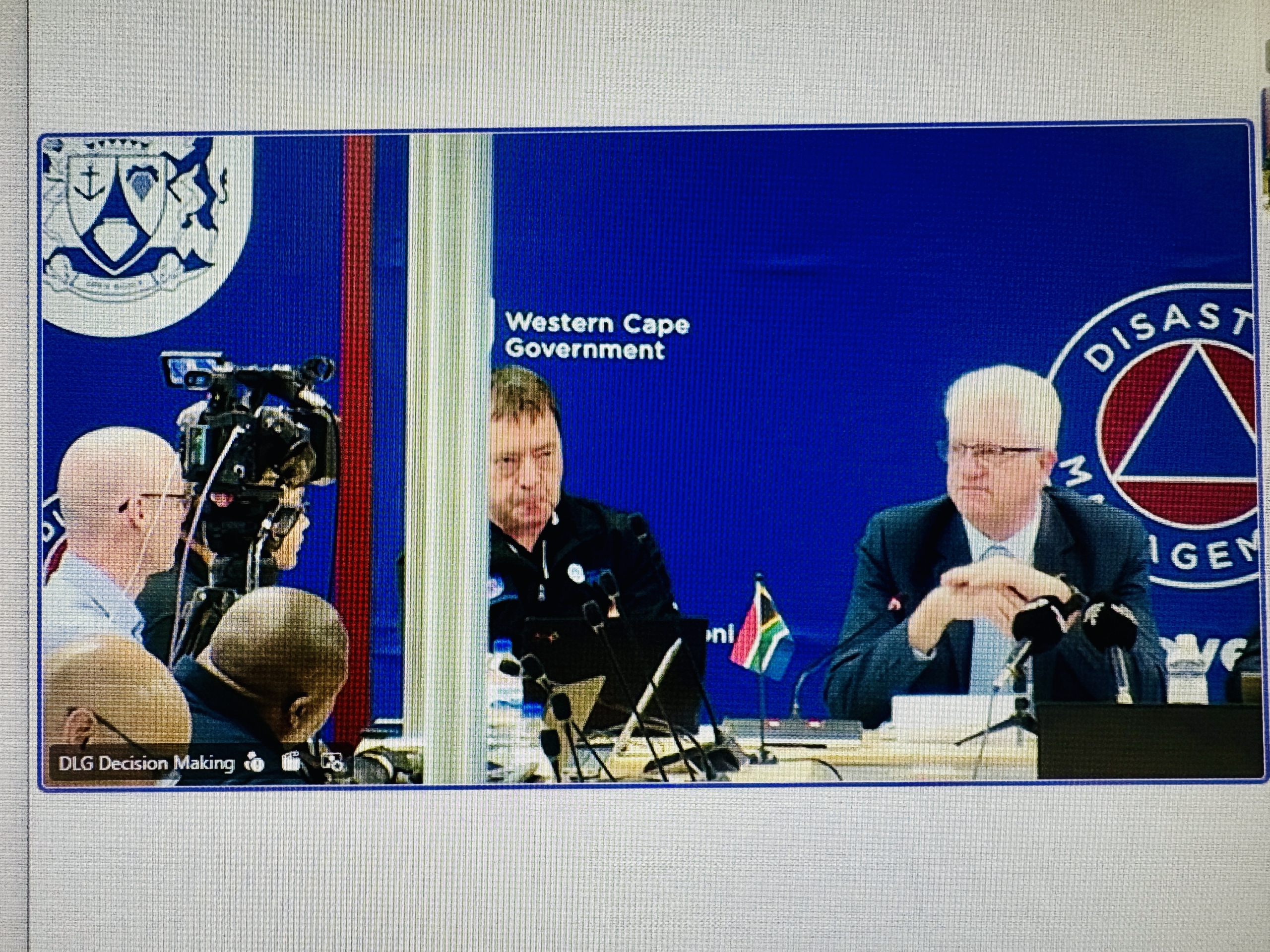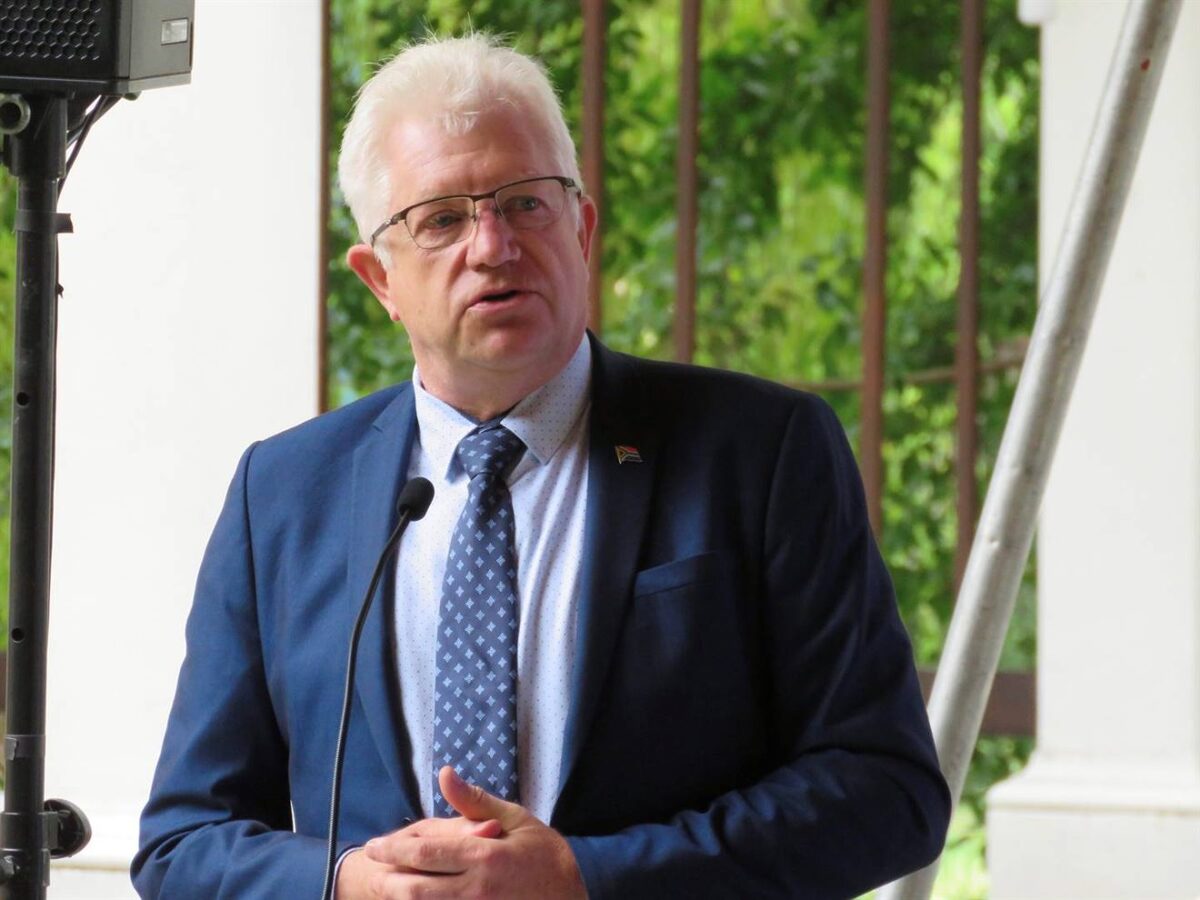
Western Cape Premier Alan Winde will host a digicon (Teams online public briefing) on Thursday, 27 August, to outline the provincial government’s preparedness for the El Niño Southern Oscillation (ENSO) climate phenomenon, as one of the most severe El Niño events in recorded history looms.
Summer readiness
The digicon, scheduled for 11:00 to noon at the Provincial Disaster Management Centre, will also address readiness for the upcoming summer fire season, which has now extended from four to eight months.
Winde will be joined by Minister of Local Government, Environmental Affairs and Development Planning Anton Bredell, Head of Department Graham Paulse, Head of the Provincial Disaster Management Centre Dr Colin Deiner, and Chief Director: Environmental Sustainability Karen Shippey.
Bredell confirmed in the provincial parliament last week that the high-risk fire period will stretch from October through May, driven by extreme El Niño patterns and climate change.
The province experienced its most severe fire season in 25 years in 2025/26, with blazes starting weeks early and costing over R15 million to contain.
El Niño
Cape Town’s water supply remains stable, but the latest 2026 Water Outlook shows the risk of restrictions has increased.
The South African Weather Service has warned that the El Niño pattern has developed and will strengthen rapidly, bringing a drier and warmer summer to most of the country. The phenomenon is expected to persist until at least the end of the 2026/27 season.
Dam storage sat at about 76% in early July, and seasonal forecasts point to below-average rainfall for the rest of the season.
Water demand rose above the 1.5% target during 2025/26, due to an early end to the rainy season and an extended dry summer.
City monitoring
The City is monitoring conditions to assess whether low-level restrictions may be needed.
“We are not waiting for the next drought to start preparing. We are investing now in new water sources and better ways of managing our existing resources,” said Mayco member for water and sanitation Zahid Badroodien.
The City’s New Water Programme aims to deliver 300 million litres of additional water per day by 2036 through groundwater, reuse, desalination and nature-based solutions.
The Table Mountain Group Aquifer, Cape Flats Aquifer, and Berg River-Voëlvlei Augmentation Scheme are already advancing.
The Greater Cape Town Water Fund has cleared invasive alien plants since 2019, potentially increasing available water by 30 million litres per day.
ALSO READ: Cape Town prepares for water uncertainty with new supply programme