

Cape Town’s water supply remains stable, but the City is preparing for a more uncertain future, according to the latest 2026 Water Outlook.
The outlook shows no immediate risk to the water supply, but the risk of restrictions has increased compared with previous years, particularly if demand continues to grow and rainfall falls below expectations.
Water demand rose above the 1.5% target during the 2025/26 financial year, largely due to an early end to the rainy season, which yielded below-average rainfall, followed by an extended dry summer.
Household water use also stayed higher than expected during winter, dropping mainly when it rains.
“We are not waiting for the next drought to start preparing. We are investing now in new water sources and better ways of managing our existing resources,” said Mayco member for water and sanitation, Zahid Badroodien.
“The City encourages residents and businesses to continue using water wisely. Every reduction in unnecessary water use helps to protect Cape Town’s available resources and gives the system greater flexibility to manage future pressures.”
Water-secure future
By early July 2026, total dam storage sat at about 76% and the City assessed the immediate risk to the water supply as low.
However, seasonal forecasts point to below-average rainfall for the rest of the season and the City is closely monitoring climate conditions to assess the possible need for low-level restrictions.
Cape Town’s water security is affected by more than rainfall alone.
The City is actively managing higher demand, infrastructure constraints, planned maintenance and the complexities of long-term new water projects.
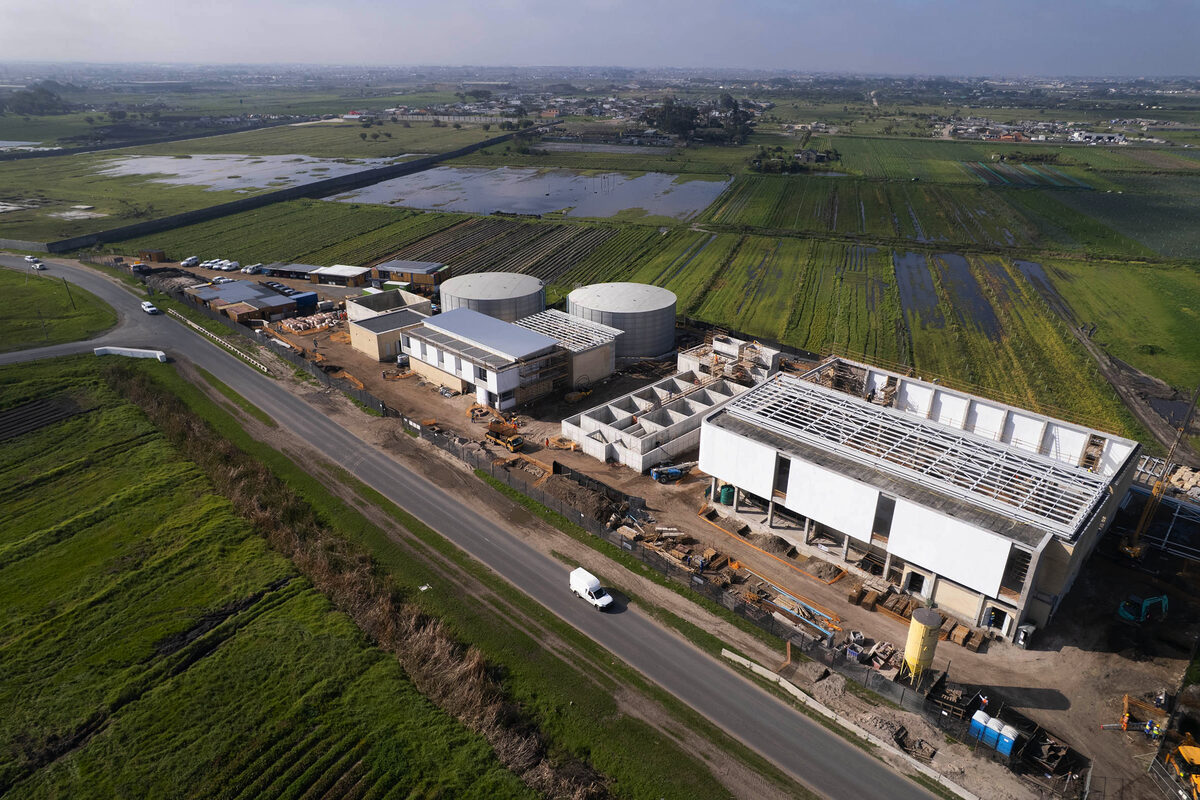
The City’s New Water Programme, focused on diverse water sources, is central to building a water-secure future.
It is expected to deliver a peak capacity of 300 million litres of additional water per day by 2036 through groundwater, surface water augmentation, reuse, desalination and nature-based solutions, resulting in roughly 100 million cubic metres of additional water per year.
Some projects already contribute to supply.
The Table Mountain Group Aquifer is operational, with production gradually increasing.
The Atlantis scheme has been expanded, although cable theft has affected output.
The Cape Flats Aquifer has 74 production boreholes completed and new treatment plants are underway at Strandfontein, Hanover Park and Mitchells Plain. The Berg River-Voëlvlei Augmentation Scheme is expected to provide about 40 million litres per day, with delivery anticipated in 2030.
The Faure New Water Scheme aims to deliver up to 70 million litres per day, with first water expected in 2031.
The planned Paarden Eiland desalination plant faces uncertainty following Transnet’s port development review, pushing expected delivery to 2036.
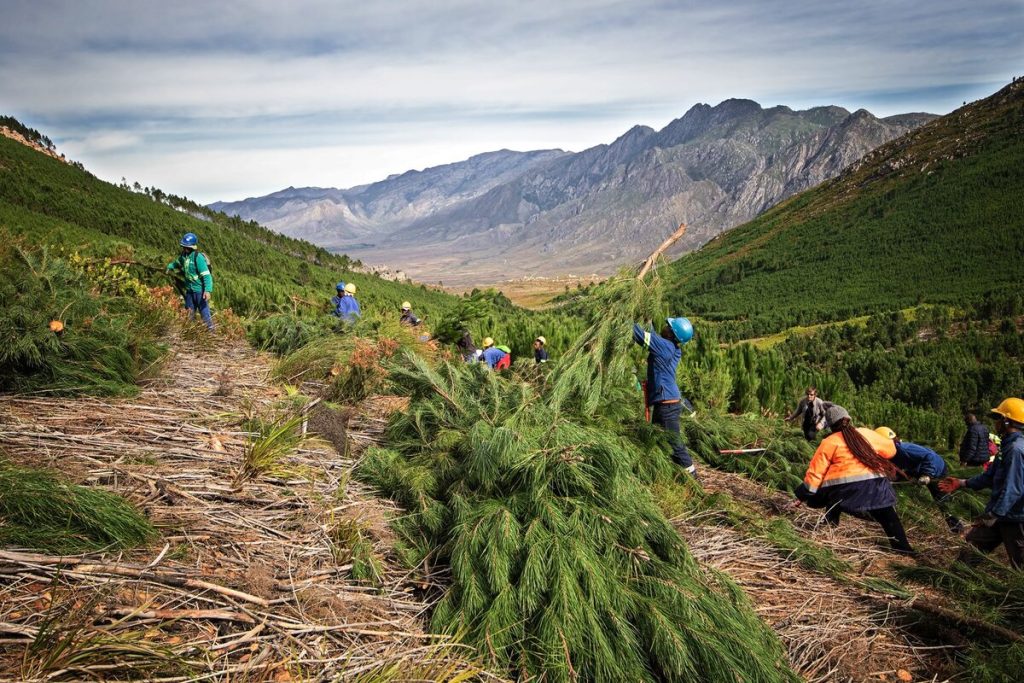
The Greater Cape Town Water Fund has cleared invasive alien plants since 2019, potentially making an additional 30 million litres per day available.
While supply remains stable, the City continues leak detection, pressure management, infrastructure replacement and improved metering to manage demand.
Record-breaking floods brought destruction
During the floods in May, Ceres recorded 507 mm of rain for the month, more than six times its long-term average and the highest amount since records began in 1955. More than 231 000 people were affected across the province and 22 890 houses were damaged.
The agricultural sector suffered losses exceeding R5.2 billion, whilst transport infrastructure damage reached just under R2 billion.
Less than a month later, the Klein Karoo and Garden Route were hit again by severe flooding.
Heavy rain and flooding earlier this year helped dams fill sooner than expected.
El Niño threatens drier summer
The South African Weather Service has warned that an El Niño weather pattern has developed and is expected to strengthen rapidly over the next few months, bringing a drier and warmer summer to most parts of the country.
Current predictions indicate the weather phenomenon will continue strengthening until early summer and persist at least until the end of the 2026/27 summer season.
El Niño occurs when sea surface temperatures in the central and eastern Pacific Ocean become warmer than average, influencing global weather patterns. It typically leads to reduced rainfall and higher temperatures in southern Africa.
ALSO READ: Western Cape dam levels show mixed fortunes amid erratic winter rainfall


You must be logged in to post a comment.