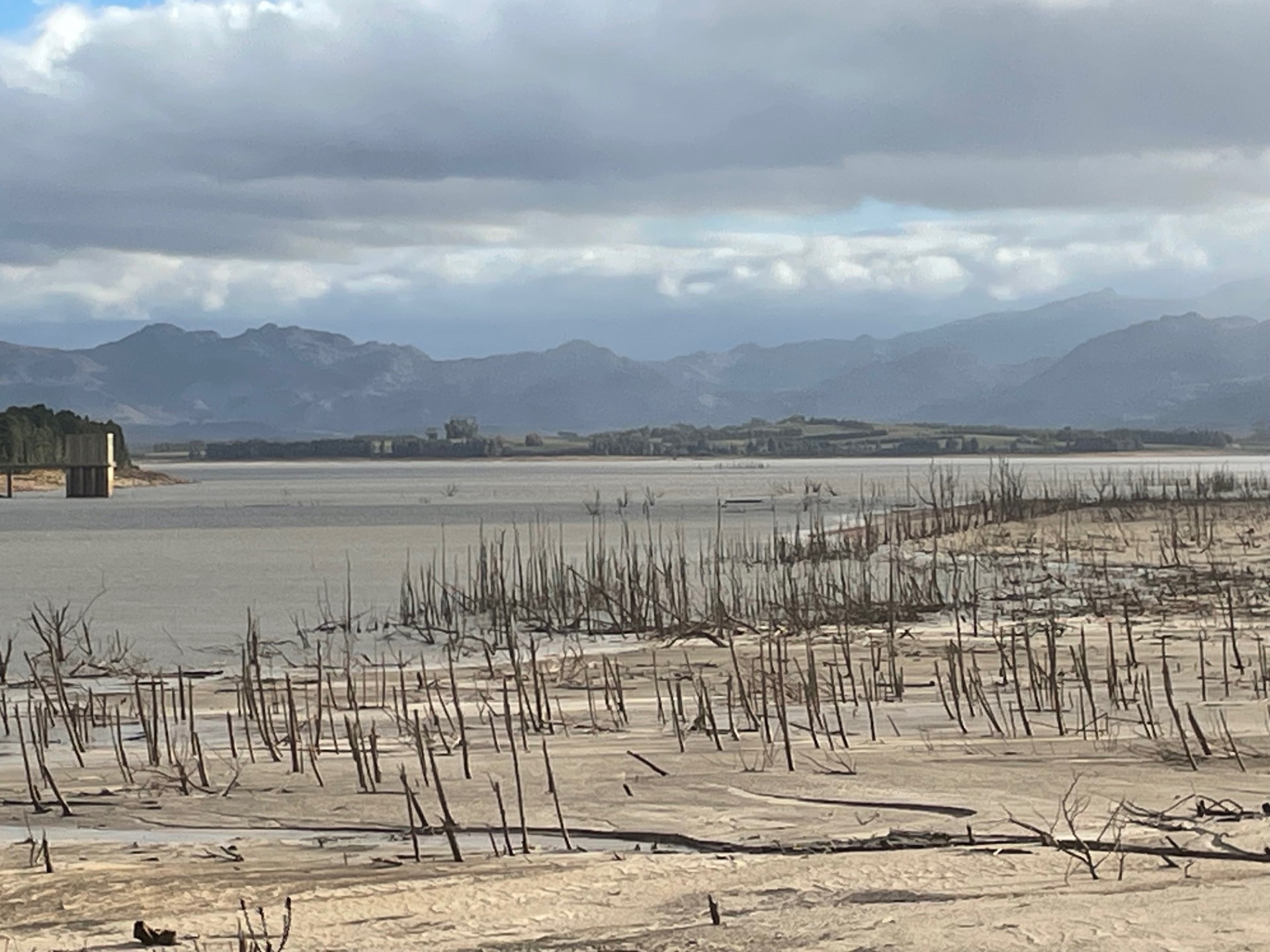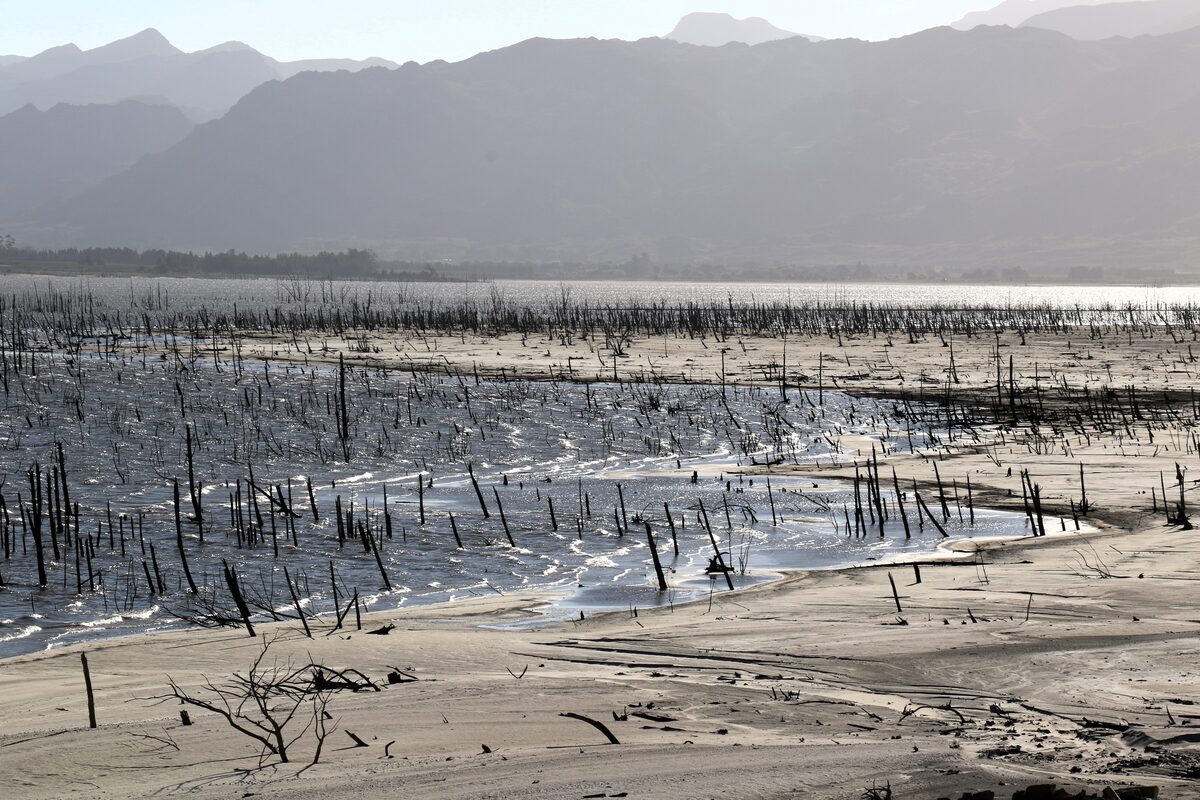
Various dam levels across the Western Cape have shown a worrying year-on-year decline as the province heads into what is expected to be a hotter and drier summer due to strengthening El Niño conditions.
The latest figures show the Western Cape’s overall dam storage at 81%, down from 84% at the same time last year. More concerning is the Cape Town water supply system, which has dropped to 76% compared to 92% in September last year, a decline of more than 15 percentage points. Cape Town’s supply system supplies water to the metro, the second largest metro in the country, and surrounding municipalities.
The data reveals that 17 dams and water systems across the province have recorded lower levels than last year, with some showing dramatic drops.
Major systems under pressure
The Berg River Catchment area has experienced the sharpest decline among major systems, falling from 98% to 76%, a drop of more than 22 percentage points. The Breede River Catchment is also down, from 84% to 76%.
Individual dams showing the most significant declines include Steenbras Lower, which has plummeted from 98% to just 48%, losing nearly half its capacity year-on-year. Voëlvlei Dam has dropped from 102% to 59%, a decline of more than 42 percentage points.
Theewaterskloof Dam, the largest in the Cape Town system with a capacity of 480 188 million litres, has fallen from 85% to 76%. The Berg River Dam sits at 94%, down from nearly 100% last year, while Wemmershoek has remained relatively stable at 89%.
Not all bad news
While many systems have declined, some dams in the Gouritz River Catchment have shown remarkable increases. The catchment as a whole has risen from 58% to 102%, benefiting from localised rainfall. Dams such as Gamkapoort, Prinsrivier and Leeu-Gamka have recorded substantial gains.
The Olifants/Doorn River Catchment has also shown a slight improvement, rising from 95% to 97%.
Dry summer months and El Niño threat
The decline in many dam systems comes after lower than usual winter rainfalls in key areas including Cape Town, the Overstrand and Winelands regions. July saw the lowest rainfall recorded at Cape Town International Airport since records began in 1958, with only 14.4mm recorded for the month, which should be one of the areas wettest months.
Adding to water security concerns, the South African Weather Service has warned that a strong El Niño pattern is expected to intensify during the coming months. This typically brings above-normal temperatures and reduced rainfall to the Western Cape.
The Western Cape government has specifically warned of higher temperatures, increased wildfire risk and added pressure on water resources due to El Niño. Premier Alan Winde urged agricultural stakeholders to prepare for a hotter summer ahead.
ALSO READ: El Niño: Western Cape outlines summer disaster readiness
Water restrictions under consideration
While no formal water restrictions have been announced for Cape Town, the City’s Water Restrictions Committee is considering precautionary measures. The City has stated that dam levels generally need to be at least 80% when the Department of Water and Sanitation conducts its annual operating analysis in November to avoid national restrictions.
The Department of Water and Sanitation has classified the Western Cape Water Supply System situation as “early drought caution”, noting that rainfall since May 2026 has been lower than expected and dam levels have increased more slowly than anticipated.
Cape Town experienced severe water shortages during the 2017-2018 drought when dam levels dropped below 30%, leading to strict restrictions and the threat of “Day Zero” when taps would be turned off. The current situation, while not yet critical, is being closely monitored by authorities who remain concerned about the combination of lower storage, uncertain rainfall and the predicted hot, dry summer ahead.
ALSO READ: Government pledges drought support as El Niño threatens summer rainfall