drought
drought
drought
-
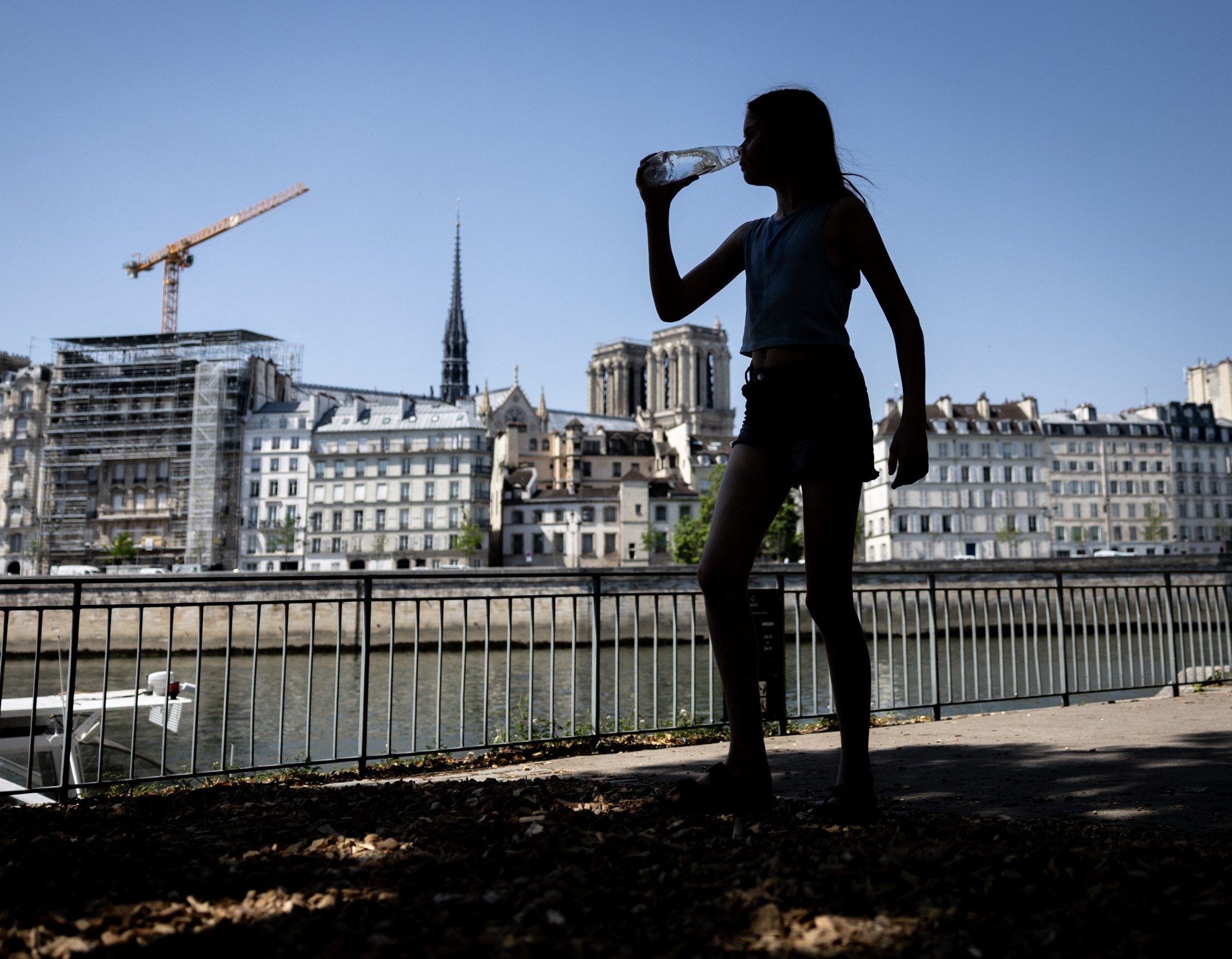
Record July heat affects regions home to 900 million people
Some 900 million people experienced record July heat in 2026 as temperature records fell across Africa, Central America and Europe.
-
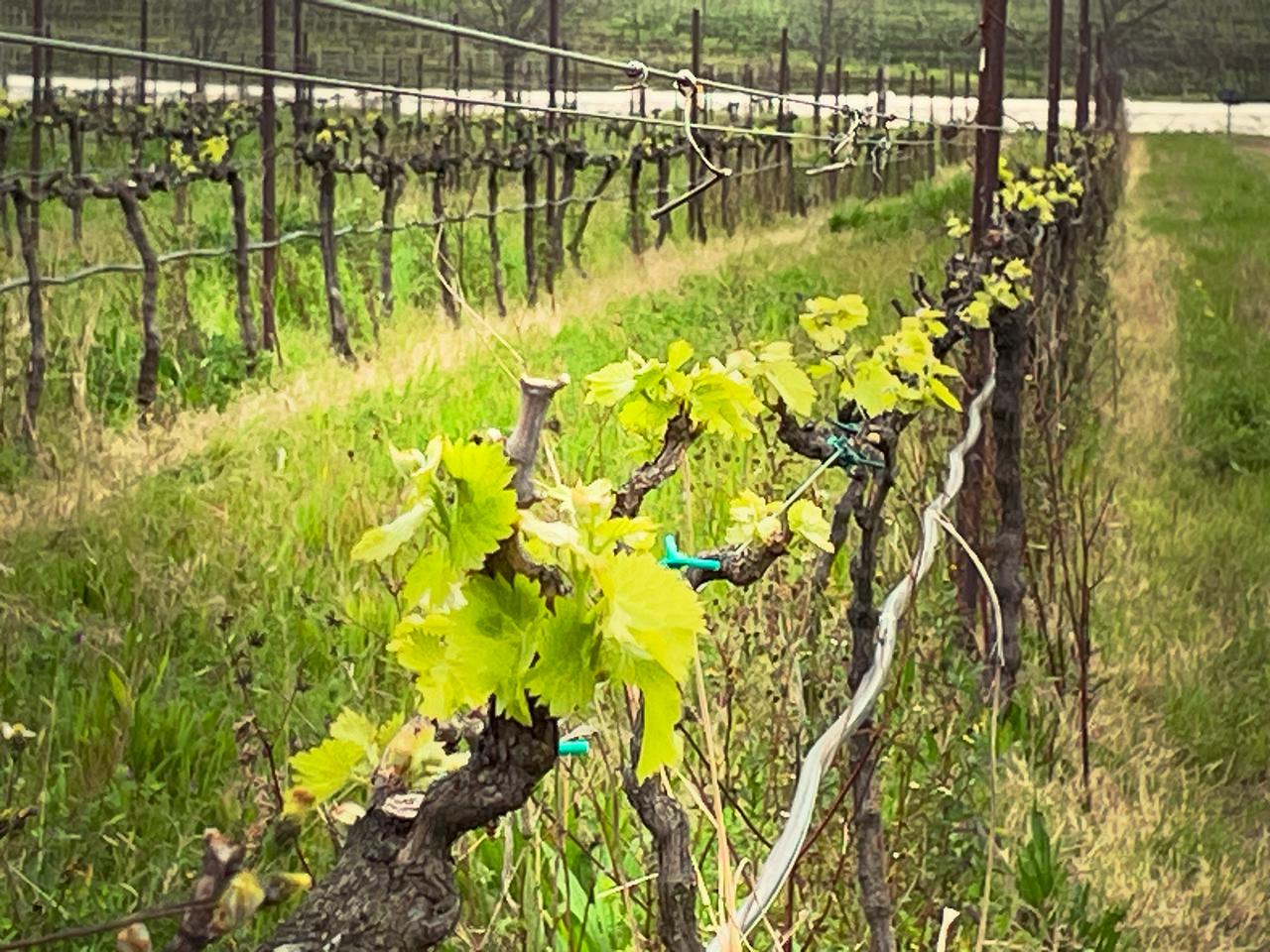
Western Cape dry winter raises water security concerns despite healthy dam levels
Western Cape dam levels appear healthy at 79,5% but underlying winter rainfall patterns reveal concerning drought conditions for agriculture and water security.
-
A Super El Niño is coming: 5 hard‑won lessons the world can learn from Africa
Climate prediction scientists announced in June 2026 that El Niño, a cycle that happens every two to seven years, had formed.
-

Devastating Cape storms cause rare surge in dam levels
Cape Town’s dam levels surged to 70.8% after rare May 2026 storms, ending early drought caution. Residents urged to keep saving water.
Source:

-
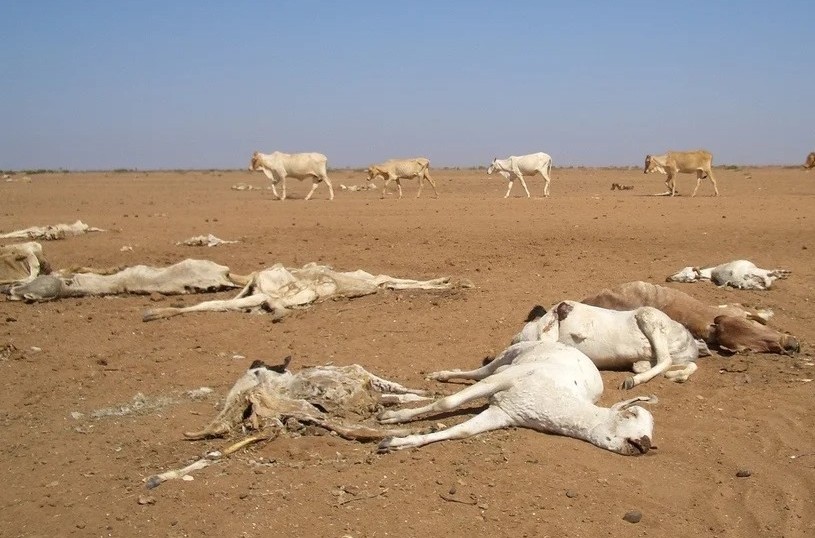
How a super El Niño could trigger global famine
Extreme heat and drought could damage harvests and worsen global food insecurity this summer.
-
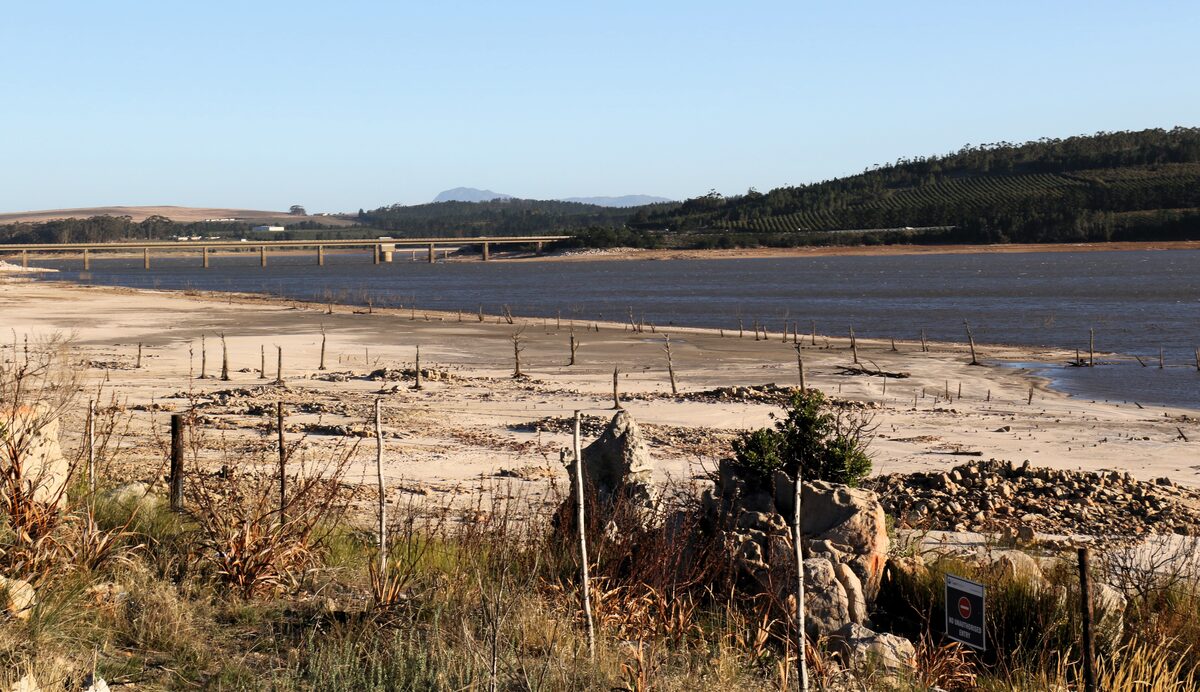
Western Cape dam levels remain worryingly low despite autumn rains
Despite recent rains, Western Cape water levels are critically low, prompting strict restrictions and urging conservation to prevent future shortages.
-
NMB water crisis: Dam levels remain below 30% usable as losses mount
Water levels in Nelson Mandela Bay remain critically low, with the Business Chamber warning urgent intervention is needed.
Source:

-

Cape Town groundwater levels in steady decline, UWC study finds
A University of the Western Cape study reveals significant groundwater decline in Cape Town, with 80% of boreholes at risk due to human activity.
-
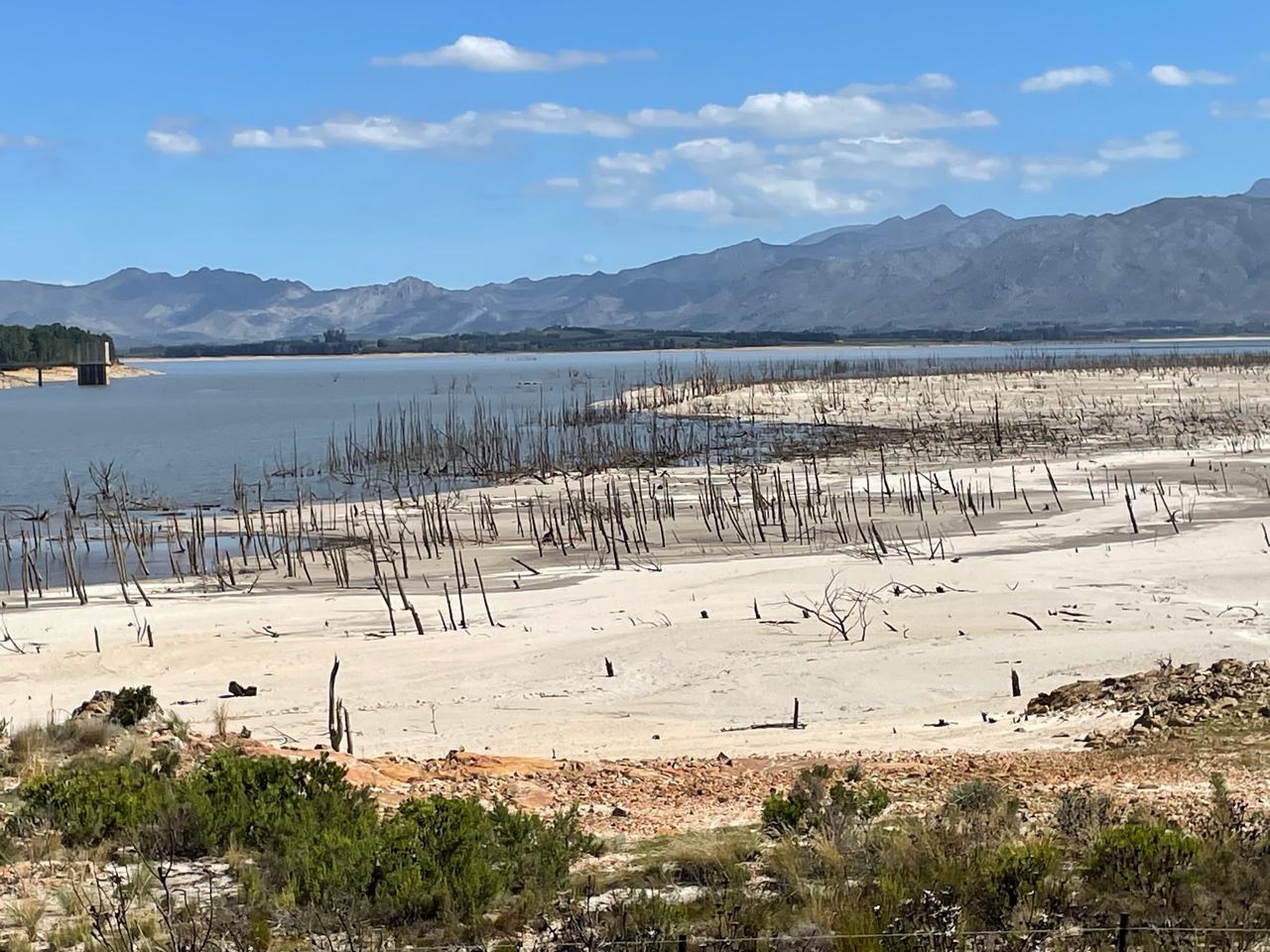
Western Cape dam levels continue to fall as water restrictions loom
Western Cape dam levels have dropped significantly due to drought, prompting municipalities to implement water-saving measures and warn of restrictions.
-
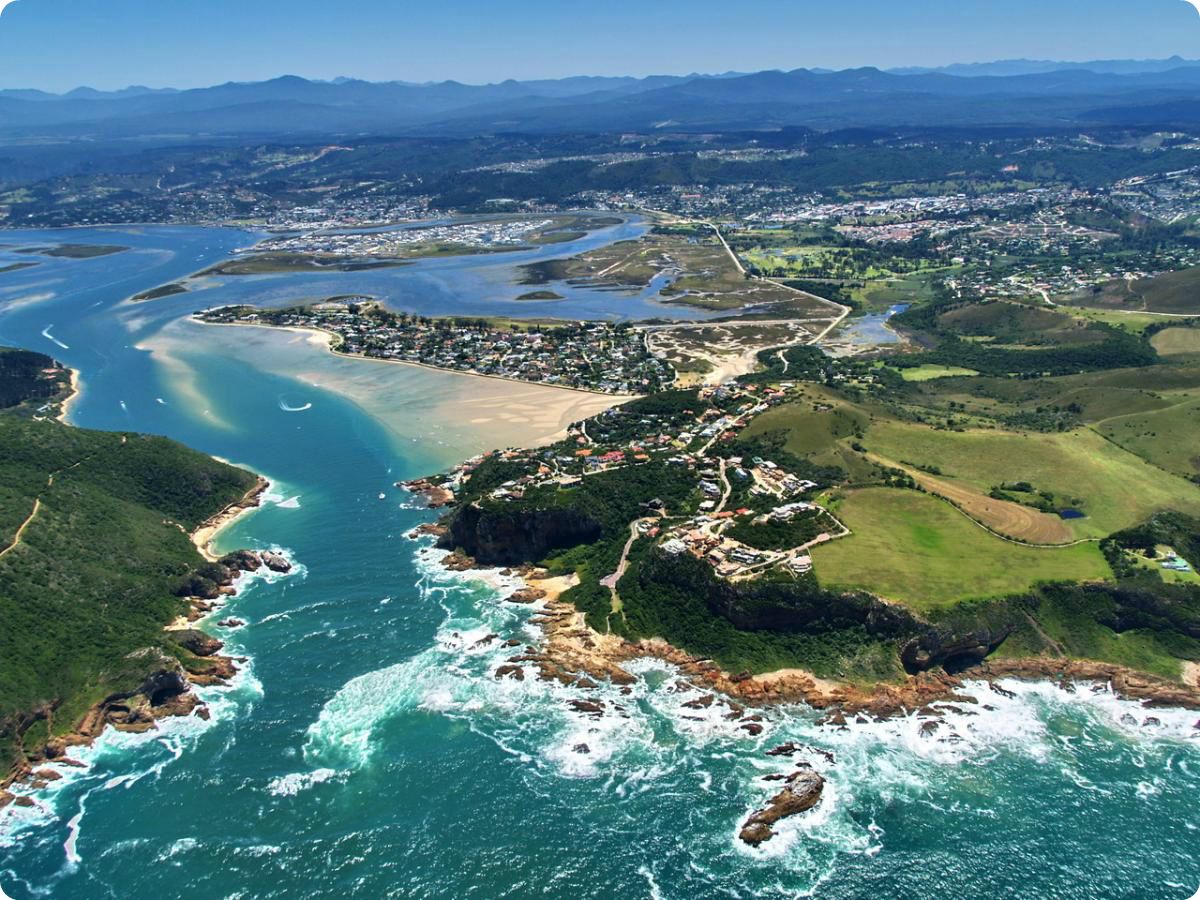
Knysna receives R2,5 million emergency funding as water crisis deepens
The Western Cape Government has authorised R2,5 million in emergency funding to address critical deficiencies in Knysna’s water infrastructure as the town continues to grapple with water security challenges.