

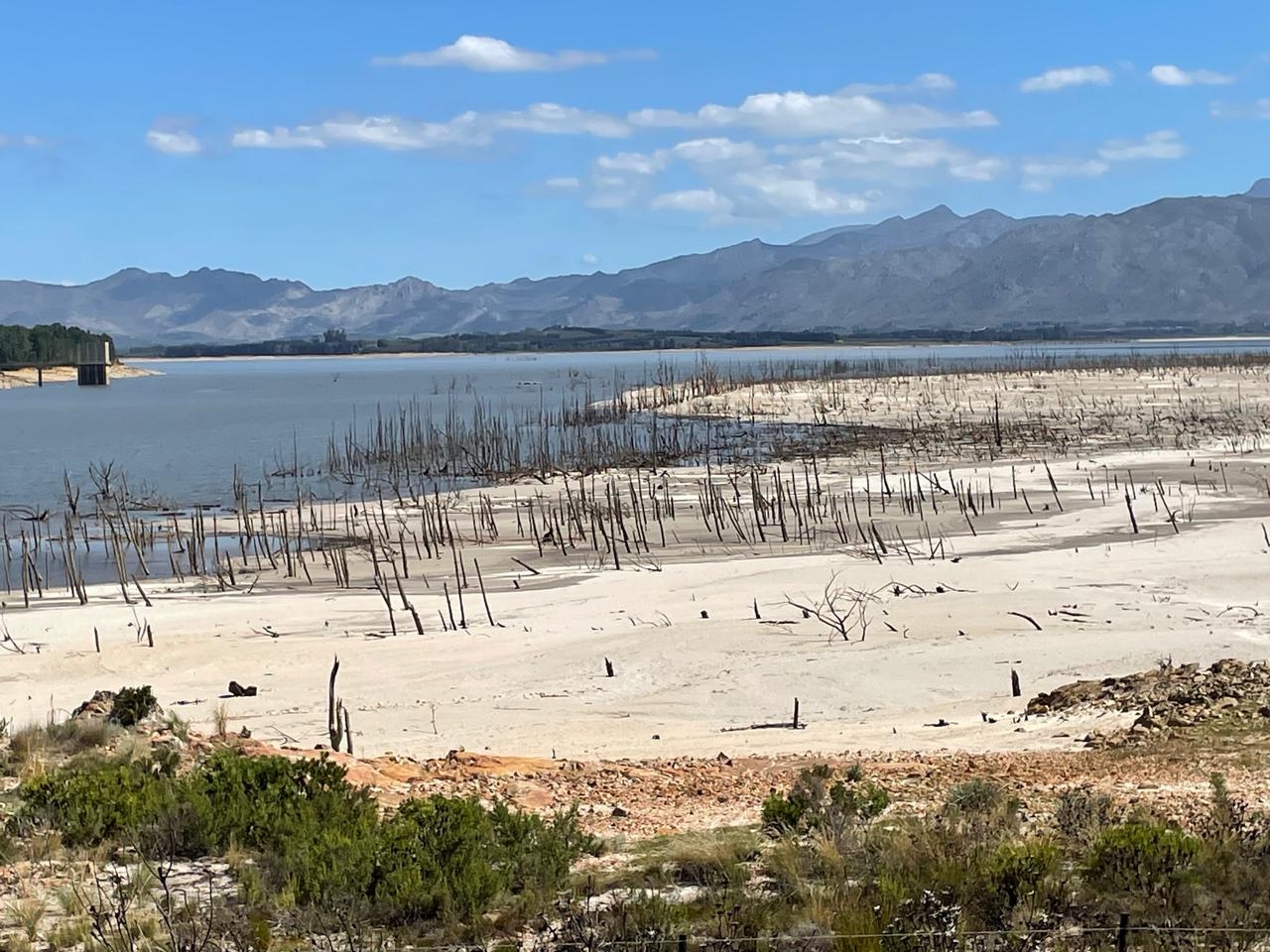
The Western Cape’s dam levels have declined to 42,7%, down from 58,3% at the same time last year, as the province grapples with ongoing drought conditions and below-average rainfall.
Data from 7 April shows the Cape Town water system, which supplies the metro area, is at 45,1% capacity, down from 47,1% the previous week and significantly lower than the 63% recorded in April 2025.
Theewaterskloof Dam, the province’s largest dam with a capacity of 479,26 million cubic metres, has dropped to 44,3%, compared to 64% last year. Other key dams in the Cape Town system are also showing concerning declines, with Berg River Dam at 39,6%, Voëlvlei at 50,9%, Wemmershoek at 49%, Steenbras Upper at 57,2%, and Steenbras Lower at 35,8%.
The Olifants/Doorn River catchment area is experiencing the most severe pressure, with dam levels at just 21,3%, down from 34,9% last year. The Breede River catchment sits at 41,1%, while the Gouritz River catchment, which supplies the Garden Route, is at 52,7%.
In Cape Town, water consumption remains above the city’s target of 975 million litres per day, with current usage at approximately one billion litres daily. City officials have warned that formal water restrictions may be proposed if consumption remains high and dam levels continue to fall, particularly as winter rainfall is forecast to be below average.
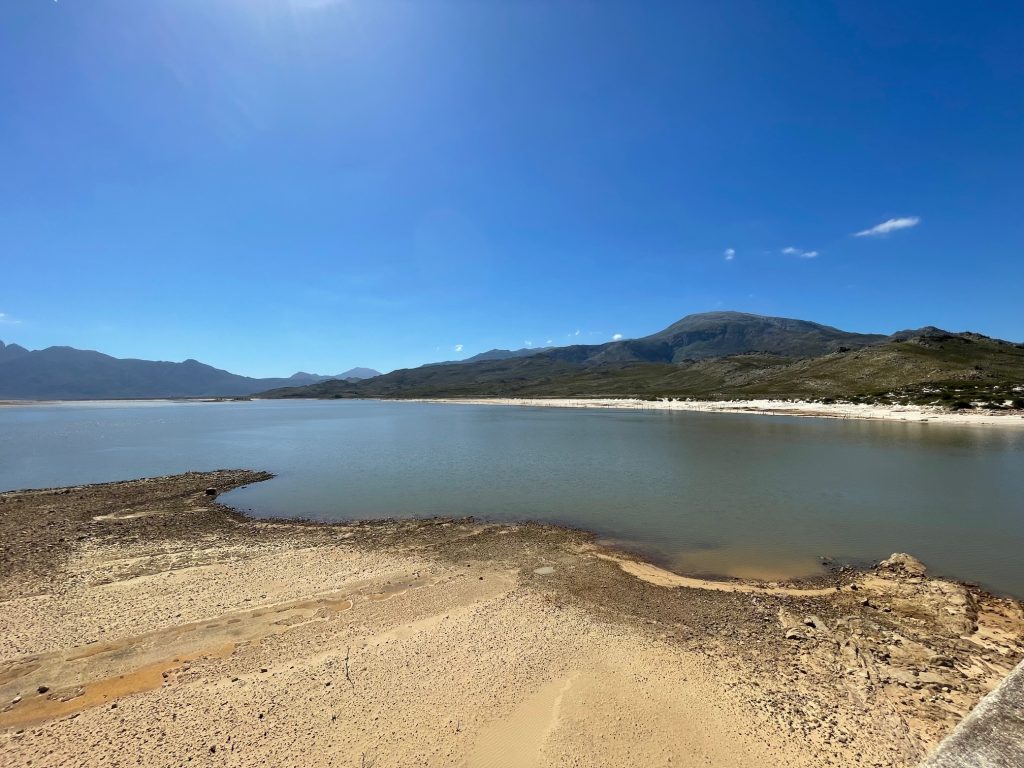
Several municipalities across the province have already implemented water-saving measures. Beaufort West escalated to phase four water restrictions from 1 March, with households using more than 10 kilolitres per month facing a 200% surcharge. The town’s Gamka Dam was reported at approximately 14% in February, with about 70% of the town’s supply now coming from boreholes.
ALSO READ: Knysna receives R2,5 million emergency funding as water crisis deepens
Stellenbosch Municipality has appealed to residents to reduce water consumption by 15%, with its Idas Valley Dam at 30% capacity. The municipality has activated augmentation from Kleinplasie and brought several boreholes online.
Laingsburg has installed three additional boreholes and implemented night-time water throttling, achieving a 25% reduction in use after borehole water depths dropped from 14 metres to 30 metres.
ALSO READ: Western Cape dam levels drop below critical 50% mark
The most severe crisis has hit Knysna, where the municipality declared a local disaster in January after the Akkerkloof Dam plummeted to 15% capacity. Officials warned the town was days away from taps running dry, prompting emergency funding and significantly stricter water restrictions. By March, the dam had recovered to approximately 29%, though supplies remain strained.
The Western Cape drought was classified as a national disaster in February, enabling emergency funding and faster procurement of alternative water sources across affected municipalities.
Provincial authorities are urging residents to reduce water consumption immediately and are monitoring dam levels closely as the province heads into winter, when most rainfall typically occurs.
ALSO READ: Western Cape municipalities face mounting water pressure as drought persists


You must be logged in to post a comment.