

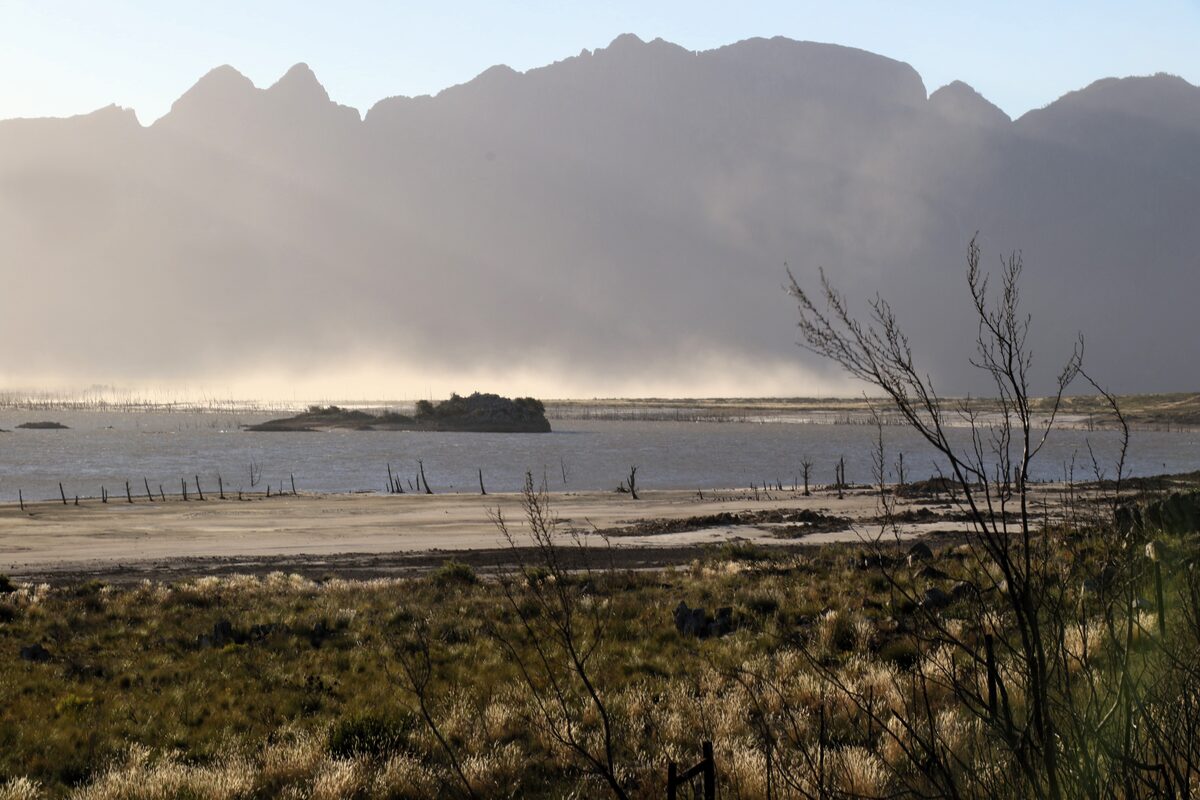
Dam levels across the Western Cape have declined significantly to 48.8%, sparking concern from water authorities as the province faces below-average rainfall and persistent dry conditions.
Sharp decline from last year’s levels
Ntombizanele Bila-Mupariwa, provincial head for the Western Cape Department of Water and Sanitation, announced the concerning figures during a media briefing in Bellville on Tuesday 24 March.
“The province’s water supply is currently at 48.85%, a notable decline from the 65.64% recorded the same time last year,” said Bila-Mupariwa.
Major dams under pressure
The latest hydrological report shows a notable decrease from the 65.6% recorded during the same period last year, prompting the provincial Department of Water and Sanitation to intensify monitoring efforts.
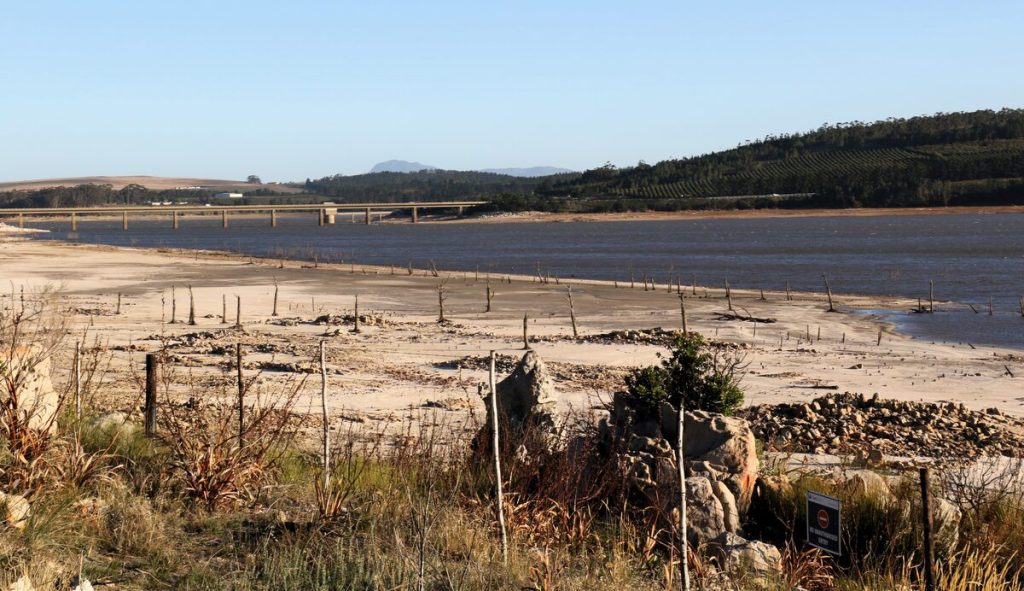
The Theewaterskloof Dam, which accounts for 51% of the province’s water supply, has experienced an 18% decline and now sits at 47.4%, compared to 66.37% during the same period last year.
Dam levels in the Gouritz River catchment area, which includes the Little Karoo, Central Karoo and coastal areas, are currently at just over 51%.
Knysna Municipality has been hardest hit, with the area’s water supply system facing critical challenges due to severe localised drought affecting the Garden Route belt. The Akkerkloof Dam in the area is sitting at around 29%.
Dry conditions expected to continue
The South African Weather Service predicts that dry conditions are likely to persist throughout the coming winter season, with lower-than-normal rainfall contributing to the decline in dam levels across the province.
High water consumption, leaks, and ageing infrastructure are also contributing factors to the declining dam levels, alongside the below-average rainfall that has limited inflows into dams and rivers.
Despite the concerning figures, Bila-Mupariwa said there is no need to panic at this stage, and no “Day Zero” scenario is expected. The Western Cape has at least six months of water remaining in its dams before depletion.
The department is particularly worried about the Garden Route region, which has experienced very low rainfall. While the broader Western Cape water supply system is also a concern, it has not yet reached a critical state.
Response and monitoring
The department has scheduled an additional meeting for the end of March to assess the situation and determine whether water restrictions will be necessary. Officials usually meet once a year in November, but the concerning dam levels have prompted this extraordinary session.
Bila-Mupariwa noted that municipalities can decide to introduce water restrictions when they deem it necessary. The City of Cape Town has already warned that it may have to implement water restrictions soon.
READ ALSO: Cape Town not out of drought danger
Work is already underway to stabilise the water supply in Knysna, including the installation of boreholes and pumping water from alternative sources to support the Akkerkloof Dam. A water specialist has been appointed to assist the municipality in addressing water shortages. Bila-Mupariwa said the Department of Water and Sanitation is supporting the Knysna Municipality in terms of groundwater to augment the current water security.
Water restrictions
Knysna Municipal Council declared the greater Knysna municipal area as a local disaster area in terms of the Disaster Management Act on 16 January. According to a Facebook post by Knysna municipality on 24 March, the municipality is working closely with provincial and national government to respond to the current water disaster.
The municipality has warned residents that Day Zero is approaching and water shut-offs are imminent. Pressure will be reduced and taps may run dry for hours or days as the water reticulation system will be shut down to avoid total collapse.
Should Day Zero arrive, residents will have to queue for an allocated 25 litres per person per day, as per the national standard. This allocation must cover drinking, washing and all other water needs.
Level 4 water restrictions are in effect in Knysna, with every household required to use no more than 50 litres per person per day. The municipality has warned that inspectors are active and excessive or illegal users will face punitive tariffs, disconnection and will have to collect water rations from specified points.
Officials have warned that Day Zero will have an immense impact on home and work life, disrupting nearly every aspect of daily life in the town.
The department’s monitoring system will continue to track dam levels closely, with decisions on potential water restrictions to be communicated following the end-of-March assessment.



You must be logged in to post a comment.