


CAPE TOWN – Despite the fact that Western Cape dam levels are dropping fast and that many areas have already been struck with heatwaves and a dry summer is expected, the Department of Water and Sanitation (DWS) has decided not to implement water restrictions across the Western Cape Water Supply System.
The decision, announced on Monday, follows the conclusion of the Annual Operating Analysis meeting held on 2 December. Ntombizanele Bila-Mupariwa, DWS Western Cape Provincial Head, confirmed that no water restrictions will be implemented for the hydrological year 2025/26 based on the meeting’s recommendations.
However, the province’s water situation remains precarious. The latest hydrological report published on 8 December shows the Western Cape’s combined dam levels have dropped to 68.70%, down from 71.22% the previous week and significantly lower than the 62% recorded during the same period last year.
The declining storage capacity has raised particular concerns for the upcoming peak holiday season, with water security threats looming over popular Garden Route destinations including George, Knysna, and Bitou in the Garden Route District. These areas face increased pressure as tourist numbers traditionally surge during the December holidays.
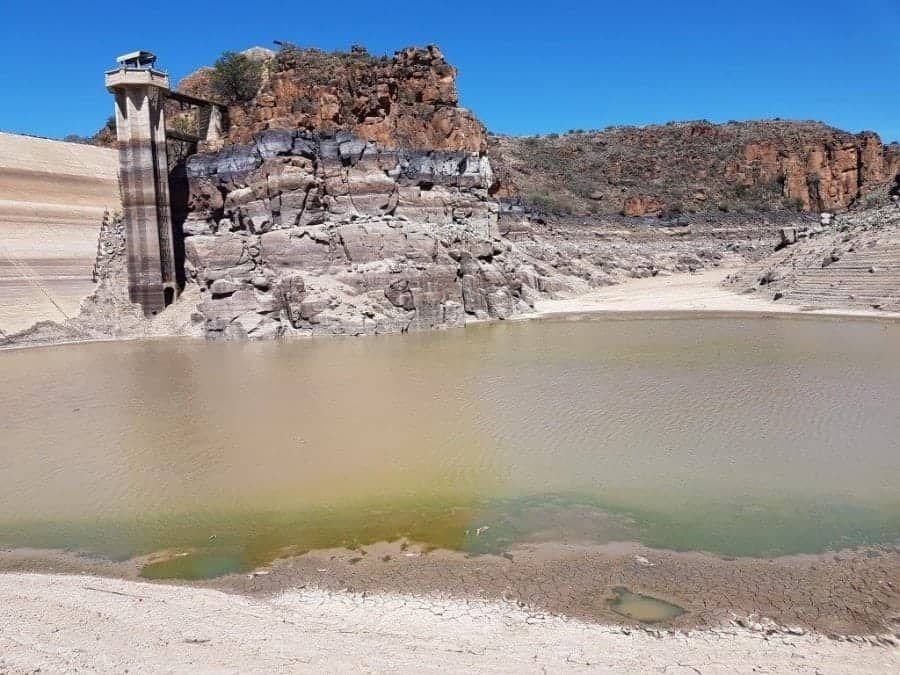
Beaufort West Local Municipality presents another area of significant concern, as it relies heavily on groundwater resources. The Gamka Dam, which forms part of the municipality’s water supply mix, has fallen below the critical 25% threshold. Similarly, Swellendam Local Municipality faces dwindling water security at what officials describe as “a notable rate.”
In response to these localised challenges, several municipalities have proactively implemented their own water restrictions to manage high consumption levels. Beaufort West Municipality, Langeberg Municipality, and George Municipality are among those that have introduced measures to curb water usage in their respective areas.
Despite the favourable storage outlook that influenced the provincial decision, the Department emphasises that the Western Cape Water Supply System remains highly vulnerable to climate variability. Officials cite concerns about prolonged dry spells, altered rainfall patterns, intensified storm events, system losses, and inefficient water use practices as ongoing threats to the region’s water security.
The Department has issued stern reminders to all water users that no water may be extracted from any water resource without proper authorisation under the National Water Act of 1998. Additionally, all authorised water users must install and maintain functional water measuring devices in compliance with Government Notice No. 41381 issued in January 2018.
ALSO READ: Western Cape dam levels continue rapid decline
“We are calling on all water users, particularly high-end consumers, to use water responsibly,” said Bila-Mupariwa. The Department’s Western Cape Provincial office, working alongside provincial government and other water management bodies, will continue monitoring the province’s water security situation and implement appropriate measures as needed.
The decision not to impose restrictions system-wide reflects a delicate balance between maintaining water access and preparing for potential future shortages. As the province heads into what meteorologists predict will be a challenging summer season, the emphasis remains firmly on voluntary conservation efforts and responsible usage patterns.
The Department, together with other spheres of government, continues to closely monitor the evolving situation while encouraging all residents and businesses to adopt responsible water consumption practices during the critical summer months ahead.



You must be logged in to post a comment.