

GQEBERHA – While passengers watch the departure board and pilots prepare for take-off, another set of eyes is scanning the runway — looking for birds, snakes and anything else that could wander into the path of an aircraft.
For Senior Wildlife Officer at Chief Dawid Stuurman International Airport (CDSIA), Salinda Xasa, it is a daily balancing act between protecting animals and keeping passengers and aircraft safe.
Her working day starts at 07:30 and only ends at 19:30.
“On a regular day I get to work and do a runway and wildlife control inspection before landing and departing air traffic,” Xasa explained.
She then checks the occurrence book for any bird-strike incidents reported during the previous night before getting on with the day’s wildlife control duties.
Keeping wildlife off the runway
Once a week, Xasa conducts a bird count around the airport’s perimeter fence, runways and taxiways, recording the species spotted, their numbers, age and activity.
The information contributes to trend data that helps the airport understand and manage its wildlife risks. Her job also takes her into airside safety meetings, stakeholder engagements and bird and wildlife committee meetings, while some days involve responding to calls about animals such as dogs, wild cats and snakes.
But whatever else is on her schedule, one task is guaranteed. “I guarantee you that you will see me doing a wildlife control inspection every day when I am on duty,” she said.
And the wildlife she encounters is not always harmless or easy to move along.
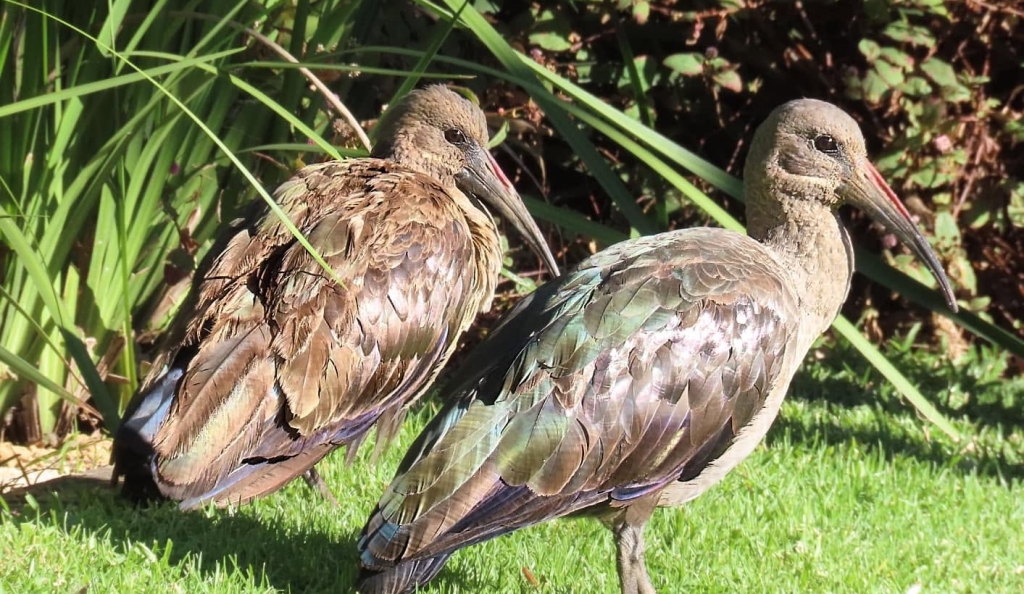
Hadeda ibises, Egyptian geese, black-headed herons and pied crows are among the birds she encounters regularly, while summer brings large numbers of barn swallows to the taxiways and runways.
Tackling birds, snakes and other visitors
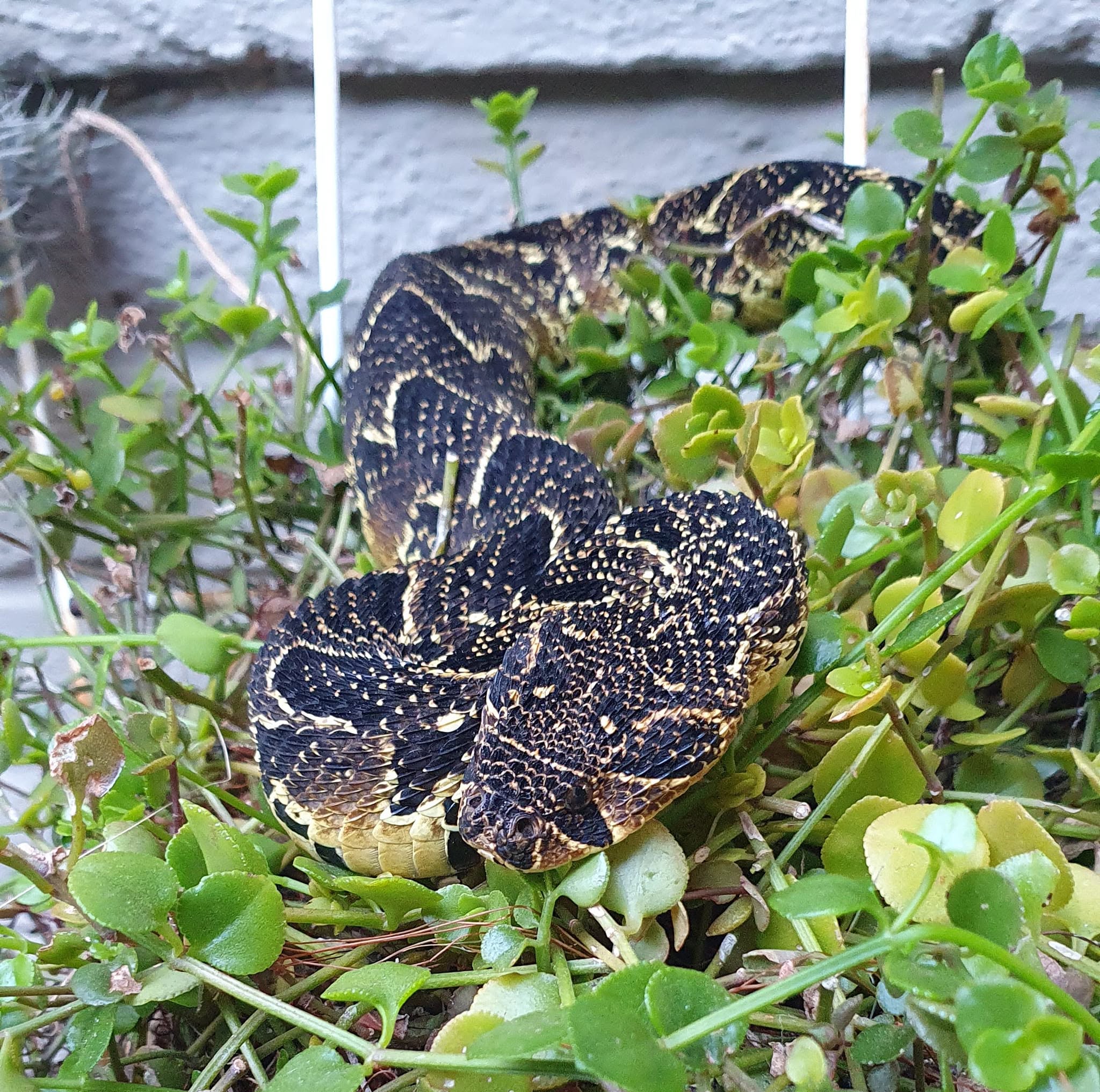
Rainy weather can also bring gulls onto the airfield, while puff adders — the most common snake she encounters at CDSIA — can sometimes be seen crossing the runway.
Birds such as hadedas, geese, crows and herons are considered high-risk species because their size means a bird strike can cause significant damage to an aircraft.
When birds gather on the runway, Xasa uses methods such as sirens, bird screamers and bangers to safely move them away.
“On a sunny day, I also respond to puff adders spotted crossing the runway from North to the South of the airfield,” she said.
The snakes are captured using specialised snake-handling equipment and relocated further away from the runways within the airport airfield, in accordance with company policy.
“No wildlife is harmed in all these activities,” Xasa said.
Dogs that enter the airside area are also safely captured and released through designated gates, while devices such as Eagle’s Eye are used at some airside buildings to deter birds.
One particularly challenging day came during a rainy winter morning when approximately 40 gulls and nearly 20 pied crows were gathered from the runway threshold to the touchdown zone.
Xasa repeatedly chased the birds away and used a bird banger to scare them off, only for them to return as the rain continued.
Despite the stressful conditions, there was no bird strike reported that day.
From unexpected encounters to a career
Perhaps the most unusual visitor she has encountered, however, was not a bird at all.
During wildfires in June 2019, Xasa spotted a rock monitor lizard (Varanus albiguralis) crossing the runway.
“It was such an unexpected animal; everybody was shocked,” she recalled.
The team searched for the lizard afterwards but never saw it again.
Xasa has spent more than seven years working in aviation wildlife management, a career she never expected to pursue.

Gqeberha. PHOTO: SUPPLIED
She says working for Airports Company South Africa (ACSA) has been one of the most significant parts of her professional journey.
“I had never imagined I would work at an airport, let alone do something I am passionate about,” she said.
“I always thought I would work in a nature reserve. This has been an experience.”
Her work has also been recognised through six consecutive years of zero audit findings from the Civil Aviation Authority.
For Xasa, the achievement reflects not only her own work, but the contribution of the entire Bird and Wildlife unit and the wider airport team.
She credits the auditors for their willingness to share knowledge and offer constructive advice, while emphasising the importance of being willing to learn.
“What you have been advised to do or apply in your fieldwork — implement, document and repeat until you get the preferred results,” she said.
For young women considering careers in aviation, wildlife management or conservation, Xasa’s message is simple: go for it.
Her own journey began with advice from her university Ecology professor, who encouraged students to volunteer at nearby nature reserves to gain experience.
“I took the advice and ran with it. It has brought me here, to this moment,” she said.
“You can do it too; more girls are needed in this industry.”
And for the girl from Ngcobo who once dreamed of working in a nature reserve, the airport has become an unexpected place to build a career doing what she loves.
“If you put your heart and mind to it, you can be it,” Xasa said.
“Study hard, and the world is yours.”
ALSO READ: Major R4 billion airport upgrade under way in Gqeberha




You must be logged in to post a comment.