The United Nations weather agency warned on Thursday that El Niño will intensify further before reaching its peak in December, potentially becoming one of the strongest events recorded since at least 1950.
The World Meteorological Organization (WMO) said the naturally occurring weather phenomenon will bring above-average temperatures to much of the globe while shifting rainfall patterns and increasing the risk of droughts and floods across different regions.
El Niño warms surface temperatures in the central and eastern equatorial Pacific Ocean, bringing worldwide changes in winds, pressure and rainfall patterns. The phenomenon typically occurs every two to seven years and lasts around nine to 12 months.
Sea temperatures heading for record levels
The WMO’s monthly Global Seasonal Climate Update revealed that sea surface temperatures in the central and eastern tropical Pacific are forecast to reach record levels during October, November and December 2026.
The forecast, based on consensus across 13 leading national and international meteorological centres, shows the temperature anomaly could hit approximately 3.7C above normal during this period. This would eclipse the previous record of 2.6C set in 2015-2016.
The index measuring sea surface temperature anomalies across the central-eastern equatorial Pacific increased from 1.6C above normal in June to 2.5C above normal in August.
Event strengthening rapidly
WMO chief Celeste Saulo said El Niño is firmly established and strengthening rapidly, with forecasts indicating a near-100% likelihood that it will persist through February 2027.
“El Niño does not add new heat to the planet, but releases heat being stored in the ocean,” Saulo explained. “The ocean it’s drawing from is the warmest we’ve ever measured it. There is simply more heat available to release.”
ALSO READ: Western Cape braces for eight-month fire season as severe El Niño looms
The phenomenon’s impact will compound the effects of man-made climate change, driving weather patterns and affecting economies, ecosystems and communities across the globe.
Temperature spike expected
The last El Niño contributed to making 2023 the second-hottest year on record and 2024 the all-time high at around 1.55C above the 1850-1900 pre-industrial average.
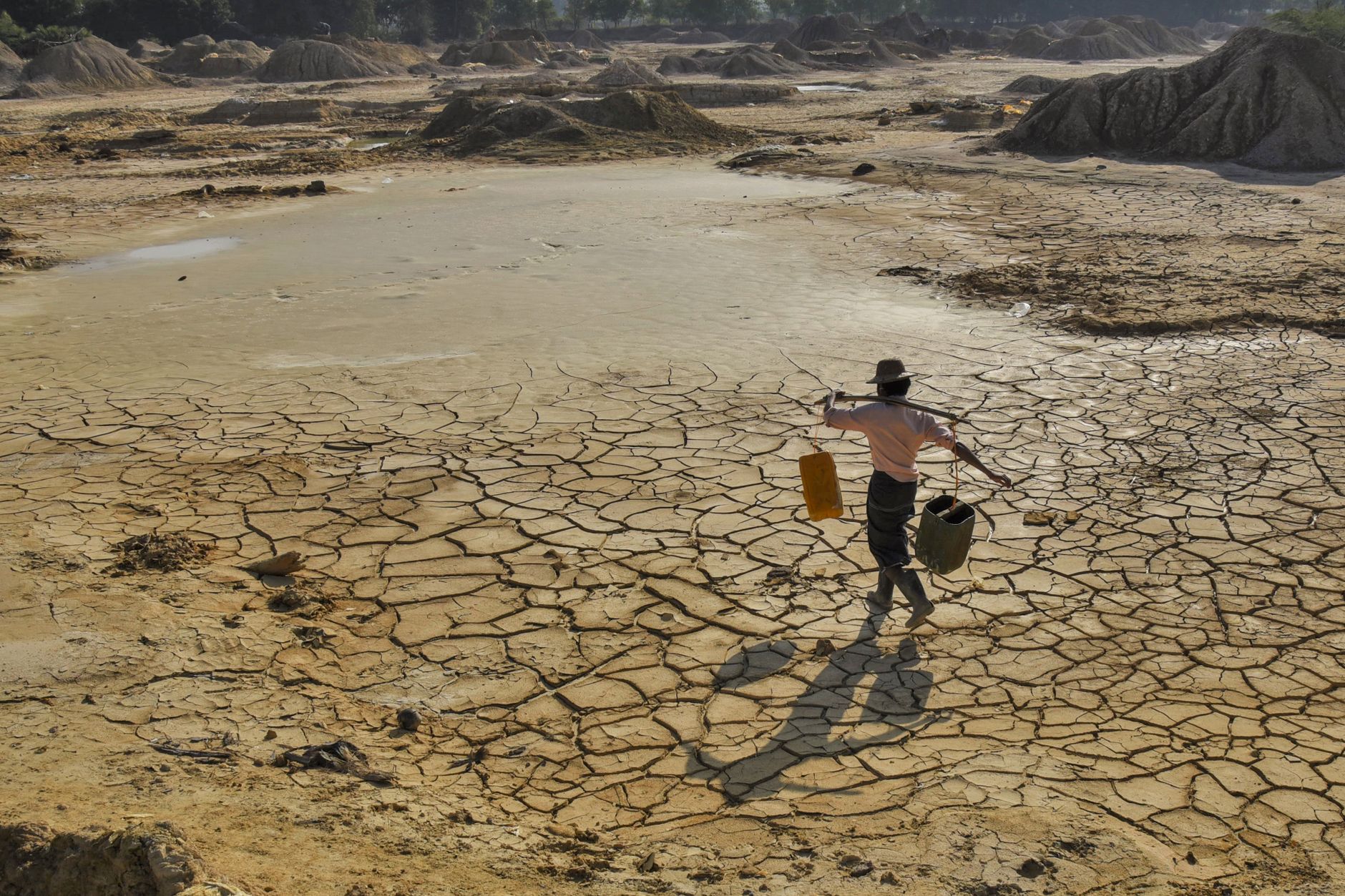
While El Niño usually peaks between November and February, the resulting spike in temperatures typically comes later. This current event is already hitting some regions hard, including Central America, where animals and crops are dying from drought.
Conditions normally oscillate between El Niño and its opposite La Niña, with neutral conditions in between.
ALSO READ: World braces for potentially strongest El Niño on record as ocean temperatures soar