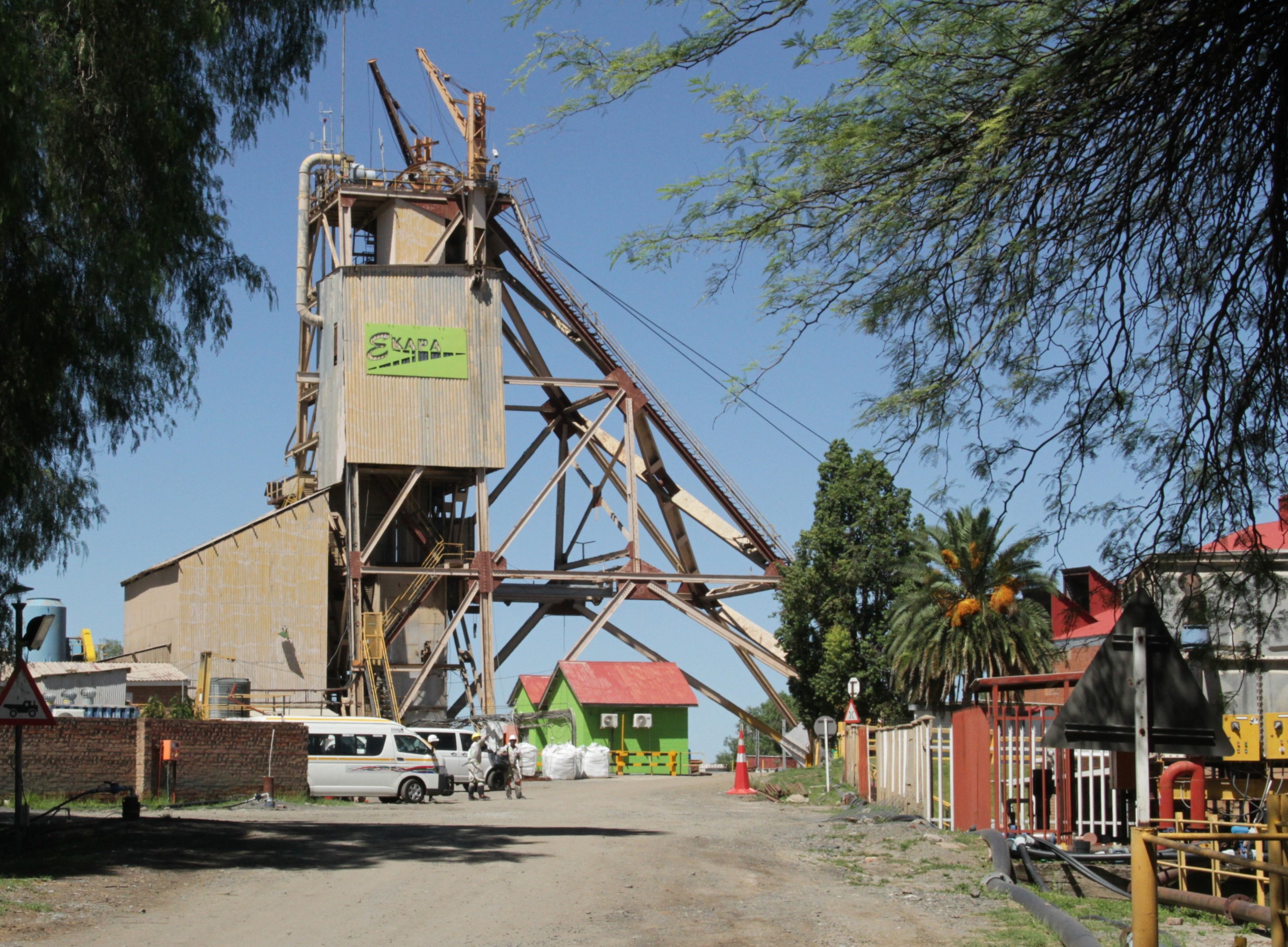

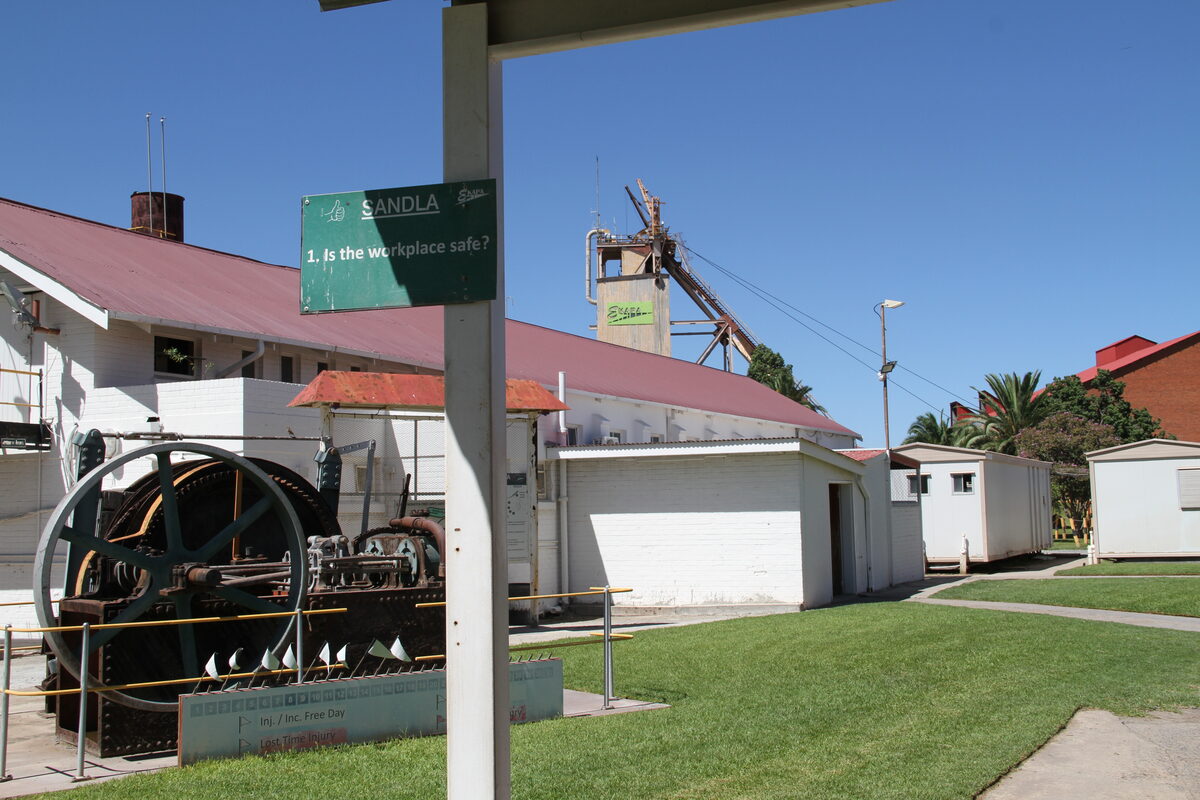
More than a week after Eskom’s scheduled disconnection date for Ekapa Resources came and went, uncertainty persists over the mine’s electricity supply, with the Joint Provisional Liquidators (JPLs) warning that a cut could still plunge Kimberley’s 158-year-old underground workings into crisis within 48 hours.
Eskom scheduled the disconnection for 4 August over outstanding electricity payments linked to the company’s financial distress. As of the JPLs’ media statement on 5 August, the cut had not yet been implemented – but no resolution has been confirmed, leaving the mine’s fate tied to a power account that could be switched off at any time.
Eskom in its response says it is open to considering proposals from interested and affected parties regarding outstanding payments and the continuity of supply, noting that any such proposals would be reviewed in consultation with its legal team.
At stake are the boreholes and shaft pumps that keep the underground workings dry. Should power be lost, the JPLs warn, 114 boreholes and critical shaft pumps would stop operating, triggering flooding that would put infrastructure and equipment beyond recovery.
The complication lies in a legal split between two related companies. Ekapa Minerals, responsible for surface operations and employees, was placed under business rescue, while Ekapa Resources, which holds the underground mining rights and assets, remains in provisional liquidation. The Eskom account sits with Ekapa Minerals, even though the power it pays for is what protects Ekapa Resources’ underground workings – leaving the two entities operationally interdependent despite their separate legal status.
The crisis traces back to a mud rush at the Joint Shaft on 17 February, which trapped five miners and halted production, followed by provisional liquidation on 3 March once the companies could not meet their obligations.
ALSO READ: High Court halts Ekapa’s liquidation in favour of Numsa’s business rescue bid
The National Union of Metalworkers of South Africa (Numsa), representing 369 employees, then applied for business rescue, arguing the mine retained viable infrastructure and that recoverable receivables could help restart operations and save around 500 jobs. That application suspended a planned asset auction the JPLs say was meant to fund care and maintenance, leaving them responsible for preserving the mine without the means to pay for it.
Acting Judge T. Tyuthuza ruled on 28 July that business rescue offered a “final opportunity” to protect Kimberley’s economic and social interests, but the JPLs maintain the proposed rescue plan was not commercially viable, given weak diamond prices and the high electricity cost of processing low-grade surface tailings.
Beyond the immediate risk to mining infrastructure – estimated at about R200 million in plant and machinery, with replacement costs amounting to up to R2 billion – the JPLs warn of longer-term environmental fallout. Oil, diesel, copper and plastics left underground could be inundated if flooding occurs, risking groundwater contamination in an area already grappling with salinity, with the Wesselton area expected to be affected first.
“We do not want to be the executioners of history,” the JPLs said, calling for urgent, coordinated action between government departments, Eskom, trade unions, business rescue practitioners and liquidators to secure uninterrupted power and fund an orderly preservation plan.
Sebata Zondo, Eskom spokesperson, confirmed that the power remained on following a notification of a change in the mine’s solvency status effective 27 July.
Addressing concerns about environmental and safety risks, particularly underground flooding if power to the pumps is cut, Eskom emphasised that it dealt exclusively with the contractually bound account holder.
According to the utility, the liquidator held this responsibility until the end of July. Eskom further noted that it had repeatedly instructed the liquidator to ensure all relevant stakeholders were kept informed of the mine’s status.
Currently, any decision regarding a future disconnection remains on hold, pending the conclusion of ongoing engagements.