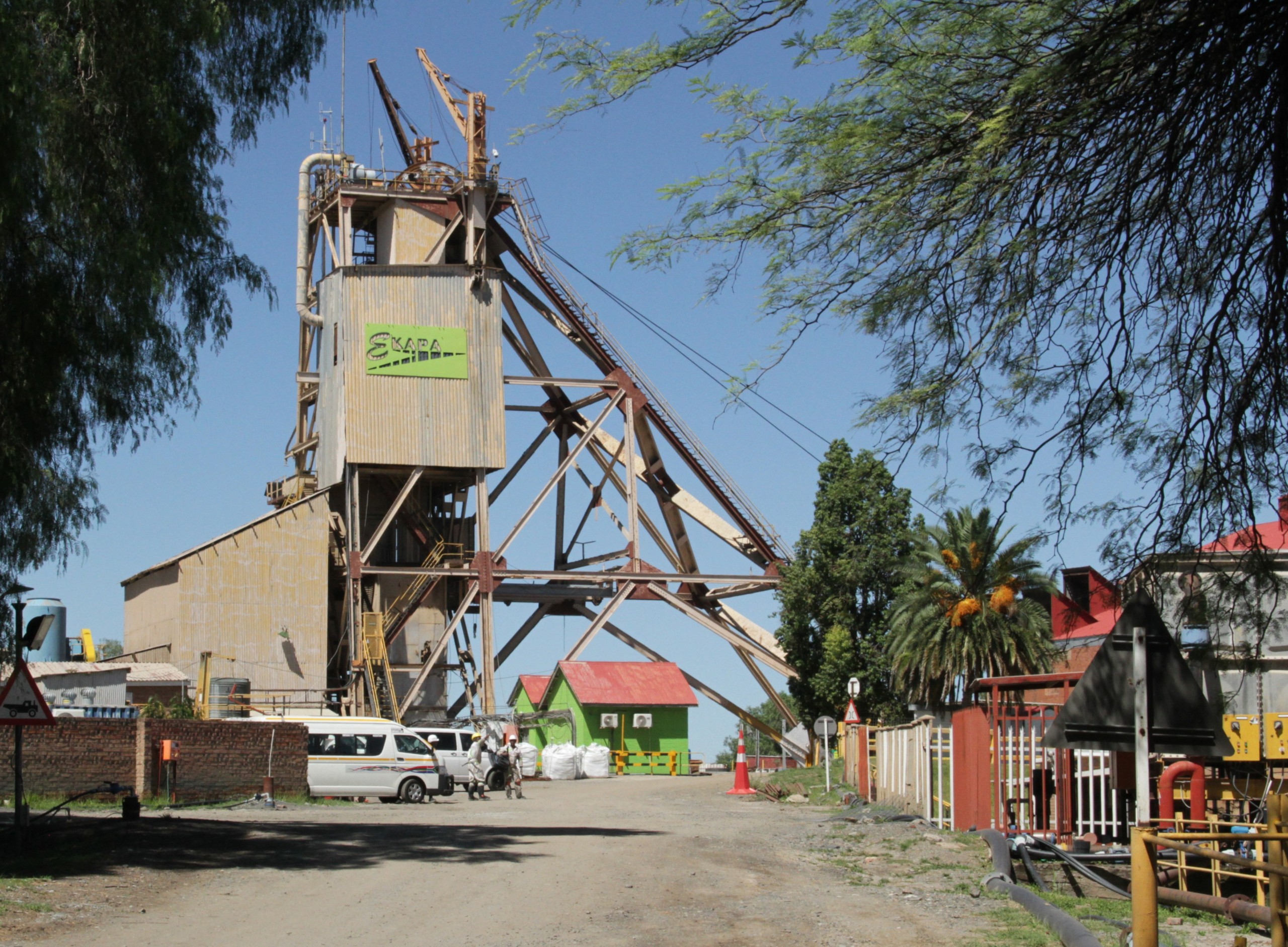
KIMBERLEY – In a landmark ruling for the Northern Cape mining sector, the High Court in Kimberley has ordered that Ekapa Minerals (Pty) Ltd be placed under supervision and business rescue, effectively halting the immediate liquidation and total closure of the diamond operation.
The company was placed under provisional liquidation in March following a catastrophic mud rush in February in which five mine workers perished. The liquidation would have been made final in September, but the National Union of Metalworkers of South Africa (Numsa) intervened and brought its latest successful application.
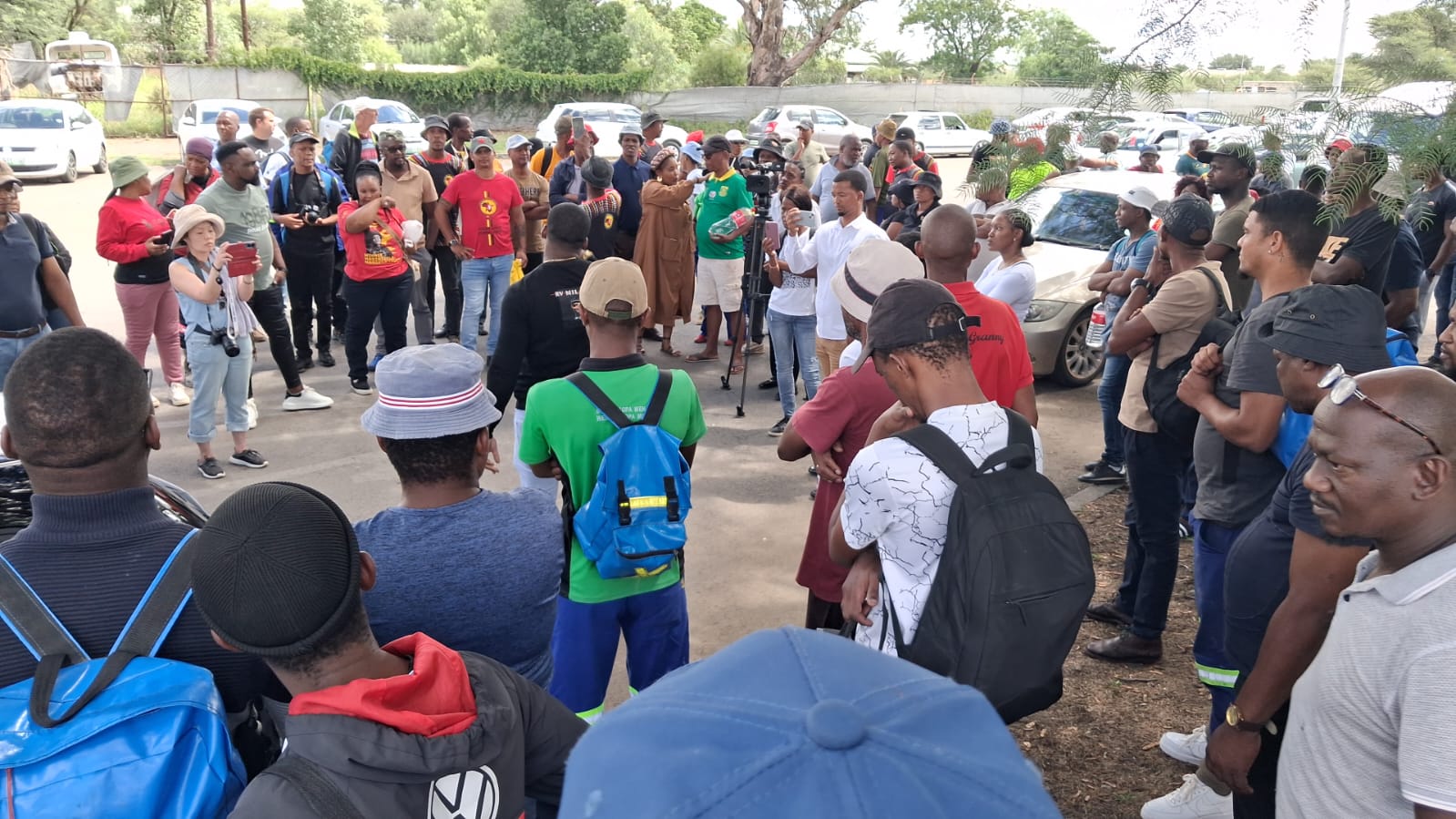
The judgment, delivered by Acting Judge T. Tyuthuza on 27 July, marks a significant victory for the union which fought to preserve the livelihoods of hundreds of workers following the catastrophic mining accident.
ALSO READ: Likwidasie-aansoek: Ekapa-myn doen aansoek om uitstel
Numsa, representing 369 employees at the mine, launched the urgent application as an “affected person” under the Companies Act, arguing that the company still had a “reasonable prospect” of recovery despite its financial distress. Central to the union’s argument was a proposed rescue plan prepared by senior practitioner Marius van Tonder, which suggested that the mine’s infrastructure remained largely viable.
Key to saving the business is Ekapa’s valuable mining right that will lapse with final liquidation.
The union contended that while the catastrophic mud rush halted production at the Du Toitspan and Bultfontein mine, the damage was geographically limited. Only specific levels were impacted, while other areas like Wesselton and surface mining remained fully operational and capable of sustaining production.
To fund the turnaround, Numsa highlighted R141 million in movable assets, a game farm valued at up to R30 million, and R400 million in receivables owed by related group entities. Crucially, they secured a letter of intent from Hall of Diamonds, which pledged R25 million in post-commencement finance in exchange for diamond purchasing exclusivity.
The union’s primary goal was the preservation of at least 500 of the 1 030 existing jobs, arguing that business rescue would eventually yield 100 cents in the rand dividend for independent creditors over 36 months.
Management mounts fierce opposition
The application faced fierce opposition from Ekapa Minerals’ management and its provisional liquidators. They argued that the company was terminally ill and that business rescue was merely a “speculative suggestion” that would only increase liabilities.
The company’s legal team claimed that the mud rush had fundamentally destroyed the mine’s viability. Relying on the expert opinion of a mining engineer, they asserted that it would require an investment of approximately R800 million to clear the flood damage and revive activities, a sum far exceeding the union’s proposed R25 million.
ALSO READ: Unions outraged as Ekapa Mine enters liquidation with five miners still trapped underground
The intercompany loans cited by Numsa were largely irrecoverable because related entities like Ekapa Resources were also in liquidation. The respondents presented a petition from 53 employees who opposed the rescue, believing it had no chance of success. For the respondents, a controlled sale of assets through liquidation was the only “responsible” avenue left.
In her analysis, Judge Tyuthuza noted that the South African legal framework reflects a clear “legislative preference” for business rescue over the destruction of companies through liquidation. The judge found that Numsa had provided a “cogent evidential foundation” to support a reasonable prospect of success.
The judge noted that under the Mineral and Petroleum Resources Development Act, a mining right automatically lapses upon liquidation. By choosing business rescue, this “very valuable asset” is preserved, allowing the company to continue generating income.
Liquidation causes significant “collateral damage” to the social and economic fabric of Kimberley.
Business rescue, by contrast, seeks to protect a wider group of stakeholders, including the 500 families whose livelihoods depend on the retained jobs.
The judge accepted the evidence that the mine’s operational infrastructure remained largely intact and that areas unaffected by the mud rush could still be mined.
The court showed confidence in Van Tonder, a practitioner with experience in over 100 rescue cases, noting he would now have the power to fully investigate the company’s affairs and terminate the process if he later found rescue to be unviable.
The way forward
With the court’s order, the previous liquidation proceedings are suspended. Van Tonder has been appointed as the interim business rescue practitioner.
He will take full control of the company to develop a formal business rescue plan, which creditors and stakeholders will ultimately vote on.
The court ordered the respondents to pay the costs of the application on a party and party scale and specifically included the costs of two counsel where they were employed, calculated on scale C.