

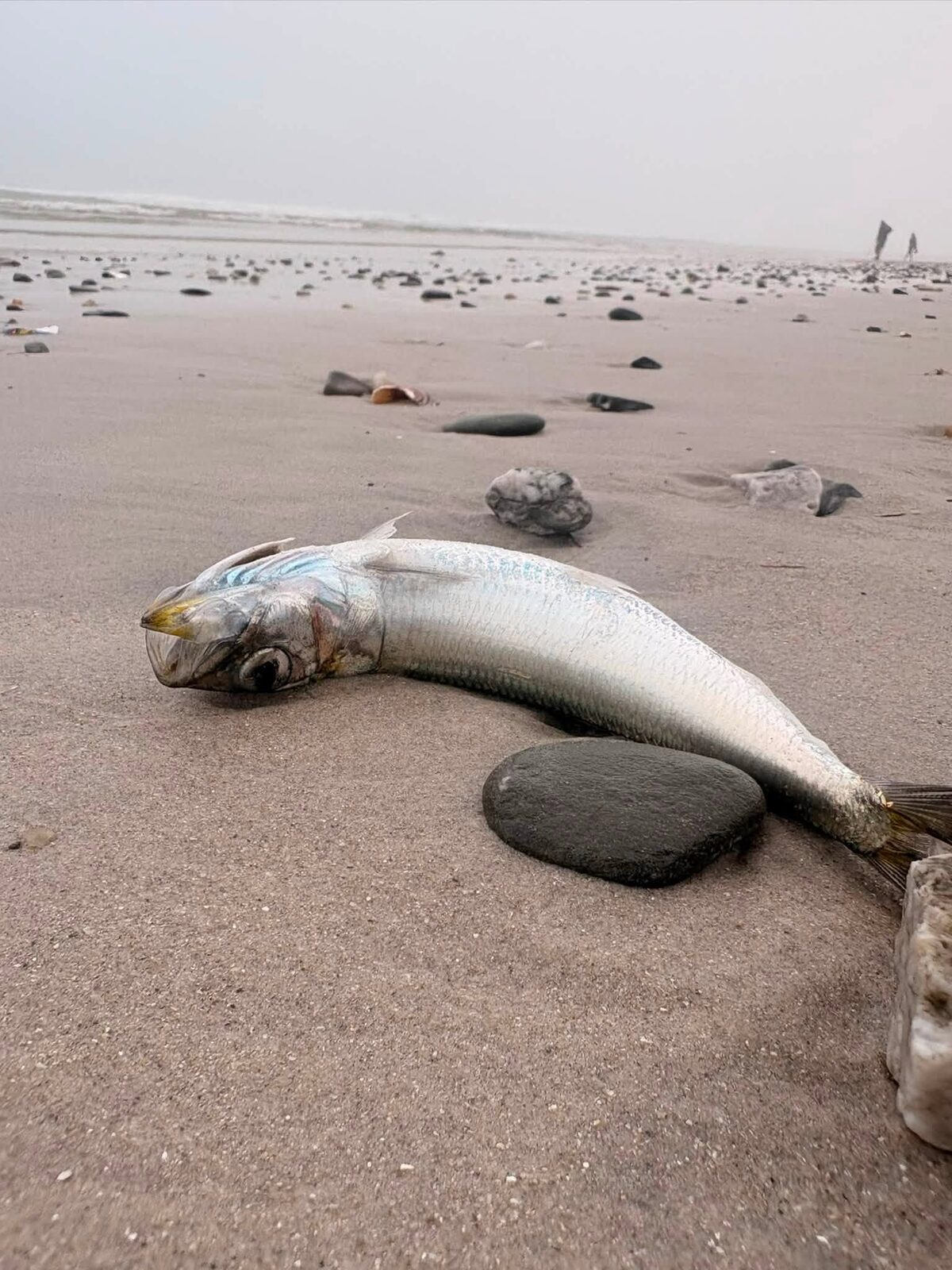
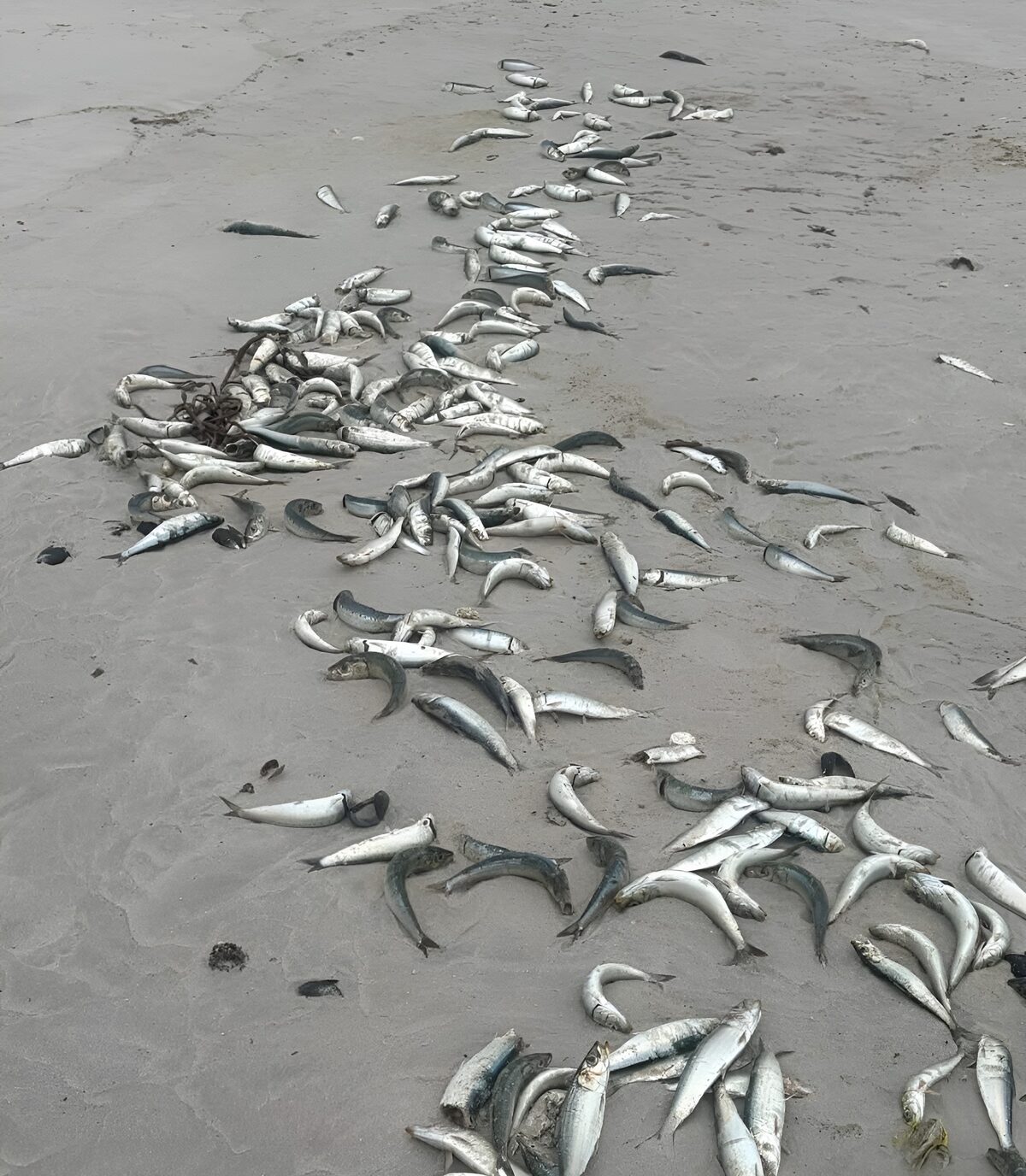
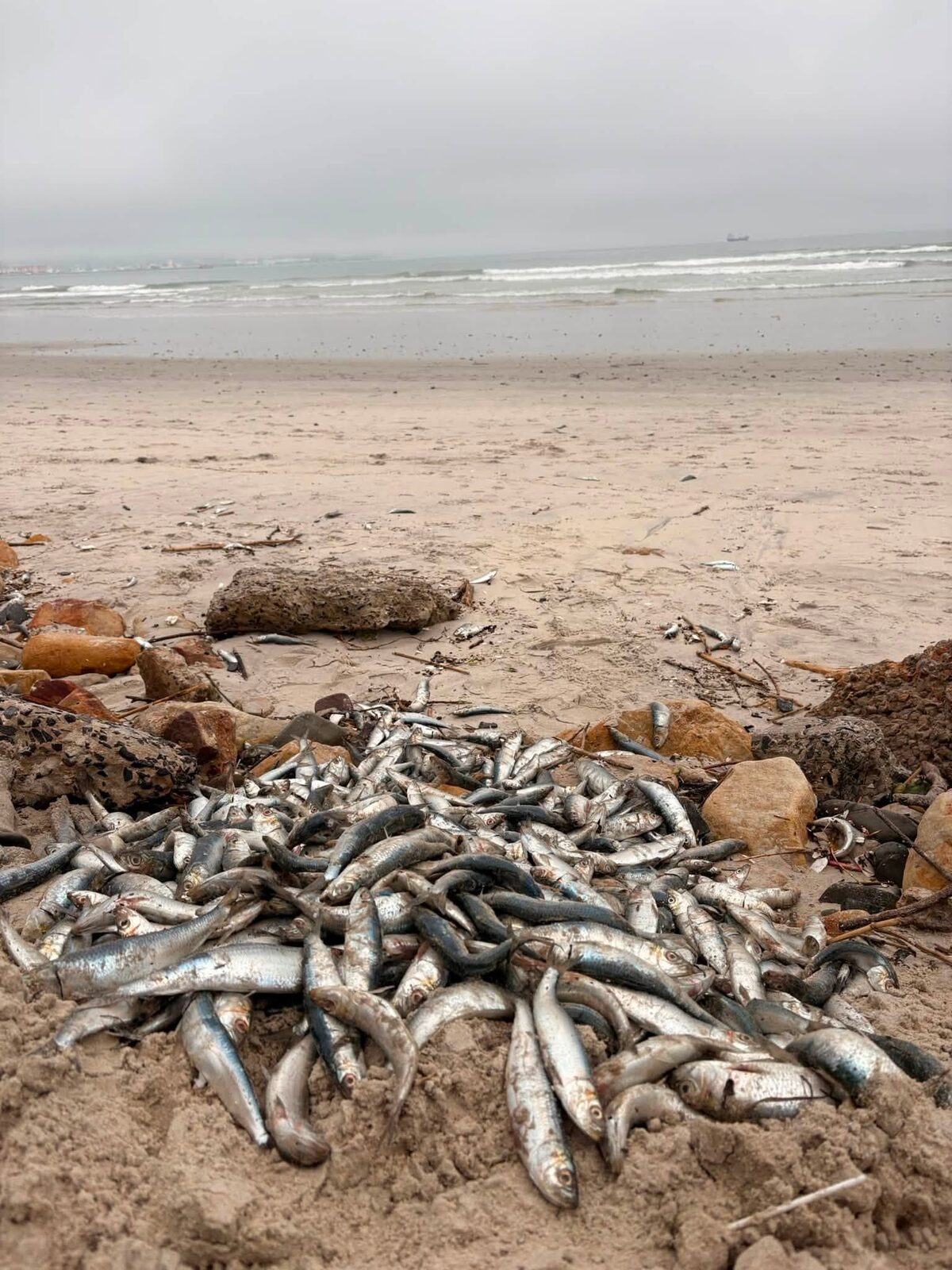
A mass sardine die-off that spread 2 600 km along the South African coast has eased, with no new deaths reported since Thursday 3 September.
The Department of Forestry, Fisheries and the Environment announced this on Sunday 13 September, though monitoring continues and the event cannot yet be regarded as concluded.
The mortality event, which began in the Western Cape in late July, spread along the coast to the northern Wild Coast.
Timeline of the event
Initial reports ranged from Saldanha on the West Coast to Gansbaai in the Overberg region.
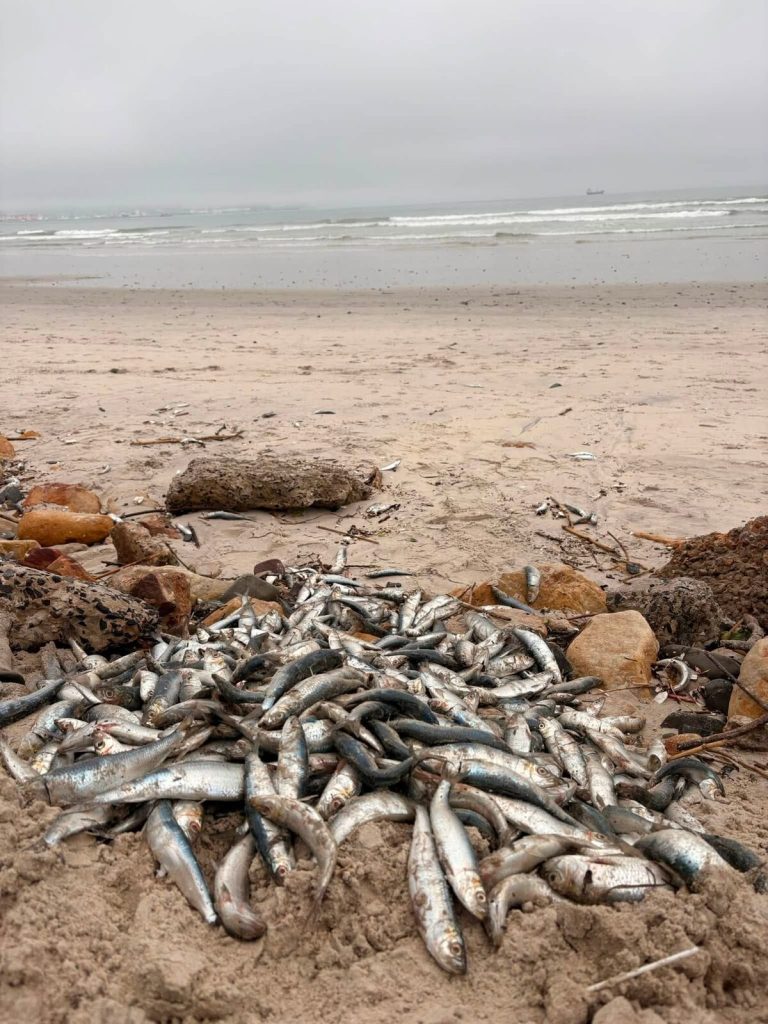
Reports in the Western Cape eased after 6 August. Within a week sardines began washing ashore at beaches in Gqeberha. Days later, the event spread to the East London area and northern Wild Coast.
No strandings have been reported along the KwaZulu-Natal coast, where warm inshore conditions may have limited further northward movement.
Sardine strandings have also been reported along the Namibian coast.
PHV confirmed as primary cause
Investigators initially examined multiple possible causes, including a harmful algal bloom in Saldanha Bay, but tests showed no paralytic toxins.
Oceanographic data indicated enhanced upwelling, unusually cold nearshore water and low oxygen levels before the event. However, these conditions were similar to those recorded during a recent survey when no dead sardines were observed.
The fact that mortality appears restricted to sardines makes a general environmental cause less likely.
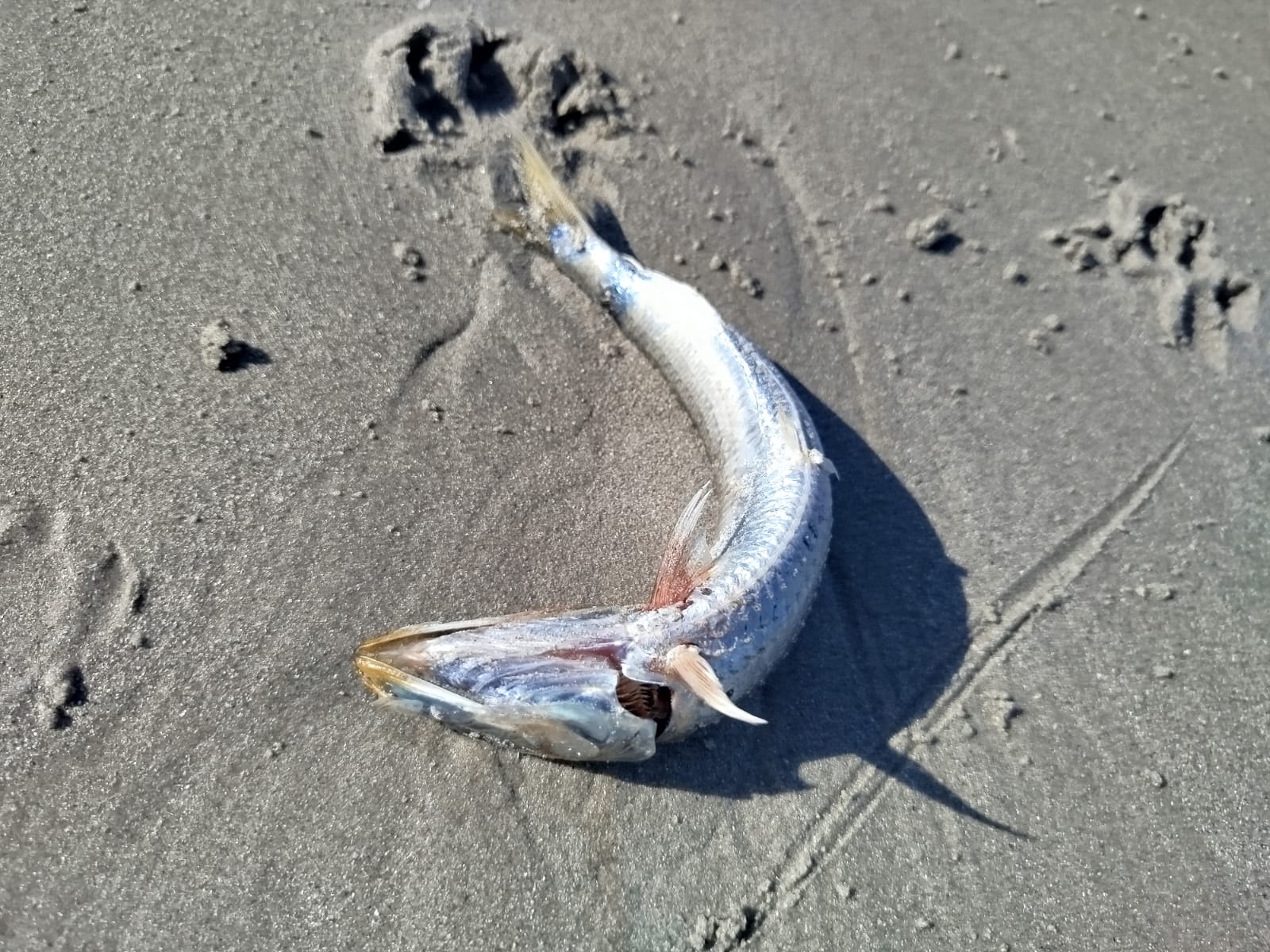
Laboratory testing detected pilchard herpesvirus (PHV) in sardines, which showed consistently high viral levels. Sardines collected off the KwaZulu-Natal coast in June and July, before any mortalities were reported, tested negative for PHV.
Testing confirmed PHV in affected sardines from both the Western Cape and Gqeberha, making it the most likely primary cause. This marked the first time PHV has been detected in dead South African sardines.
Similar strandings along the Namibian coast have not yet been confirmed as linked to the South African event.
PHV was linked to two large-scale sardine die-offs in Australasia during the 1990s, causing gill damage and inflammation that led to breathing problems and mass deaths.
There is currently no evidence identifying when or how the virus reached South African waters.
Also read: Fish virus emerges as leading suspect in West Coast sardine die-off
Impact on infrastructure
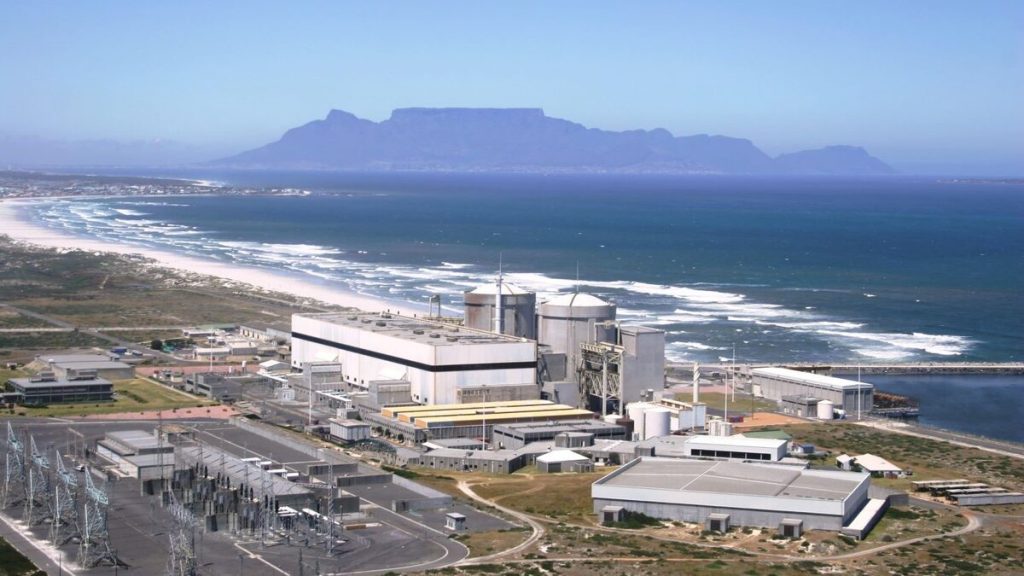
The die-off affected critical infrastructure when dead fish blocked Koeberg Nuclear Power Station’s seawater intake in August, forcing Eskom to temporarily reduce power generation at Unit 1 to 50%. The issue was resolved and output increased to 70% by 26 August.
Also read: Sardine die-off forces Koeberg nuclear plant to cut power generation
Management response
At its meeting on 4 September, the Small Pelagic Scientific Working Group found that available evidence did not indicate a sufficiently large reduction in the sardine population to warrant a complete fishery closure. The group nevertheless recommended temporary precautionary limitations on catches while further information is obtained.
The DFFE implemented these recommendations. A high-level PHV task team met on 8 September to coordinate the response.
Preliminary assessment does not indicate that a large portion of the overall sardine stock has died, though estimates remain highly uncertain. The October-November hydroacoustic survey will provide the first post-event estimate of sardine biomass.
The DFFE noted that photographs and video footage of unrelated mass fish-mortality events elsewhere in the world have been circulated in connection with the South African event, which may create a misleading impression of the scale.
While PHV poses no known risk to human health, the public is advised not to collect, consume, feed to pets or use as bait any dead or dying sardines found on beaches because of decomposition-related risks. Commercially produced canned sardines processed under regulatory oversight remain safe.



You must be logged in to post a comment.