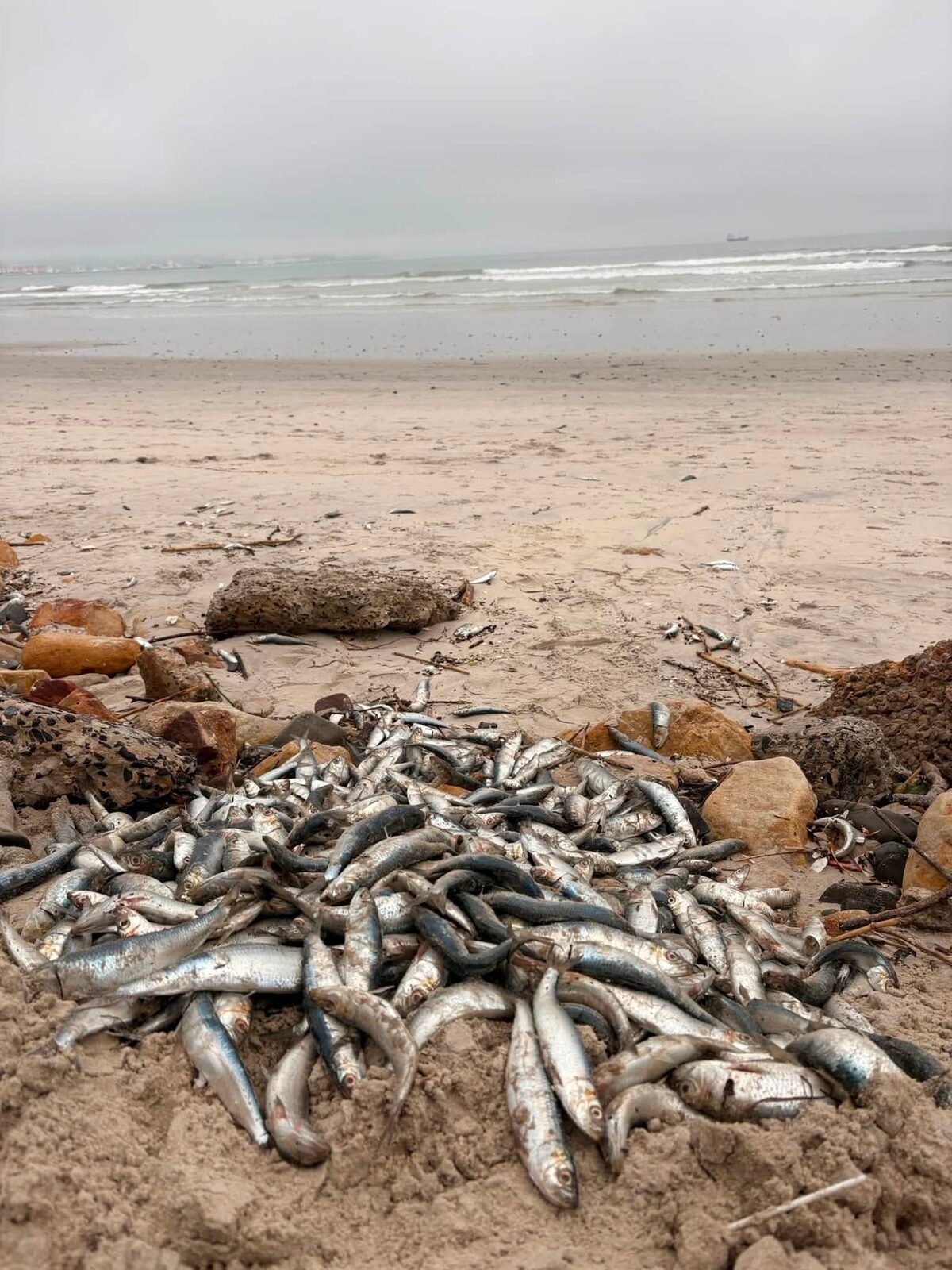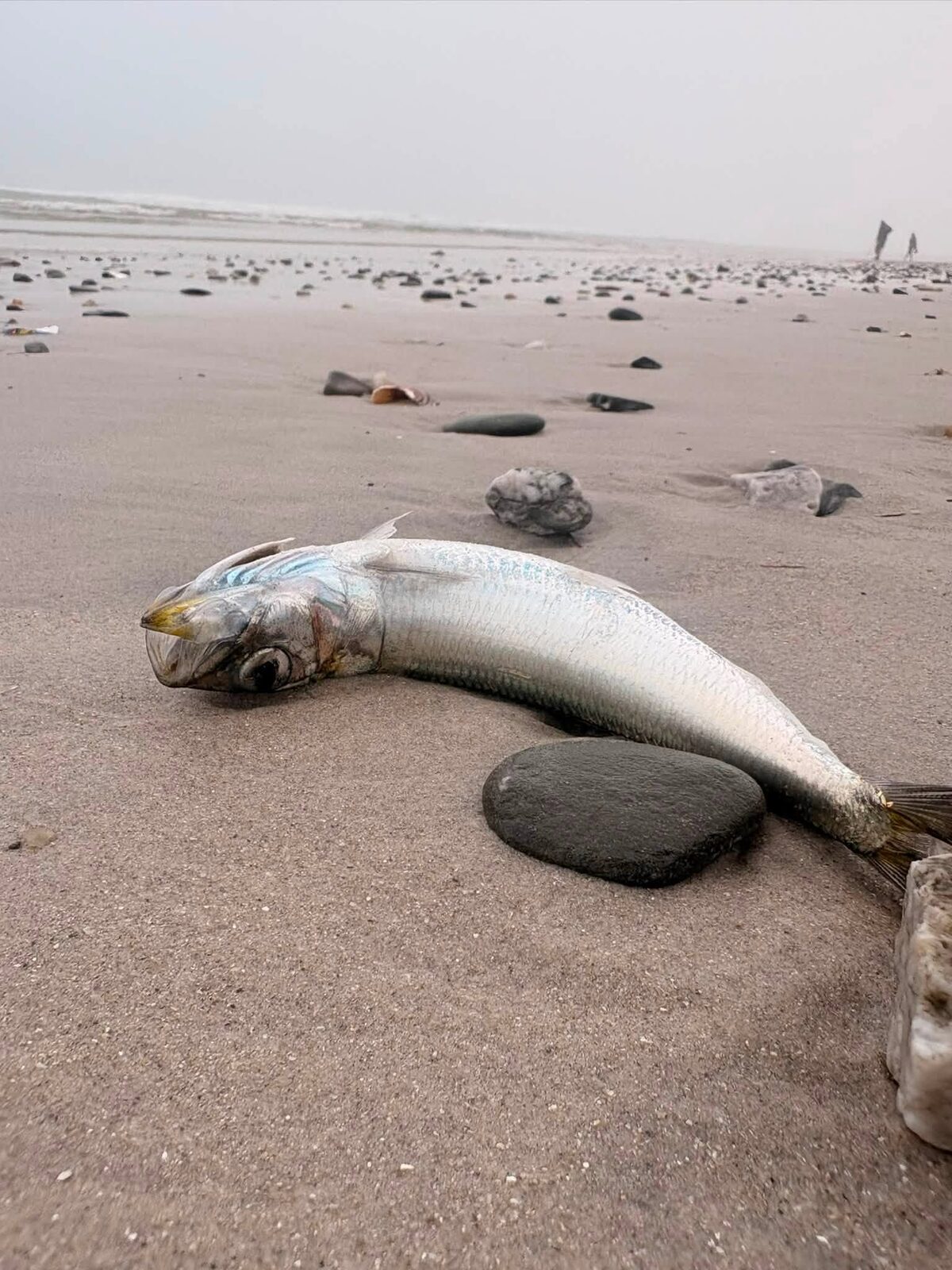

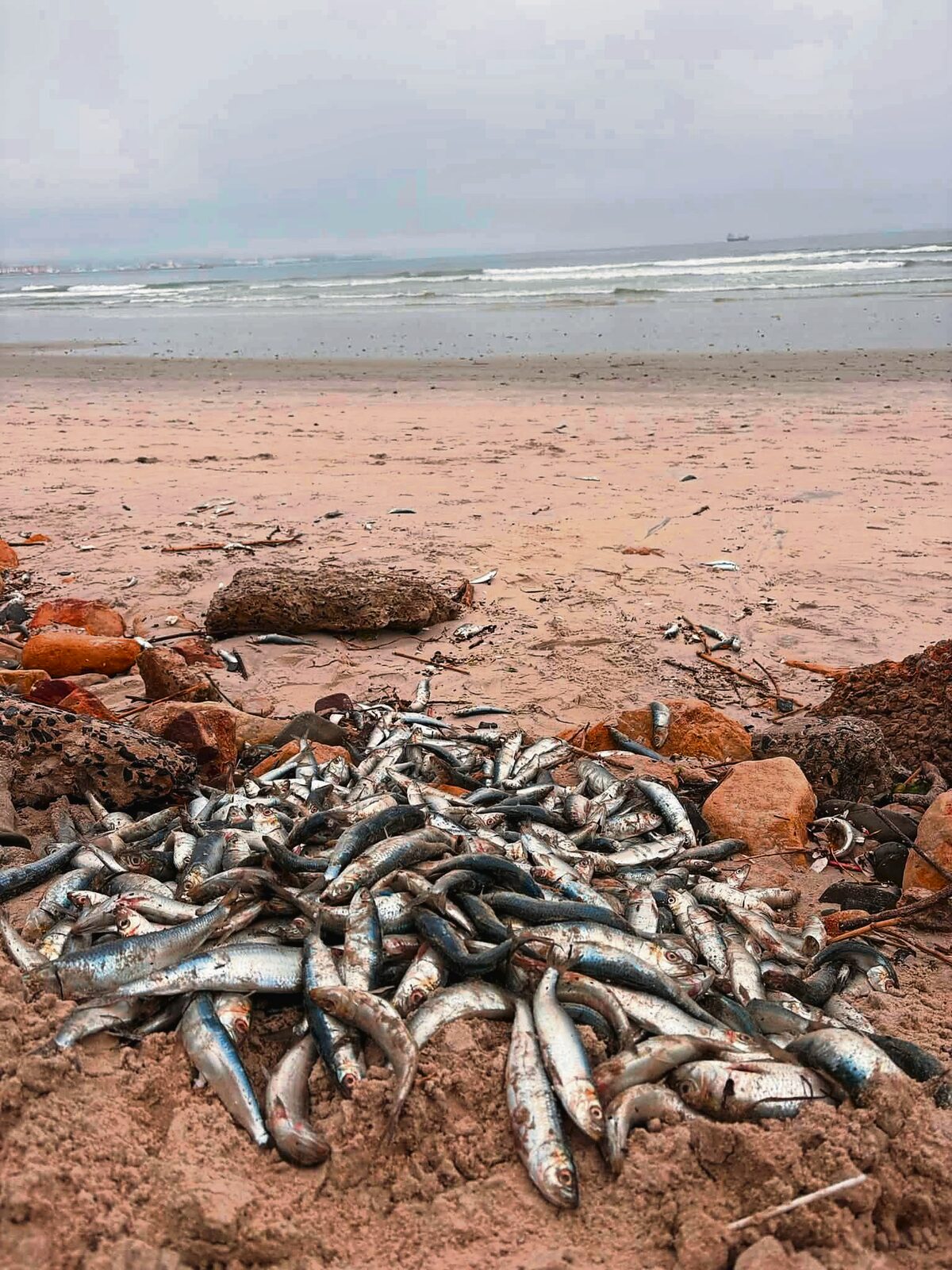
The thousands of sardines that washed up along parts of South Africa’s coastline appear to have stopped dying, with authorities reporting no further widespread mortalities since September.
While the development offers some relief, scientists are still working to unravel what caused the 2026 mortality event, with pilchard herpesvirus (PHV) remaining the leading biological factor under investigation.
The latest isolated fresh wash-up was recorded near Mbotyi on 10 September, with DFFE saying no further reports have been received since then.
While the absence of new reports is considered a positive development, authorities have stressed that further occurrences cannot yet be ruled out.
Monitoring and reporting arrangements therefore remain in place, with coastal authorities, fishers and members of the public urged to report any new sightings as soon as possible.
The City of Cape Town previously reassured residents that the mass sardine die-off along the Cape coast has no connection to the pollution at the Milnerton Lagoon.
PHV confirmed further north
The South African Institute for Aquatic Biodiversity has confirmed the presence of pilchard herpesvirus (PHV) in a sardine sample collected from a beach at Port St Johns on 1 September.
The finding extends confirmed PHV occurrence in mortality-associated sardines to the northern Wild Coast.
PHV remains the leading biological factor associated with the mortality event, although scientists are still investigating its prevalence, timing and possible origin.
Laboratory and epidemiological investigations are continuing to establish how the virus may have contributed to the deaths and whether oceanographic or other environmental conditions played a role.
The DFFE previously established an urgent task team involving the department, the fishing industry and other stakeholders to coordinate the response and investigate the possible causes of the mass mortalities.
The department also indicated that disease surveillance would be expanded along the West, South and East coasts while disease, pathology and environmental investigations continued.
Environmental factors still being investigated
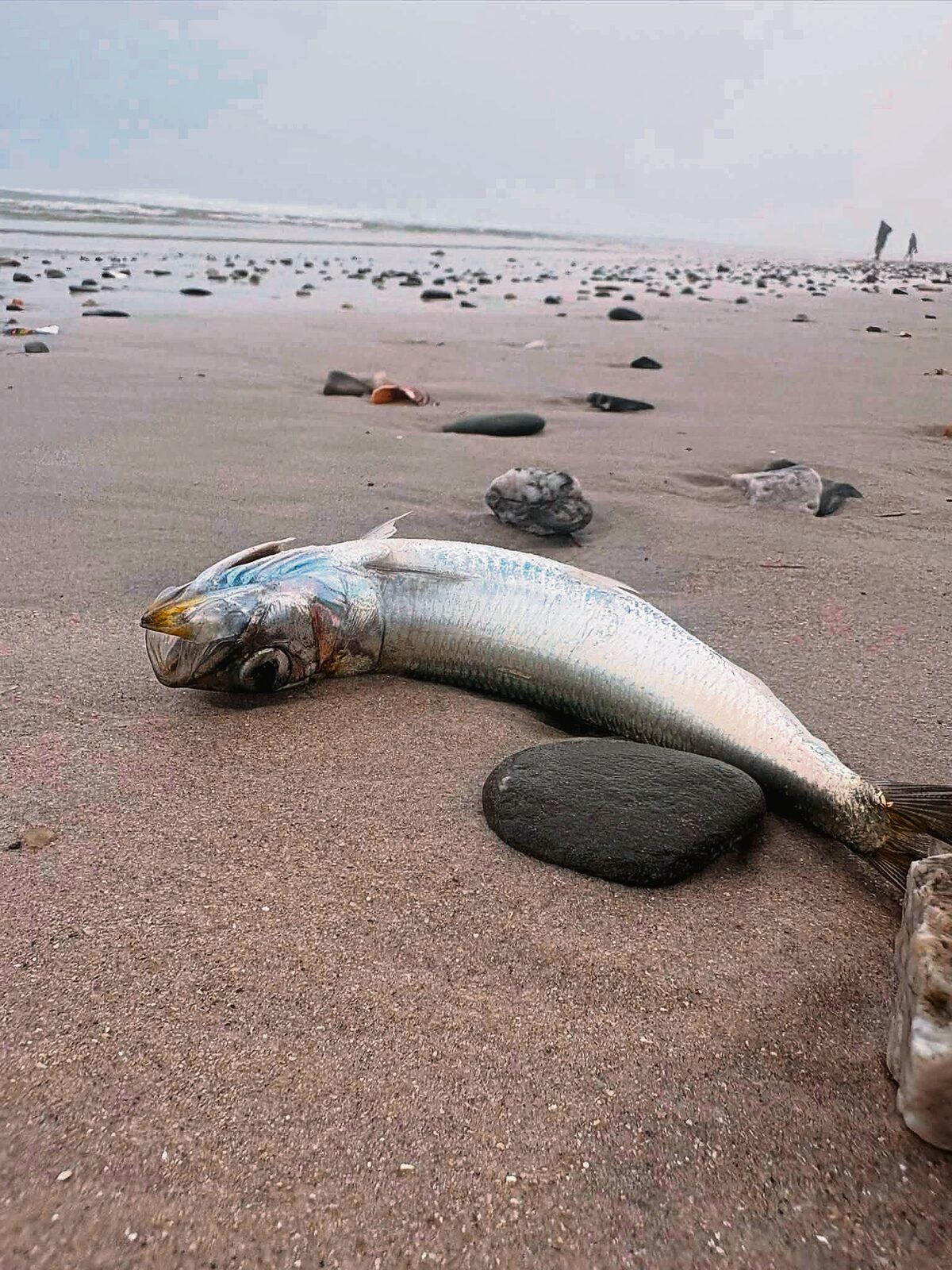
Scientists are also examining possible environmental contributors, including harmful algal blooms, low oxygen levels and unusual ocean conditions.
Earlier investigations ruled out the paralytic toxins associated with harmful algal blooms in Saldanha Bay as a cause of the sardine mortalities.
These toxins can accumulate in filter-feeding shellfish and cause severe, potentially life-threatening paralytic shellfish poisoning in people who consume contaminated seafood.
However, the toxins were not detected in the sardine samples tested.
Authorities therefore continue to investigate the mortality event as a complex interaction that may involve biological, environmental and oceanographic factors.
Survey to assess sardine stocks
Preparations are continuing for the planned end-of-year hydroacoustic survey, which will provide the first fisheries-independent estimate of sardine biomass and distribution following the mortality event.
The results will help scientists determine the extent of any impact on the sardine population and inform future fisheries management decisions.
Authorities are also monitoring possible effects on sardine-dependent predators and other parts of the marine ecosystem as part of the coordinated response plan.
A temporary precautionary restriction on the sardine fishery was also put in place following the mortalities.
The public was advised not to collect or eat dead or dying sardines found on beaches or floating close to shore.
The fish should also not be fed to animals or used as bait.
ALSO READ: Task team launched after herpesvirus found in dead sardines