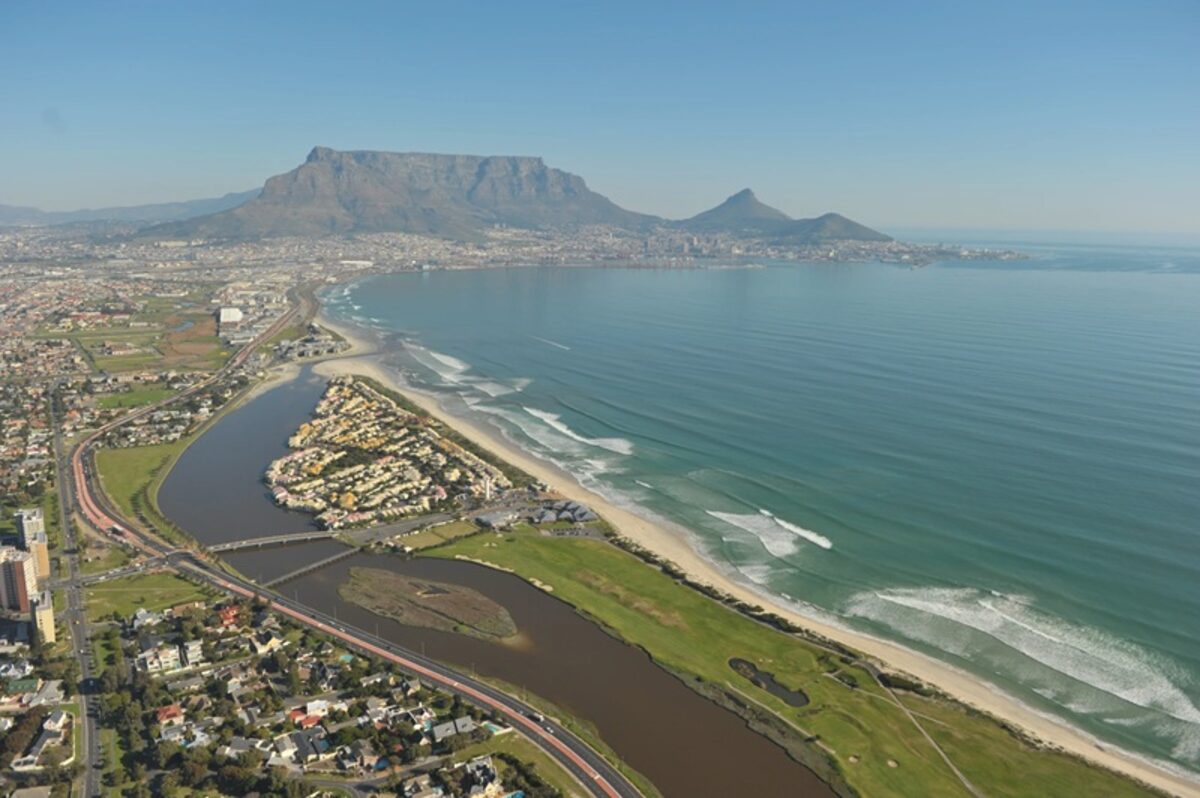

The City of Cape Town has moved to reassure residents that the recent mass sardine die-off along the Cape coast has no connection to the Milnerton Lagoon.
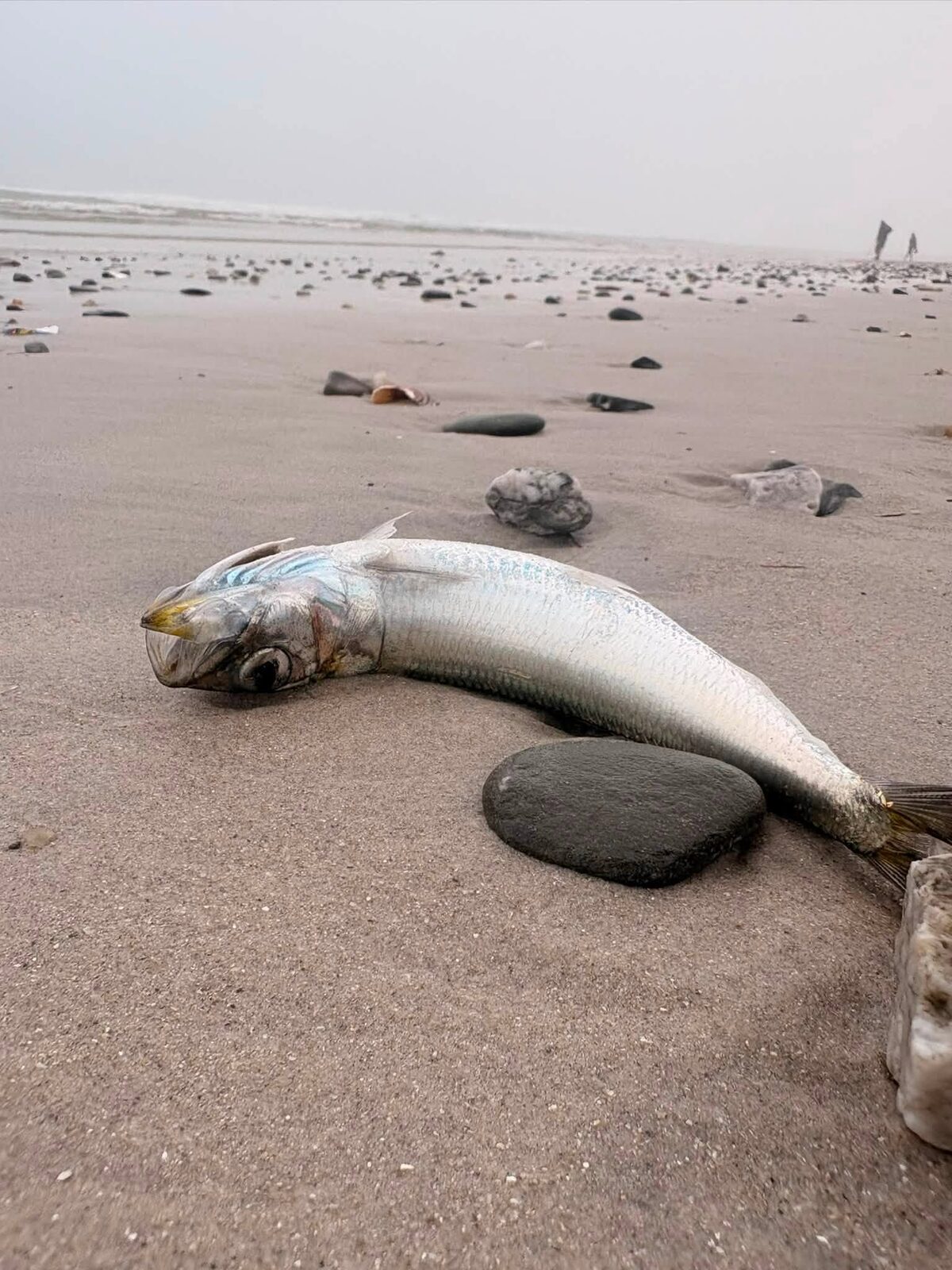
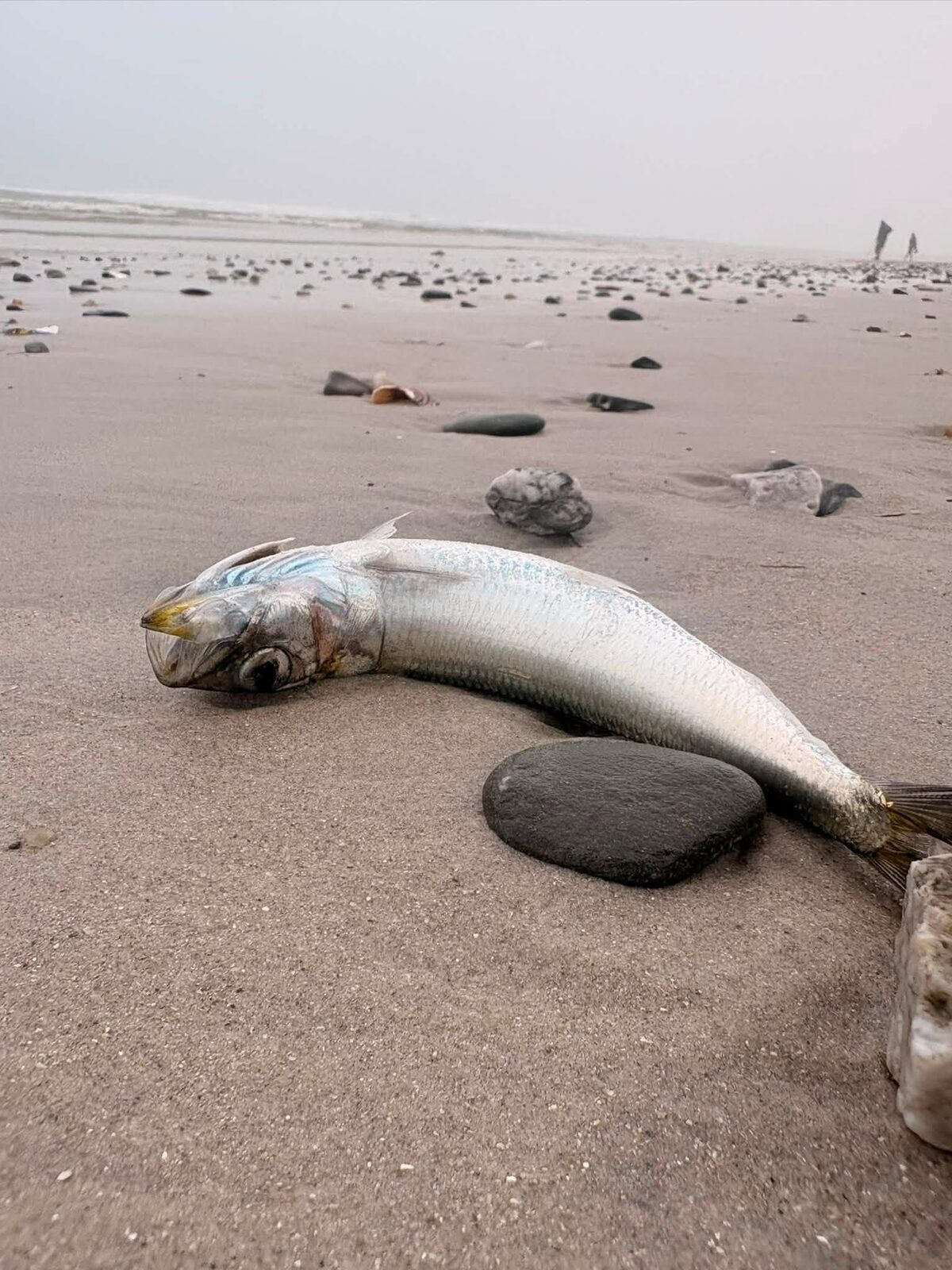
Dead and dying sardines have washed ashore at several locations in recent weeks, with sightings stretching from Silverstroomstrand and Melkbosstrand to Milnerton, Camps Bay and as far as Saldanha Bay and Cape Agulhas.
The Department of Forestry, Fisheries and the Environment (DFFE) has confirmed that laboratory testing detected pilchard herpesvirus (PHV) genetic material in affected sardines.
However, scientists have not yet established whether the virus is responsible for the large-scale fish deaths.
City rules out lagoon link
The City says residents should not associate the sardine mortalities with the condition of the Milnerton Lagoon.
“We want to assure residents that this phenomenon has nothing to do with the Milnerton Lagoon. Sardines do not live in the Milnerton Lagoon, neither in the estuary, they are oceanic fish,” said the City’s deputy mayor and Mayco member for spatial planning and environment, Eddie Andrews.
“The DFFE is busy investigating the cause of the sardine mortality along the West Coast and we will be sure to stay abreast of these findings,” he said.
The City confirmed sightings at various locations along Cape Town’s west coast, saying these are part of the wider fish die-off currently under investigation.
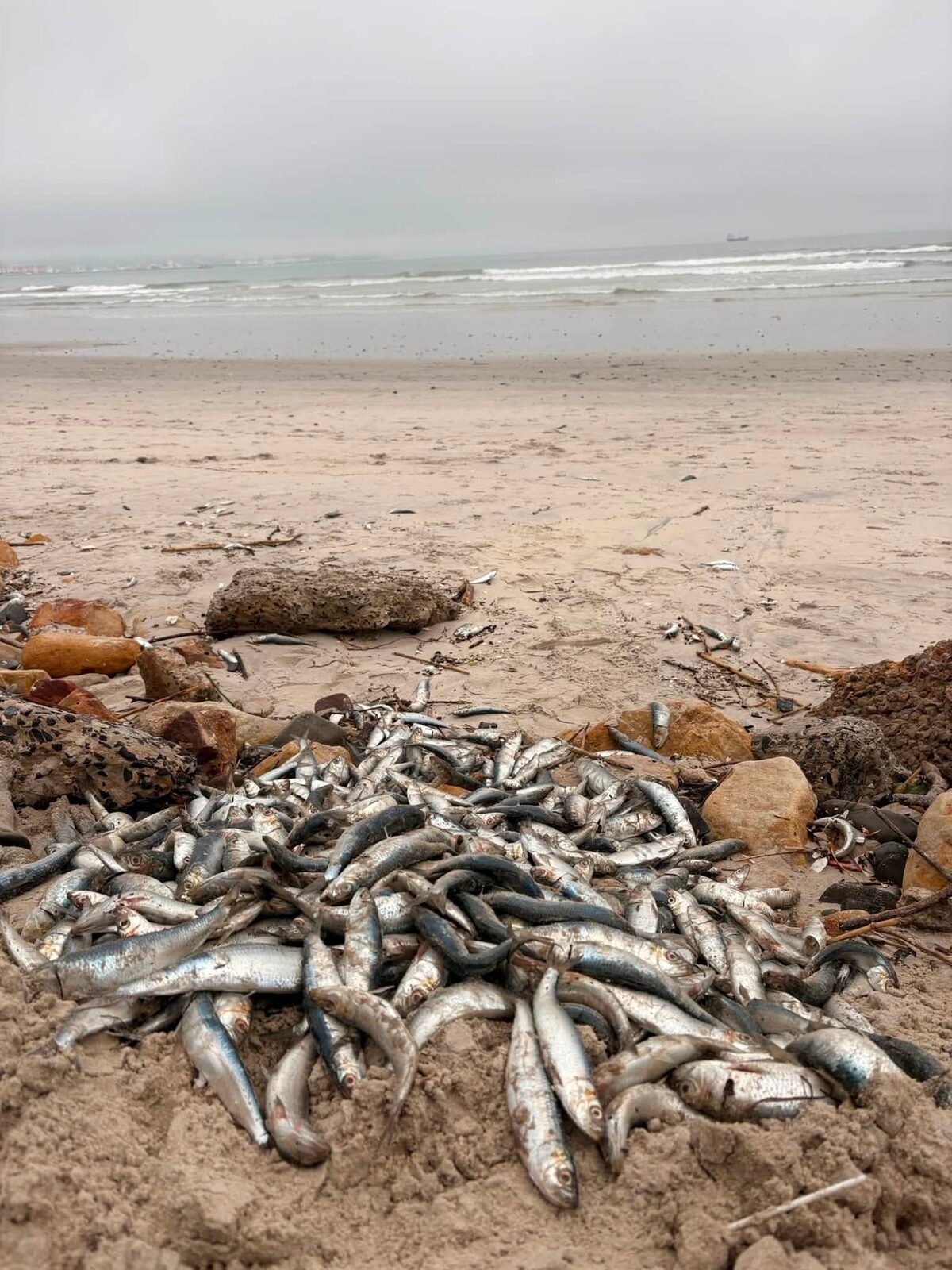
Dead sardines were also reported at Milnerton Lagoon on Friday 14 August.
Virus detected in fish
According to the DFFE, PHV genetic material was detected in dead sardines and at lower levels in some apparently healthy fish collected along the West Coast.
The finding means the presence of the virus alone may not explain the scale of the mortality.
Scientists are investigating whether other environmental factors, including harmful algae, low oxygen levels or unusual ocean conditions, may have contributed to the deaths.
Tests for paralytic toxins linked to harmful algal blooms found none in samples from Saldanha Bay, the Cape Canyon and Gansbaai.
Domoic acid and yessotoxin were detected at low levels, although the highest concentrations were found in an apparently healthy comparison sample from St Helena Bay.
The DFFE said these findings suggest the tested toxins were unlikely to be the primary cause of the sardine deaths, although environmental factors cannot yet be ruled out.
Beachgoers shocked
The extent of the fish deaths has shocked beachgoers and environmental groups.
James Tanner, who visited Melkbosstrand Beach, said he had never seen so many dead fish wash ashore.
“It was alarming. I told my kids not to touch the fish,” he said.
Zoe Prinsloo of Save a Fishie described the discovery of hundreds of dead fish at Lagoon Beach as “incredibly heartbreaking”.
The fish were found during the organisation’s birthday beach cleanup.
She said the sight highlighted how “precious, vulnerable and fragile” marine life is and reinforced the importance of protecting the ocean.
Investigation continues
The DFFE has convened an urgent briefing with small pelagic fishing industry stakeholders.
A task team made up of the department, fishing industry and other relevant stakeholders is expected to coordinate the response to the PHV-associated mortality.
Disease surveillance is also being expanded along South Africa’s West, South and East coasts while further disease, pathology and environmental investigations continue.
The department’s October/November hydroacoustic biomass survey will provide an opportunity to assess the possible impact of the mortality event on the sardine population.
PHV has not previously been reported in South African sardines. It was linked to large-scale sardine mortality events in Australasia during the 1990s, but was later detected in apparently healthy Australian sardine populations.
The DFFE said there is currently no evidence that PHV infects humans or other animals.
The finding also does not mean that healthy commercially caught sardines or canned sardine products are unsafe, and does not currently justify a general suspension of fishing or canning.
Residents urged to leave fish alone
Despite this, residents are urged not to collect or consume dead or dying fish or feed them to pets.
Andrews also warned residents not to move or dispose of fish found along the shoreline.
“We would like to remind residents not to allow their pets to consume marine life or unidentified objects found along the shoreline in general and to not move or dispose of the fish yourself, should you observe any,” he said.
The investigation into the cause of the mass sardine mortality is continuing, with further findings expected as disease and environmental testing progresses.
ALSO READ: Dead sardine reports ease as Western Cape investigation continues