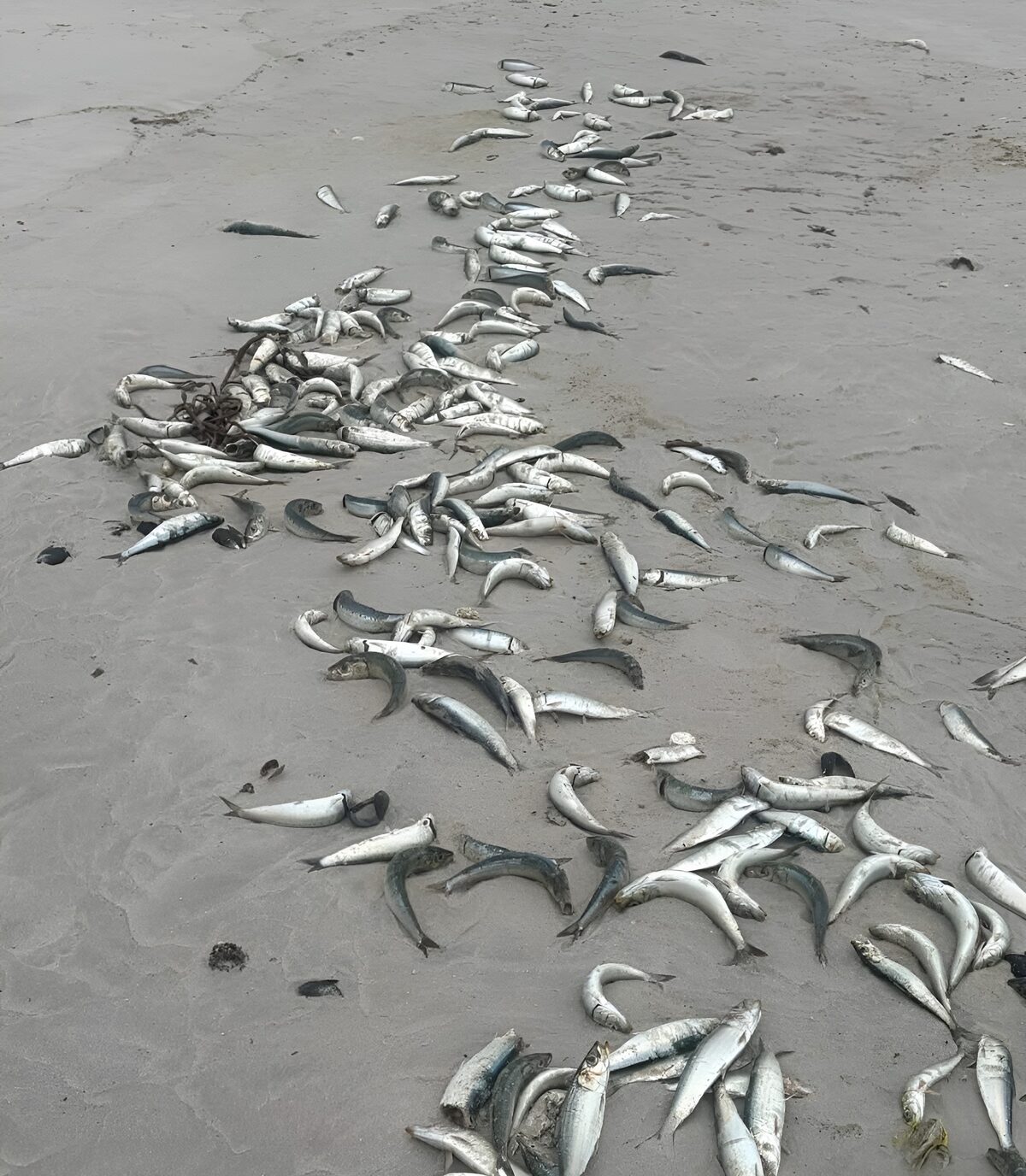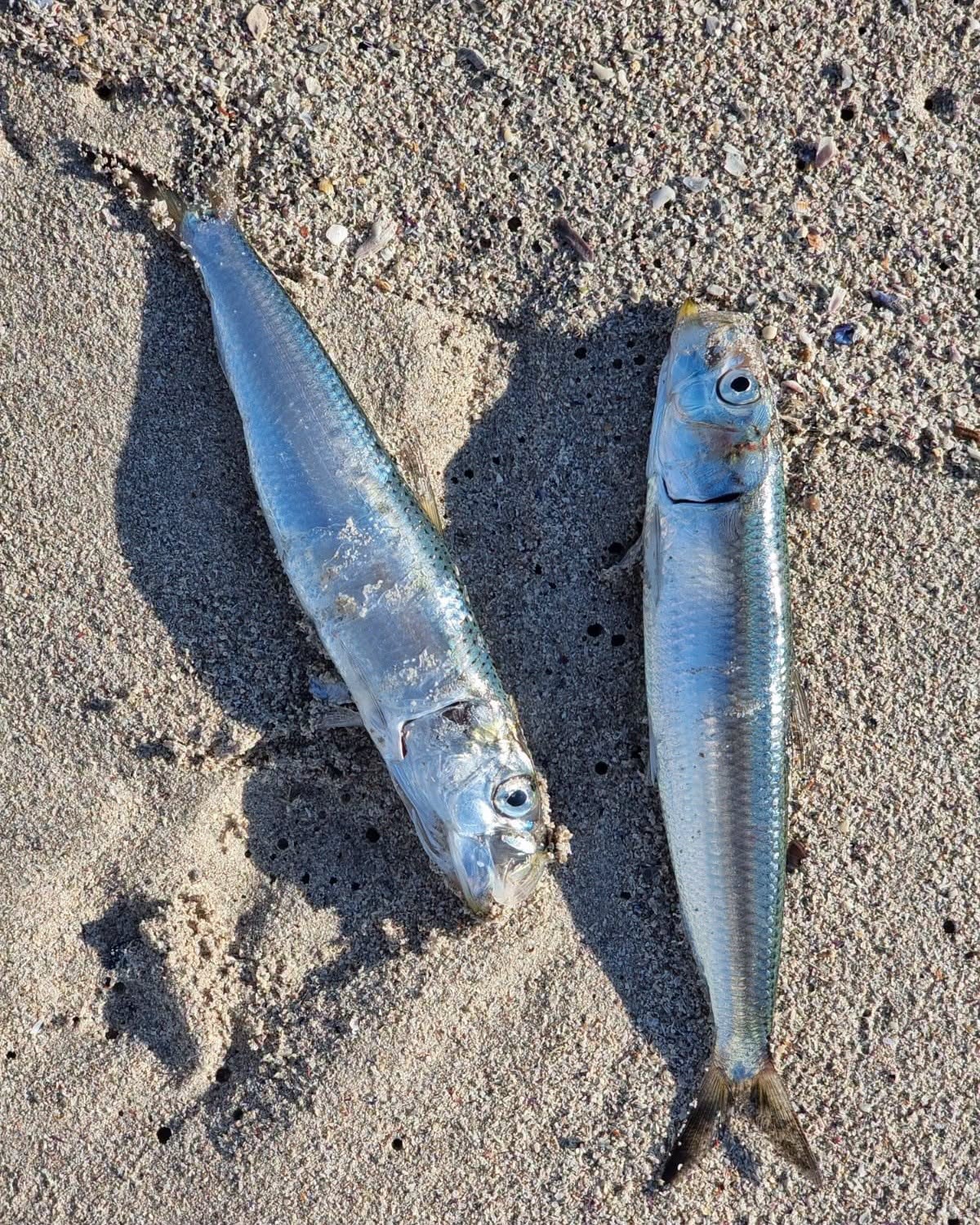
WESTERN CAPE – Reports of dead and dying sardines along the Western Cape coast have eased, with no new cases reported since Thursday 6 August, as a wide-ranging investigation into the cause of the unusual fish deaths continues.
According to a statement by the Department of Forestry, Fisheries and the Environment, West Coast canneries continue to accept healthy sardines caught north of St Helena Bay. Some factories in affected areas have elected to await the department’s results before resuming operations.
“The cause has not yet been confirmed. A wide-ranging investigation involving the department, research institutions, specialist laboratories, the fishing industry and other collaborating scientists is continuing,” the department said.
Samples of dead sardines have been obtained from Saldanha Bay, Hout Bay, Betty’s Bay, Gansbaai and the Cape Canyon area.
Healthy sardines from Elands Bay and Lambert’s Bay have also been collected for comparison.
The department said the South African Institute for Aquatic Biodiversity (SAIAB) and Rhodes University are undertaking disease testing, while SAIAB and a specialist commercial laboratory are screening samples for marine biotoxins.
Furthermore, the department’s scientists are examining water samples, stomach contents and gills for evidence of harmful algae. “Basic biological examinations, including measurements of size, weight, condition and maturity, and macroscopic examination of the gills, have also been undertaken,” the department said.
A harmful algal bloom caused by Alexandrium catenella was present in Saldanha Bay when the mortality began.
The department said this harmful alga has previously been associated with sardine mortalities in South Africa and remains one of the possible causes under investigation.
However, it has not been detected in the water samples or sardine stomach contents examined to date, and preliminary analyses have not identified a harmful algal cause.
Oceanographic information from the South African Environmental Observation Network (SAEON) and the Council for Scientific and Industrial Research (CSIR) indicates enhanced upwelling, unusually cold nearshore water and low oxygen levels in St Helena Bay before the event.
A southward-moving coastal current could also have transported affected fish from the West Coast towards Cape Point and farther east.
The department said these observations provide useful context but do not establish the cause.
“No wider effects on the marine ecosystem have been reported to date. Sardines are nevertheless an important food source for seabirds, seals and predatory fish, and the department will continue to monitor any possible effects on the sardine population and its predators,” the department said.
As a precaution, the department has advised members of the public not to collect or consume dead fish found on beaches while testing continues.
The department thanked the fishing industry, individual fishers and vessel crews, CapMarine, BirdLife South Africa, SAIAB, Rhodes University, SAEON, the CSIR, CapeNature, other collaborating scientists and specialist laboratories, as well as members of the public who supplied reports, photographs, videos and samples.
“The response demonstrates the strong links between government, research institutions, specialist laboratories and the fishing industry, enabling multiple parallel lines of investigation to proceed rapidly,” the department said.
Further updates will be provided once disease testing and initial biotoxin results are available, most likely early next week.
The department said these specialised analyses take time because samples must undergo several stages of preparation, testing and verification before the results can be interpreted reliably.
ALSO READ: Wydverspreide sardynvrektes steeds onder die loep