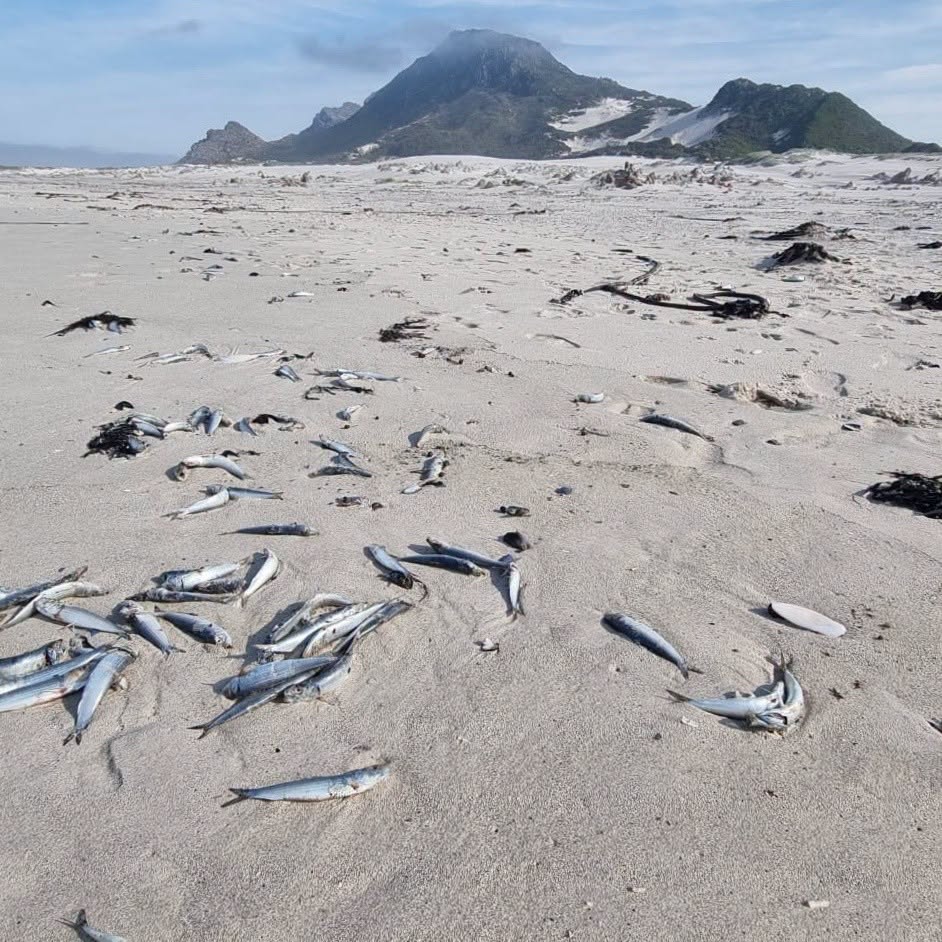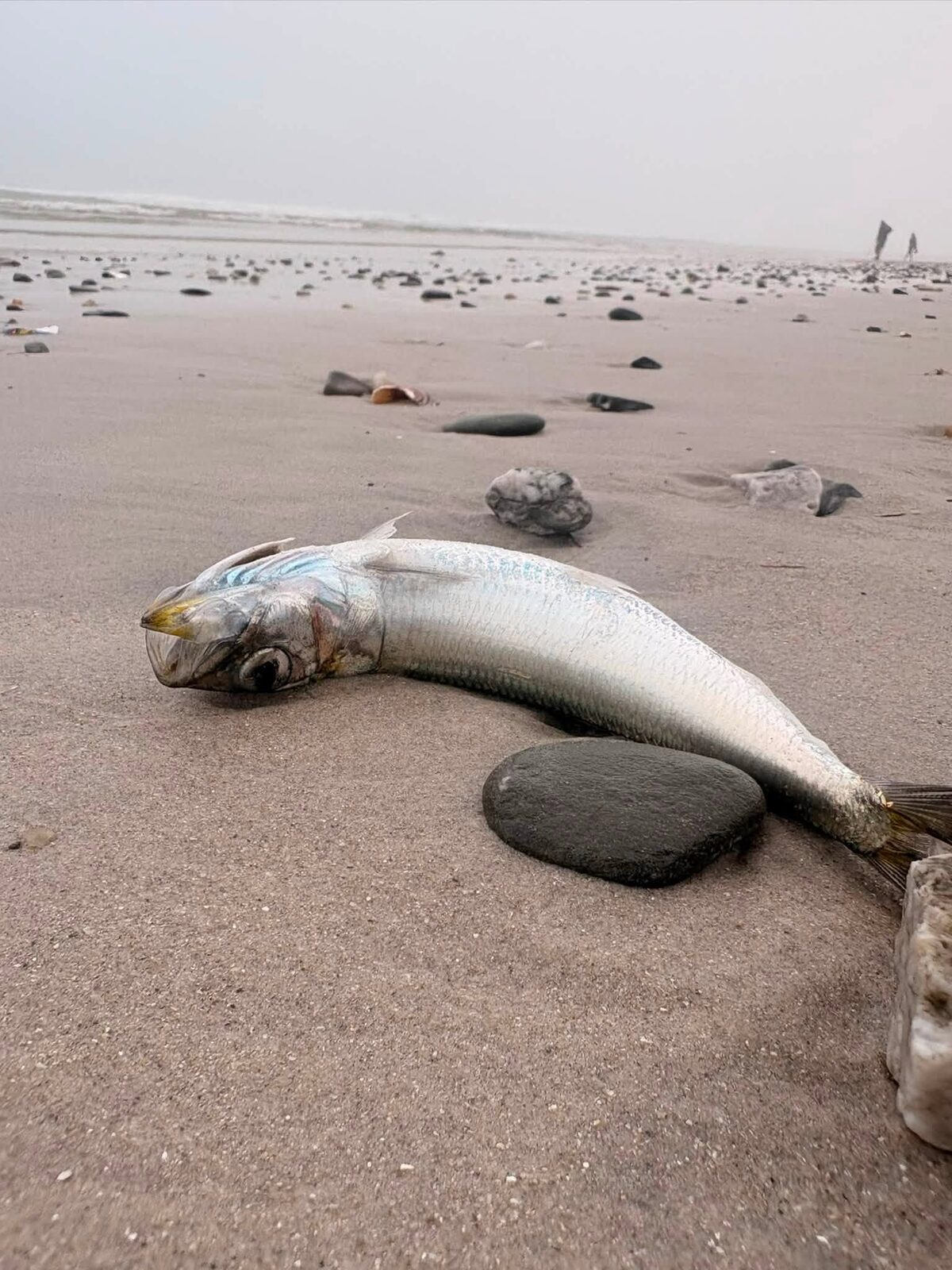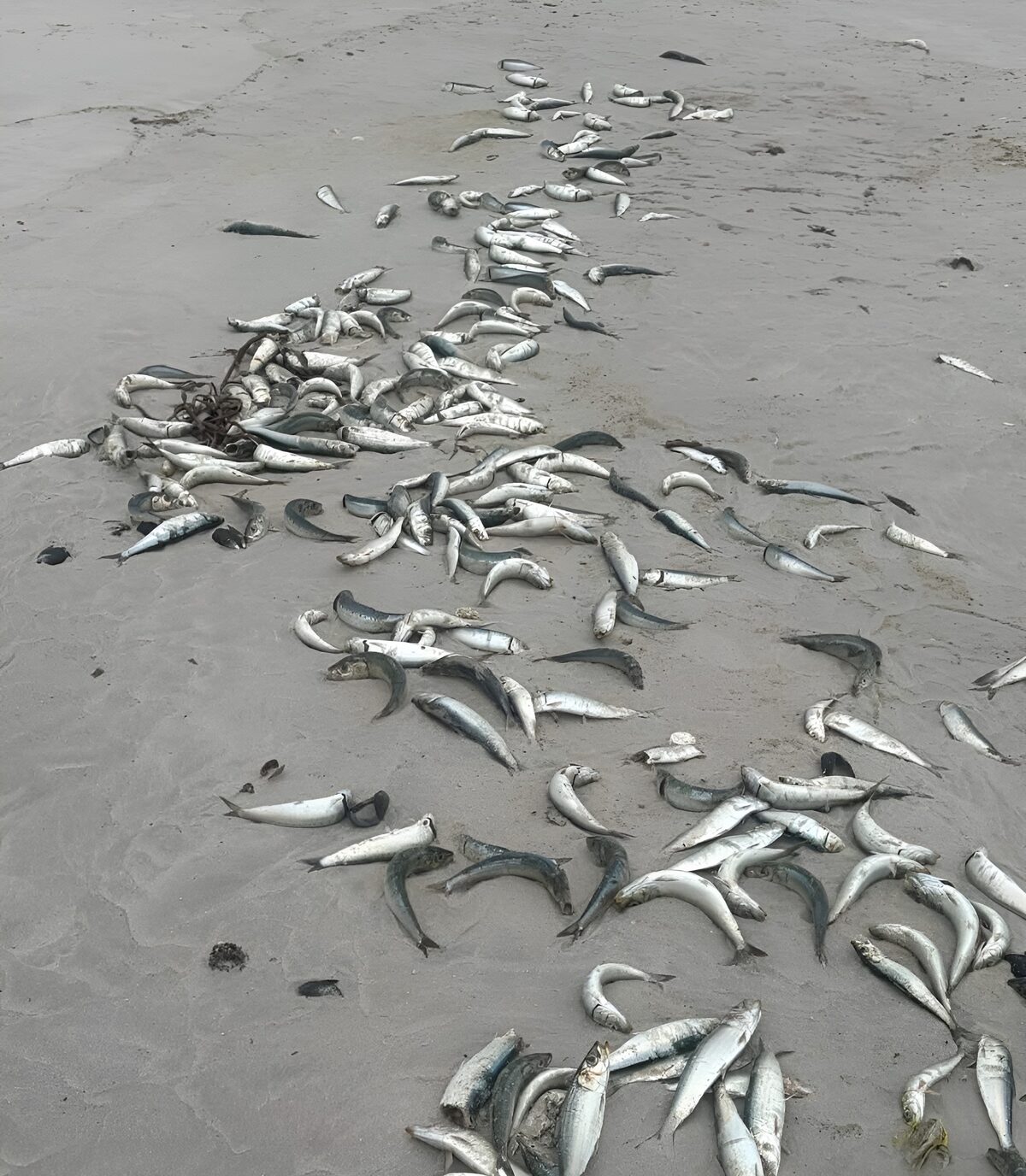
GQEBERHA – The Department of Forestry, Fisheries and the Environment has confirmed fresh sardine die-offs around Gqeberha, extending the crisis that began on the West and South Coast earlier this month.
Widespread reports emerged on 27 August of sardines washing ashore and floating offshore and within the harbour at Gqeberha. The department said it is investigating these incidents after a brief lull in mass-mortality reports since 16 August.
The latest developments follow isolated sightings at Bakoven and off Tsitsikamma. In a separate incident, live and dead sardines have been reported in the Koeberg cooling-water intake basin, with seals feeding on them. Eskom is managing this situation, though the DFFE has not had access to the site but obtained a sardine sample for testing.
Regional crisis emerges
The die-offs are no longer confined to South African waters. Sardine strandings have been reported along the Namibian coast, and authorities there have agreed to provide samples for Pilchard herpesvirus testing.
The DFFE said PHV remains the leading explanation for the Western Cape mortality event. A link with the Gqeberha incident is considered likely but requires confirmation. Other causes and environmental contributions will also be investigated.
Samples are being collected for further testing, and observers will document the distribution of affected fish and attempt systematic counts at sea.
Task team develops response plan
An intergovernmental task team met on 26 August and assigned responsibilities whilst developing the response plan. The plan covers surveillance, testing, disposal of dead fish, public communication and assessment of the stock impact.
The Small Pelagic Scientific Working Group will meet on 4 September to review the latest findings and consider their implications for fisheries management. This assessment will inform advice on whether additional management measures are warranted.
The department acknowledged concerns raised by conservation organisations but said the scale of mortality remains uncertain. The October and November hydroacoustic survey will provide essential information on the post-event sardine stock status.
ALSO READ: Public warned as sardines wash ashore at five Gqeberha beaches
Public safety warning
A joint DFFE and National Regulator for Compulsory Specifications statement released on 27 August confirmed there is no basis to discontinue consumption of commercially produced canned sardines processed under regulatory oversight.
However, the public should not collect or eat dead or dying sardines found on beaches or floating at sea, or feed them to pets, because of decomposition-related risks. PHV is not known to infect people.
The DFFE said it will provide further updates as results and management decisions become available.
ALSO READ: Sardine die-off forces Koeberg nuclear plant to cut power generation