

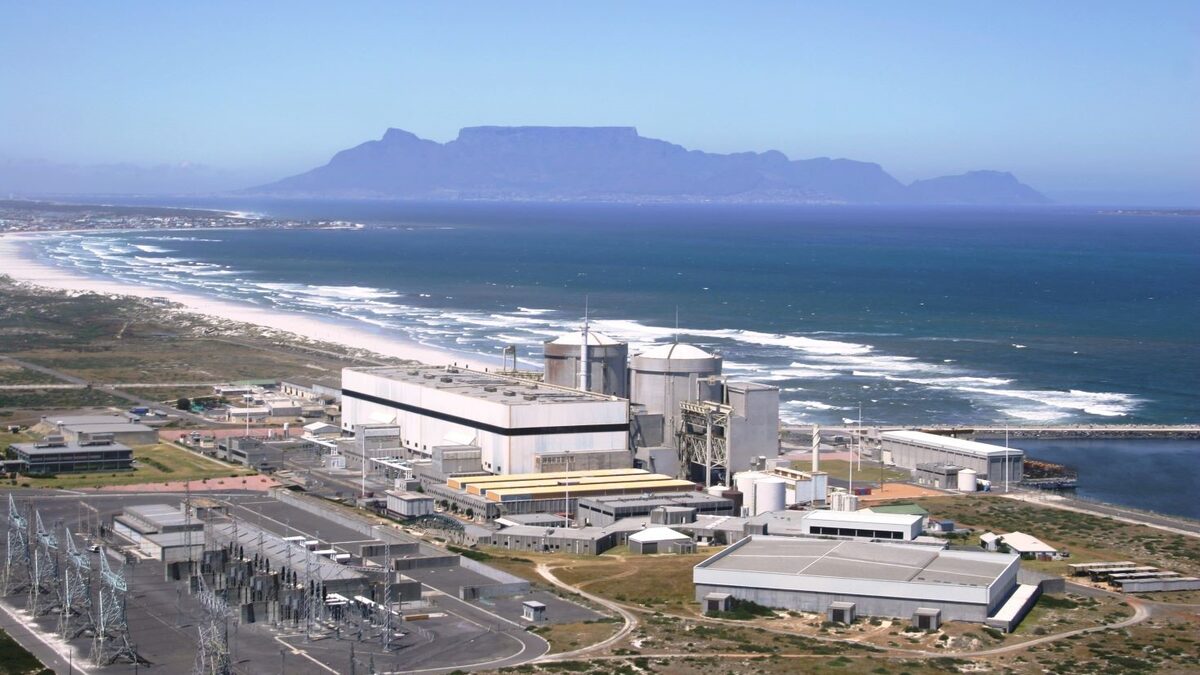
CAPE TOWN – A mass die-off of sardines along the Western Cape coast forced Africa’s only nuclear power station to reduce output by half after dead fish clogged a crucial cooling system.
Eskom cut power generation at Koeberg’s Unit 1 to 50% last Friday after a cooling pump shut down automatically when marine debris blocked the seawater intake. The plant, which has a total capacity of 1 800 megawatts, currently has only one operational unit as Unit 2 undergoes scheduled maintenance.
The power utility said the reduction was a safety precaution and that nuclear safety was not compromised. Emergency teams were deployed to clear the intake area, with operations expected to return to normal once the system is fully restored. They added that at no time was the electricity supply to South Africa affected by the incident.
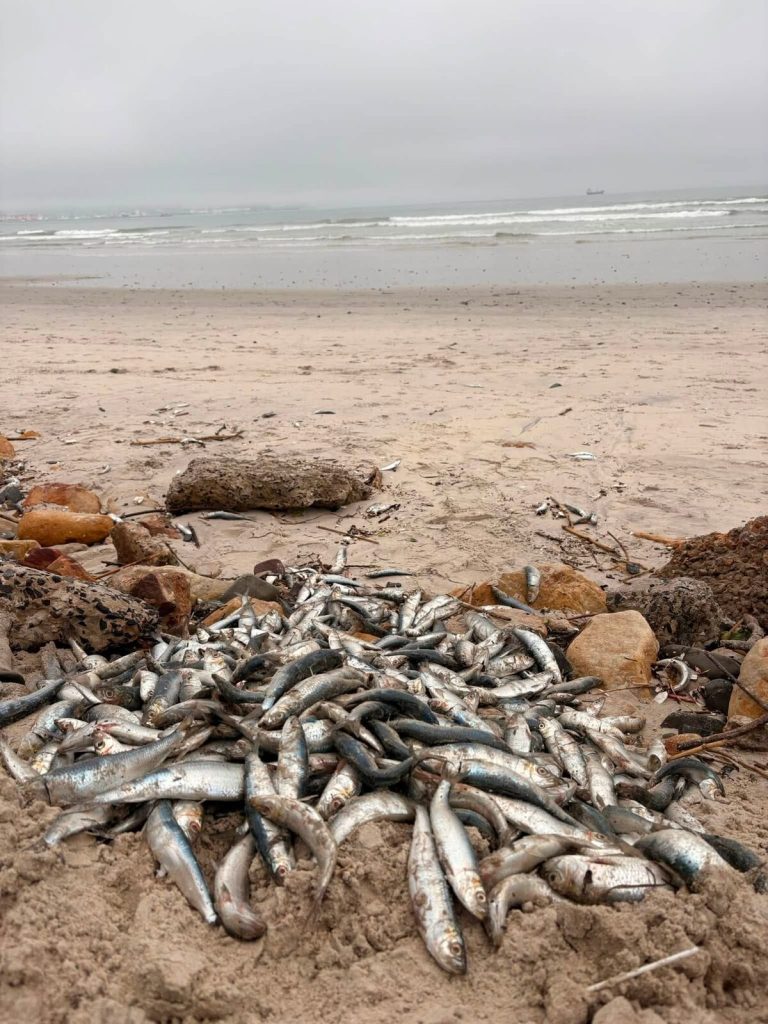
Novanews has previously reported that thousands of dead sardines have washed out along the southwestern and west coast in recent weeks, prompting an investigation by the Department of Forestry, Fisheries and the Environment. Laboratory tests have detected pilchard herpesvirus in the fish, though scientists are still working to confirm whether the virus is directly responsible for the deaths.
Initial testing on 15 sardines showed high levels of the virus in all samples, including both dead fish collected off Saldanha Bay and apparently healthy specimens from Elands Bay. Further screening of about 60 additional samples revealed high virus levels in roughly half.
The presence of the virus in healthy fish suggests it may not be the sole cause of the mass mortality. Researchers are investigating whether environmental factors such as unusually cold nearshore water, low oxygen levels and enhanced upwelling may have contributed to the die-off.
The virus has not been detected in South African sardines before. The last reported mass mortality incident occurred on 16 August, indicating the acute phase may have passed, though monitoring continues.
Eskom said South Africa’s electricity supply was not affected by the incident due to the ongoing success of its generation recovery plan. The department has advised the public to avoid consuming or collecting dead or dying fish while the investigation continues.
ALSO READ: Fish virus emerges as leading suspect in West Coast sardine die-off



You must be logged in to post a comment.