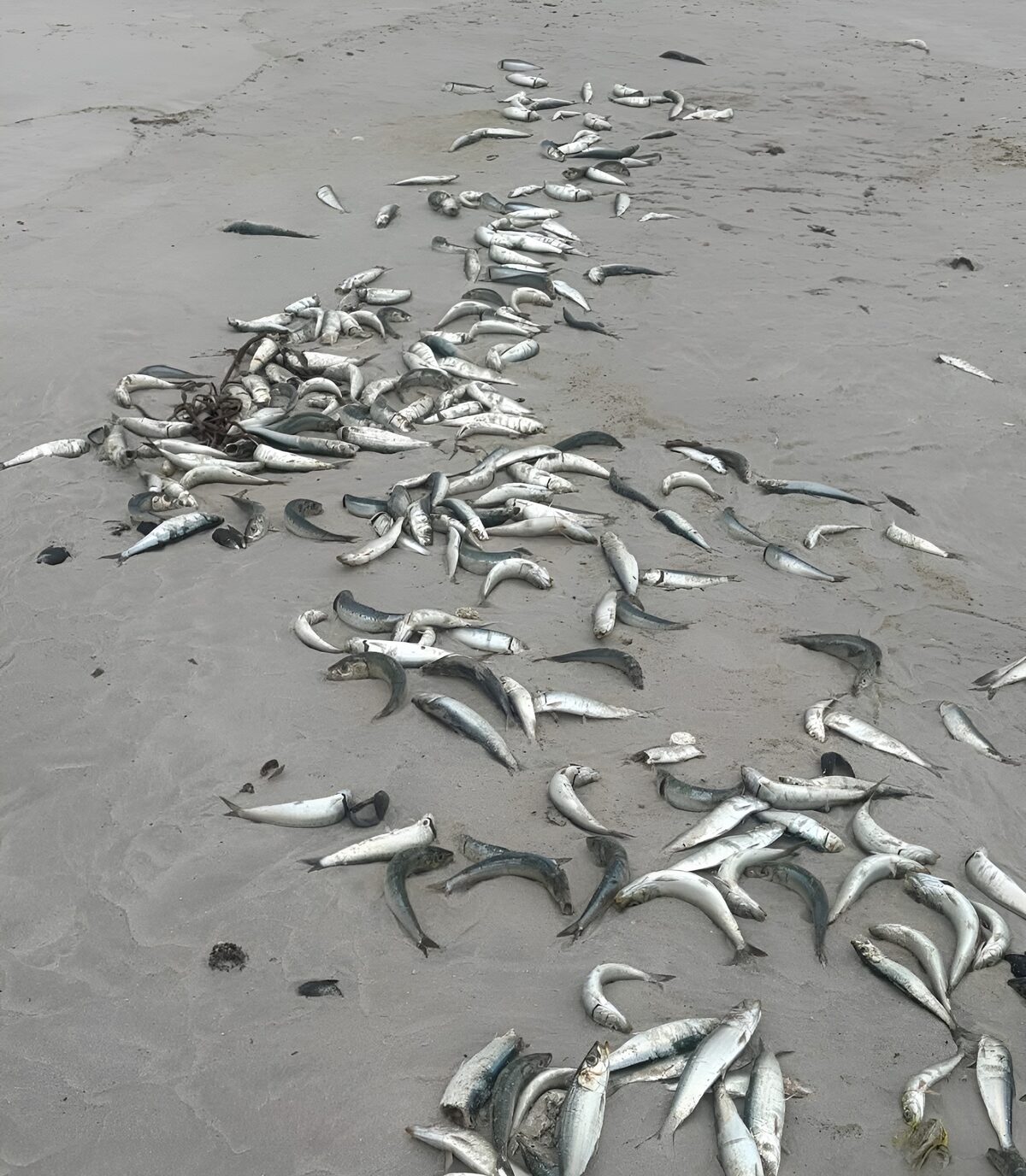

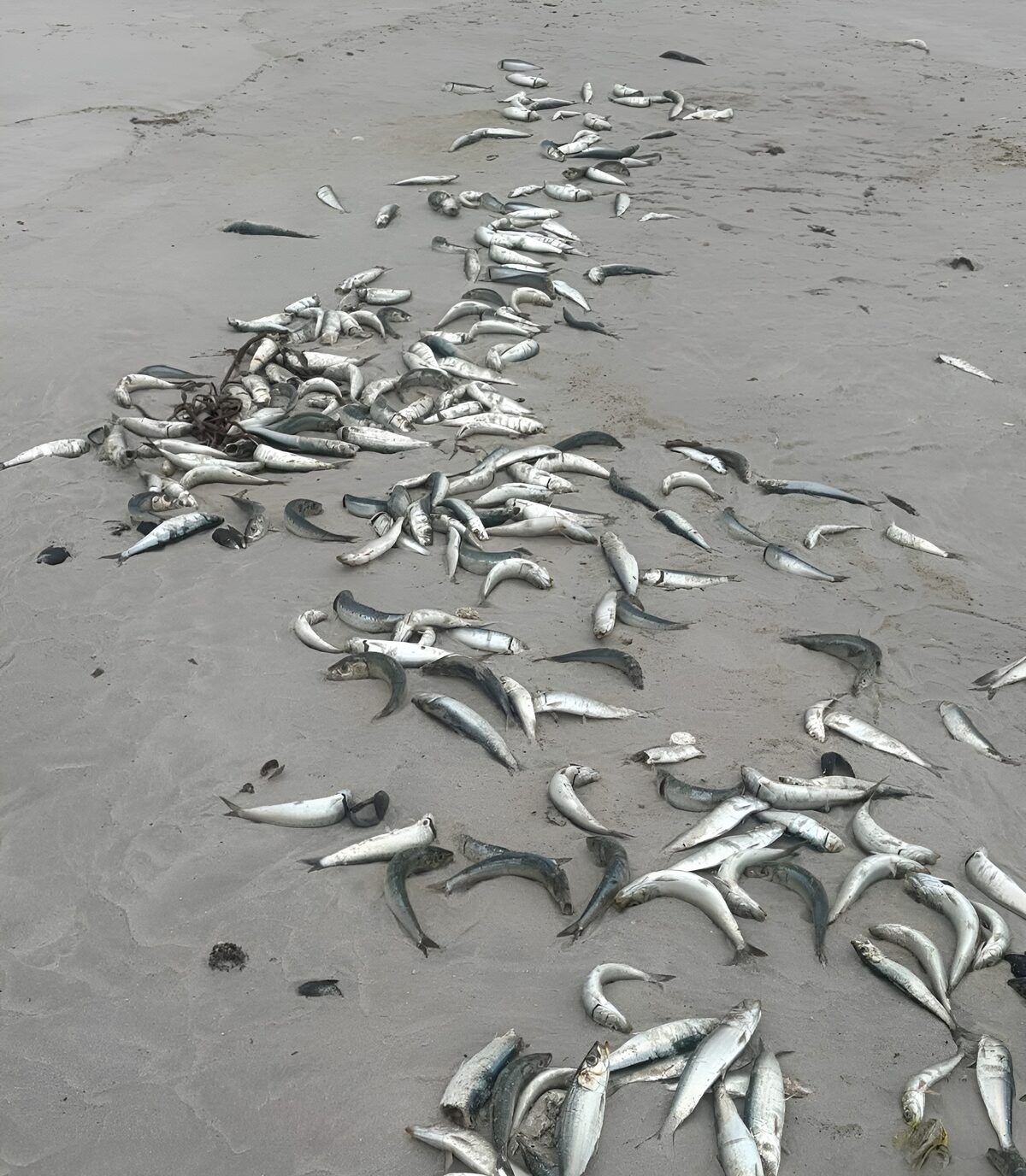
The Department of Forestry, Fisheries and the Environment (DFFE) has established an urgent task team to coordinate a response to the death of thousands of sardines and the discovery of pilchard herpesvirus (PHV).
Consisting of the department, the fishing industry and other stakeholders, the team will investigate the role of the virus, environmental conditions and other possible contributing factors that could have led to the massive die-offs earlier this month.
The DFFE said it is set to expand “disease surveillance along the West, South and East coasts while further disease, pathology and environmental investigations continue.”
And while current ongoing investigations have found PHV in the dead sardines and some of the healthier ones scientists are yet to establish what actually caused the mass deaths. Scientists, researchers and marine experts believe that another factor may have caused, even hastened the deaths. So it could well have been a combination of the virus and the as-yet-unestablished environmental stress that was the cause of the other sardines dying.
Possible environmental contributors
Possible environmental contributors identified were harmful algal blooms, low oxygen levels and unusual ocean conditions, but tests ruled out the paralytic toxins associated with the algal blooms in Saldanha Bay.
Paralytic toxins accumulate in filter-feeding shellfish and can cause severe and life-threatening Paralytic Shellfish Poisoning (PSP) in humans who ingest them. However, these were not found in the sardines, so there is no potential harm to humans.
Therefore, the DFFE said, there is no evidence that the virus infects people or other animals.
Moreover, “the PHV finding alone does not indicate that healthy sardines caught commercially or canned products are unsafe,” it stated. In fact, “it does not justify a general suspension of fishing or canning. Monitoring and normal food-safety controls should therefore continue.
“The [DFFE’s] routine October/November hydroacoustic biomass survey will be the first opportunity to assess the possible effect on the sardine population.”
Mike Copeland, who chairs the South African Pelagic Fishing Industry Association (Sapfia), said the task team will be evidence-led and structured.
“It is going to be structured in a manner that will evaluate the issues in a measured and evidence-based way,” he said, “and any decisions or recommendations that come from it will be based on science as far as possible.”
He added every stakeholder involved in the task team hoped for the best outcome. This can “be achieved only when everybody collaborates and cooperates, and bases decisions on evidence.”
More information on the matter will be made available by the DFFE as results become available.