

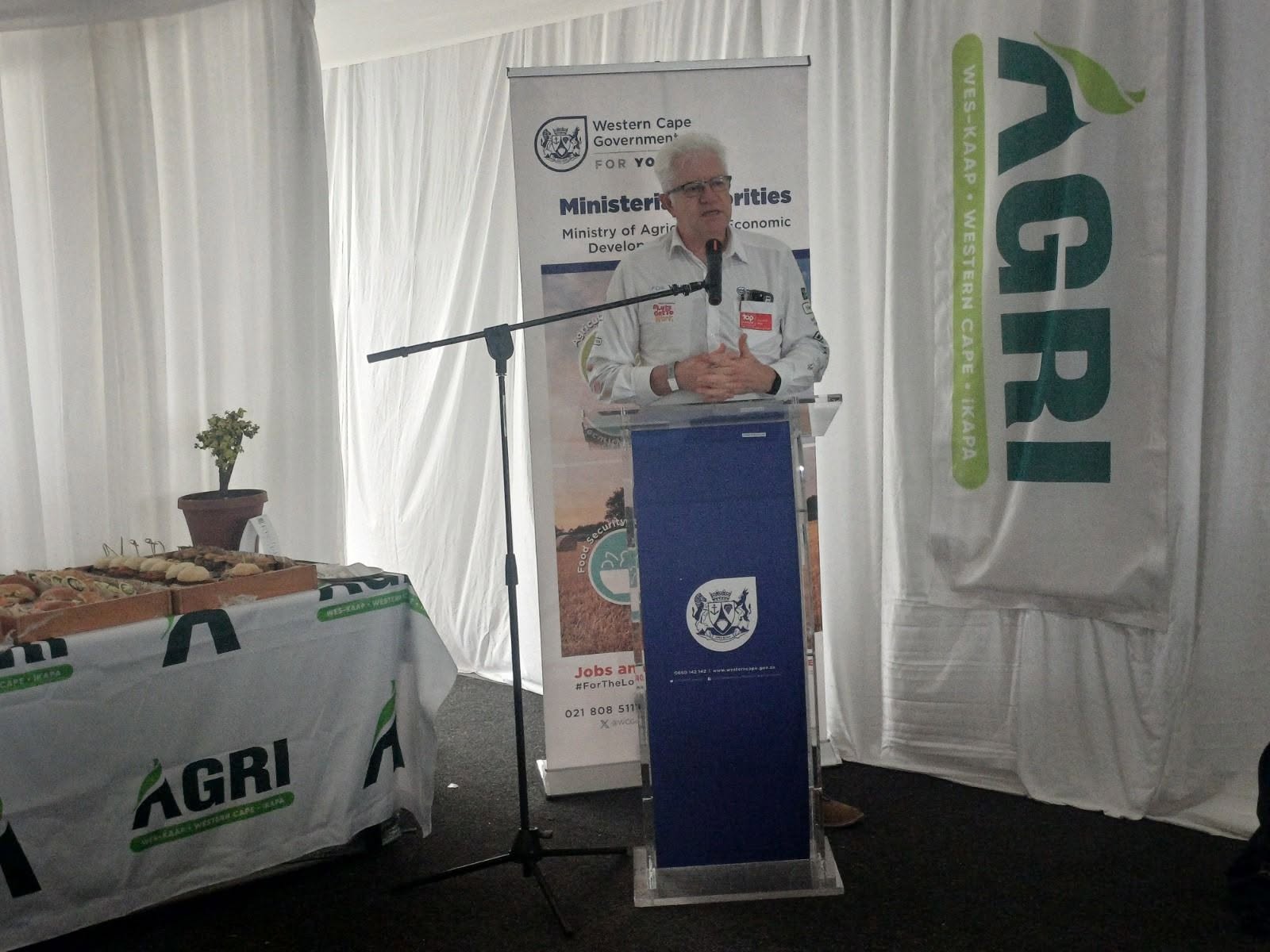
BREDASDORP – Western Cape Premier Alan Winde has urged farmers, agricultural organisations, municipalities and government to prepare now for the potential impacts of a strengthening El Niño Southern Oscillation (ENSO) on the province.
Winde made the call on Friday, 11 September, while addressing Western Cape agriculture sector stakeholders at NAMPO Cape in Bredasdorp.
“For our agricultural sector, preparation cannot wait until summer is upon us,” Winde said.
“Farmers, producers, agricultural organisations, municipalities and our government must all be taking the necessary steps now to reduce risks and protect livelihoods in this critical sector of our economy.”
Planning now could help reduce the risks
The province’s experience in recent years had reinforced the importance of planning ahead for the growing impacts of climate change, including ENSO, Winde said.
ENSO is a global climate cycle driven by changes in ocean temperatures in the Pacific Ocean. While the phenomenon originates thousands of kilometres away, associated changes can influence weather patterns around the world.
According to the Western Cape government, ENSO is currently in an El Niño state and is expected to strengthen over the coming months.
While the most significant impacts of El Niño in South Africa are generally experienced in summer-rainfall regions, the Western Cape can also face associated risks, including higher temperatures, increased wildfire risk and additional pressure on water resources.
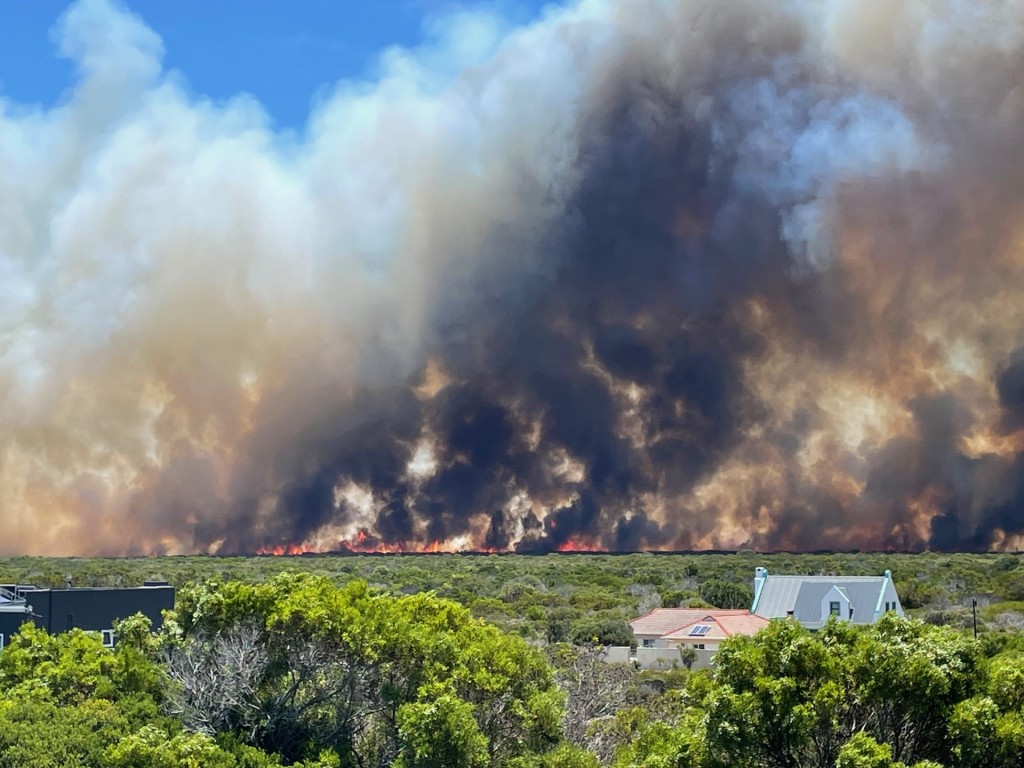
More than 200 000 hectares hit by fires
The province has already experienced the devastating effects of severe fires, with more than 200 000 hectares of land affected by wildfires during the previous fire season.
Winde said preparedness needed to extend across the province and all sectors.
“Whether you are in agriculture, education, healthcare, local government or any other sector, we must all be prepared,” he said.
He urged those living and working in areas with a higher fire risk to take practical steps, including clearing vegetation, maintaining firebreaks, managing biomass and removing invasive alien plants.
Western Cape Minister of Agriculture, Economic Development and Tourism Dr Ivan Meyer echoed the call for preparedness.
Five measures to support the sector
“Our farmers have already demonstrated their ability to adapt to difficult climate conditions, including the severe 2014–2016 drought period,” Meyer said.
He said the current response needed to recognise the seriousness of reduced rainfall, higher temperatures and pressure on water resources.
The Department of Agriculture will implement several interventions in partnership with stakeholders to reduce the impact of ENSO on agricultural production, food security and the provincial economy.
These include strengthening conservation agriculture practices, improving water-use efficiency in irrigated areas and prioritising support for dryland production areas.
The department will also strengthen risk management and preparedness systems and provide support to agricultural workers.
ALSO READ: El niño update: SAWS predicts frequent heatwaves and regional water scarcity




You must be logged in to post a comment.