

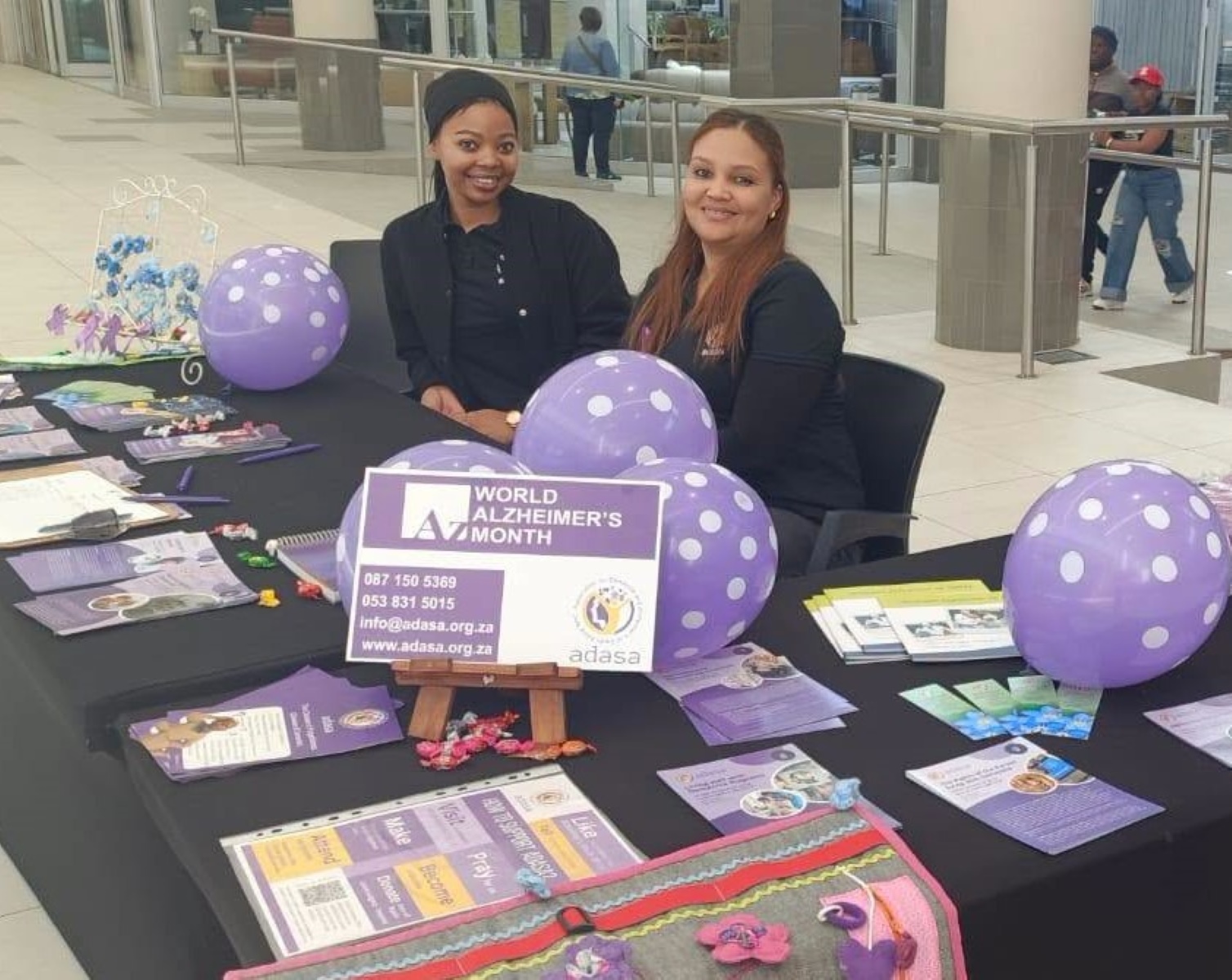
KIMBERLEY – In a gathering that blended personal testimony with practical guidance, caregivers and families affected by dementia received a clear message on World Alzheimer’s Day: you are not alone, and preparation through legal planning can protect both dignity and vulnerable individuals.
At the event on 21 September at the Acacia Retirement Village in Kimberley, attendees learnt that dementia is projected to become the third leading cause of death globally by 2040. Currently, more than 57 million people live with dementia worldwide, with nearly 10 million new cases diagnosed annually.
World Alzheimer’s Day is observed each year on 21 September as the focal point of World Alzheimer’s Month to raise global awareness. This year’s theme, “The earlier you know, the more you can do: A dementia diagnosis matters,” highlights the critical importance of early diagnosis.
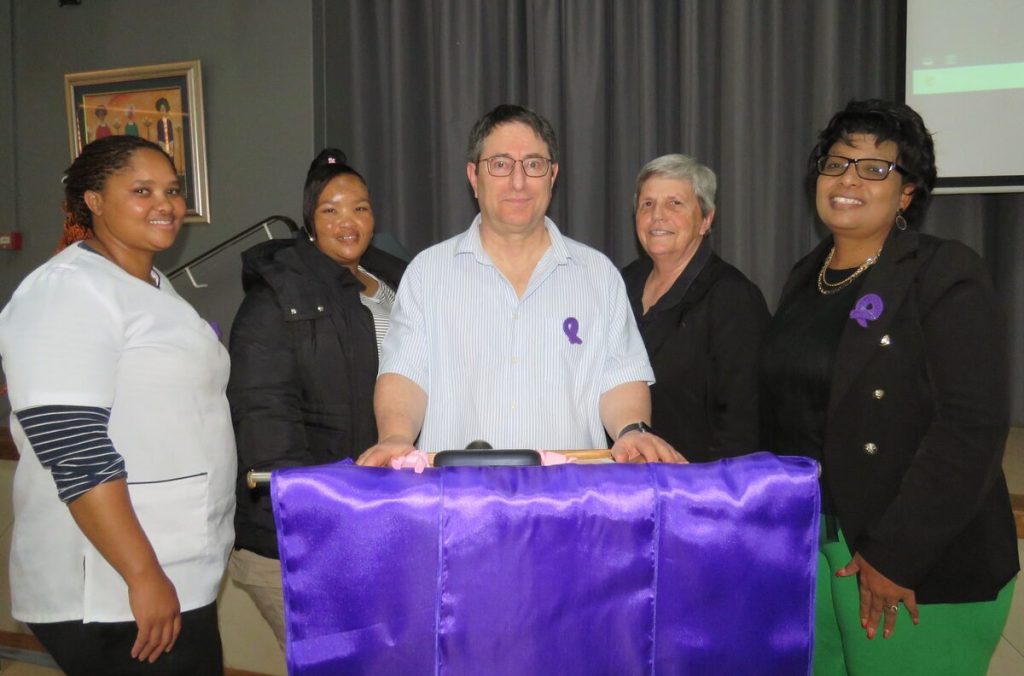
Emsie Malan, regional manager of the Association for Dementia and Alzheimer’s of South Africa (Adasa) in the Northern Cape, delivered a message to the frontline workers of dementia care.
She emphasised that a caregiver can be any person involved in caring for someone with dementia, whether at a retirement village, care centre or private home, where a family member often assumes this role.
Malan stressed that the sooner dementia is diagnosed, the sooner the person can be involved in making their own decisions about the way forward and how care should be executed. Although there is no cure for dementia, promising research is under way.
She referenced Dr Ben Moodie, a Pretoria-based surgeon who in April carried out the continent’s first experimental lymphovenous bypass on an Alzheimer’s patient, showing early signs of improvement, though the procedure remains investigational.
ALSO READ: Engo highlights dementia warning signs in awareness campaign
A judge’s personal testimony
Judge Lawrence Lever shared his family’s unprepared encounter with the disease. “My mother had dementia. We were not prepared for the experience.”
He described how denial complicated other issues and spoke candidly about the adaptation required when someone you love suddenly disrupts your life in unexpected ways.
“Through the whole process, it helped to be in contact with support groups and caregivers,” he said, reinforcing Malan’s message about the importance of support networks.
Judge Lever’s central advice was unequivocal: overcome any denial and be prepared by creating a living will.
A living will is a legal document that states your choices for end-of-life medical care if you become unable to communicate or make decisions for yourself.
This covers life support, resuscitation, nutrition and hydration, pain management and organ donation. A living will applies whilst you are still alive but incapacitated, guiding your ongoing medical treatment.
Protecting dignity and choice
Judge Lever said a living will also protects the patient and other fragile persons from fraud.
Sr Maria Lekhobo, care manager at Acacia, reinforced this message from the practitioner’s perspective. She said a living will protects and respects dignity, and they encourage everyone to have one.
“With a living will in place you make it easier for the caregiver and family when you can no longer decide. There are different views on life and death, make yours clear. A living will is there for those who have to make a decision on you when you can no longer do so,” Lekhobo explained.
ALSO READ: Kennis is mag: Oorwin onkunde oor demensie en Alzheimer se siekte
Exploring new treatments
Moodie said in a news report that the patient shows early signs of improvement, but the procedure is still investigational. The operation is part of an emerging field exploring whether improving neck lymphatic drainage affects brain health.
“The idea that lymphatic surgery could play a role in brain diseases has been discussed over the past three to four years within lymphatic surgery circles. It is not a completely new concept,” Moodie said. “The initial procedure was performed in China as an incidental finding. From there, the technique was further developed and refined in places like Seoul, South Korea, which is the approach we replicated.”
A lack of effective Alzheimer’s treatments had motivated this exploration.
“Alzheimer’s is one of the leading causes of death globally, yet we still don’t have effective answers. Even a small improvement … would already be meaningful.”
He also explained the theoretical basis behind the procedure, saying Alzheimer’s may involve impaired brain waste clearance.
“The brain has a specialised waste clearance system. When it slows down or becomes inefficient, waste may accumulate. In Alzheimer’s, this drainage system may be partially blocked or overwhelmed.”
The lymphovenous bypass aims to improve fluid drainage from the brain via the lymphatic system in the neck, and creates new pathways for fluid outflow, according to Juta Medical Brief.
- Adasa is the South African representative of Alzheimer’s Disease International and is dedicated to improving the quality of life of people living with dementia and those affected by it.
- Visit adasa.org.za for more information.


You must be logged in to post a comment.