

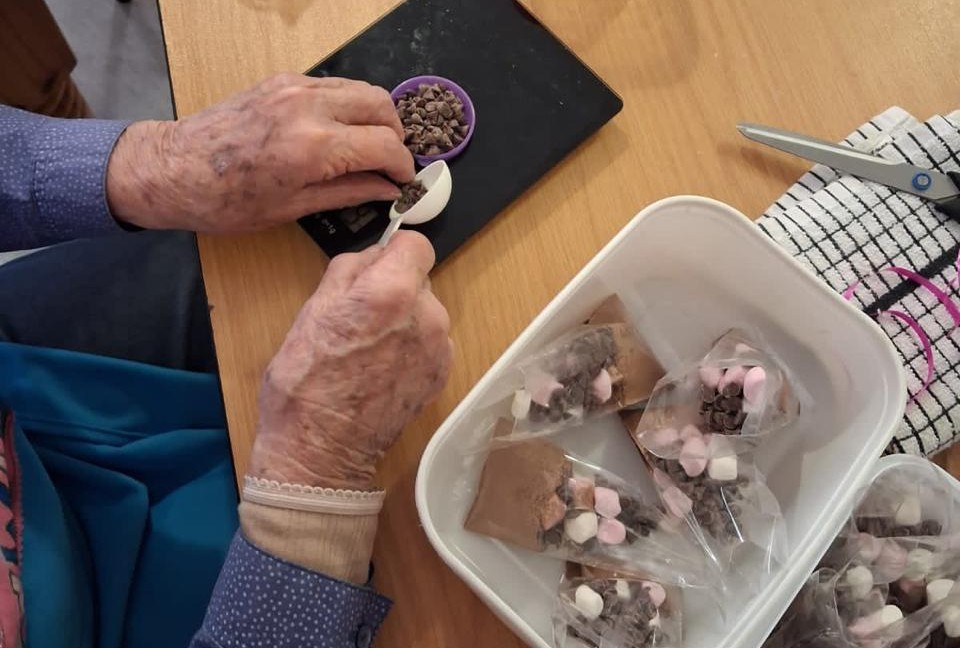
BLOEMFONTEIN – Engo Elderly Care is taking part in the “Go Turquoise for The Elderly” awareness campaign, a South African awareness initiative taking place from 15 May to 15 June.
The campaign focuses on the dignity, wellbeing and support of elderly persons in communities, while also creating awareness around important challenges experienced by older persons on a daily basis.
While dementia is not a normal part of ageing, the risk increases as people grow older.
Dementia is an umbrella term used to describe a group of neurocognitive diseases that affect memory, thinking, behaviour, and the ability to perform everyday activities. Dementia has more than 100 possible causes, with Alzheimer’s disease being the most common form, accounting for approximately 60–70% of all cases. Understanding the early signs and learning how to reduce risk can help individuals and families manage the condition more effectively.
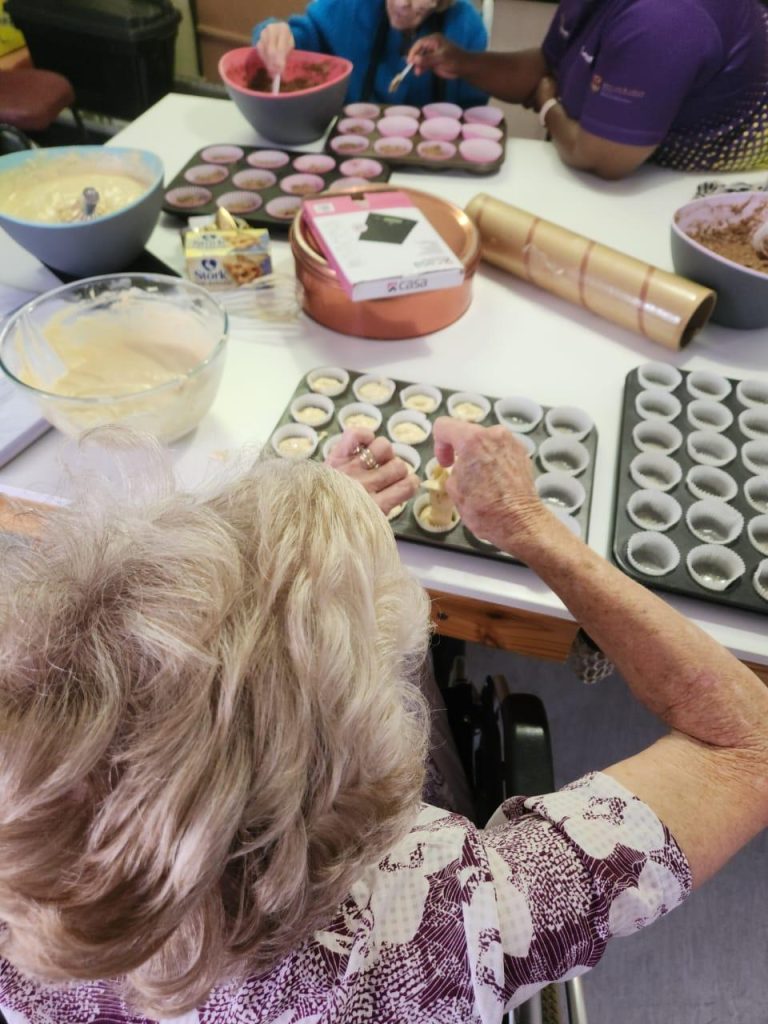
Dementia occurs when brain cells are damaged, affecting how the brain communicates. This damage interferes with memory, judgment, language, and problem-solving abilities. Alzheimer’s disease specifically causes progressive brain changes, including the build-up of abnormal proteins, which slowly destroy brain cells. The condition worsens over time and eventually interferes with basic daily functioning.
Early signs of dementia and Alzheimer’s often develop gradually and may initially be mistaken for normal forgetfulness. However, these symptoms are usually persistent and progressive. Common early warning signs include:
- Memory loss that disrupts daily life, such as forgetting important dates or repeatedly asking the same questions.
• Difficulty planning or solving problems, for example struggling to follow familiar recipes or manage finances.
• Confusion with time or place, such as losing track of dates or getting lost in familiar surroundings.
• Language problems, including trouble following or joining conversations and difficulty finding the right words.
• Poor judgment, such as making unsafe decisions or neglecting personal hygiene.
• Personality or mood changes, including increased anxiety, depression, irritability, or social withdrawal.
Early diagnosis is important because it allows for better planning, treatment, and support.
Tips to help prevent or reduce risk:
Although there is currently no guaranteed way to prevent Dementia or Alzheimer’s disease, research shows that certain lifestyle choices may help reduce risk or delay onset.
- Keep the brain active: Cognitive stimulation helps maintain brain health. Activities such as reading, puzzles, learning new skills, playing musical instruments, and engaging in hobbies can strengthen cognitive function.
• Stay physically active: Regular physical exercise improves blood flow to the brain and reduces the risk of conditions that contribute to dementia, such as high blood pressure, high cholesterol and diabetes. Walking, swimming, and light strength training are beneficial.
• Eat a healthy diet: A balanced diet rich in fruits, vegetables, whole grains, fish, and healthy fats supports brain health. Diets such as the Mediterranean diet have been linked to lower dementia risk.
• Maintain social connections: Social interaction helps reduce stress and supports emotional and cognitive well-being. Staying connected with friends, family, and community groups is important.
• Manage health conditions: Controlling conditions like high blood pressure, cholesterol, diabetes, hearing loss, and depression can lower dementia risk.
Dementia and Alzheimer’s disease present serious challenges, but early recognition and healthy lifestyle choices can make a meaningful difference. By recognizing the early signs and adopting prevention-focused habits, individuals can support brain health and maintain independence for as long as possible.


You must be logged in to post a comment.