CAPE TOWN – Western Cape dam levels have edged lower this week, as the province braces for a hot, dry El Niño summer.
Data released by the Department of Water and Sanitation (DWS) on 1 September shows the province’s overall storage dropped slightly from 79.78% to 79.73%. The Cape Town Water Supply System declined from 76.31% to 75.81%.
Theewaterskloof Dam, the largest in the system, fell from 76.76% to 76.03%.
El Niño warning
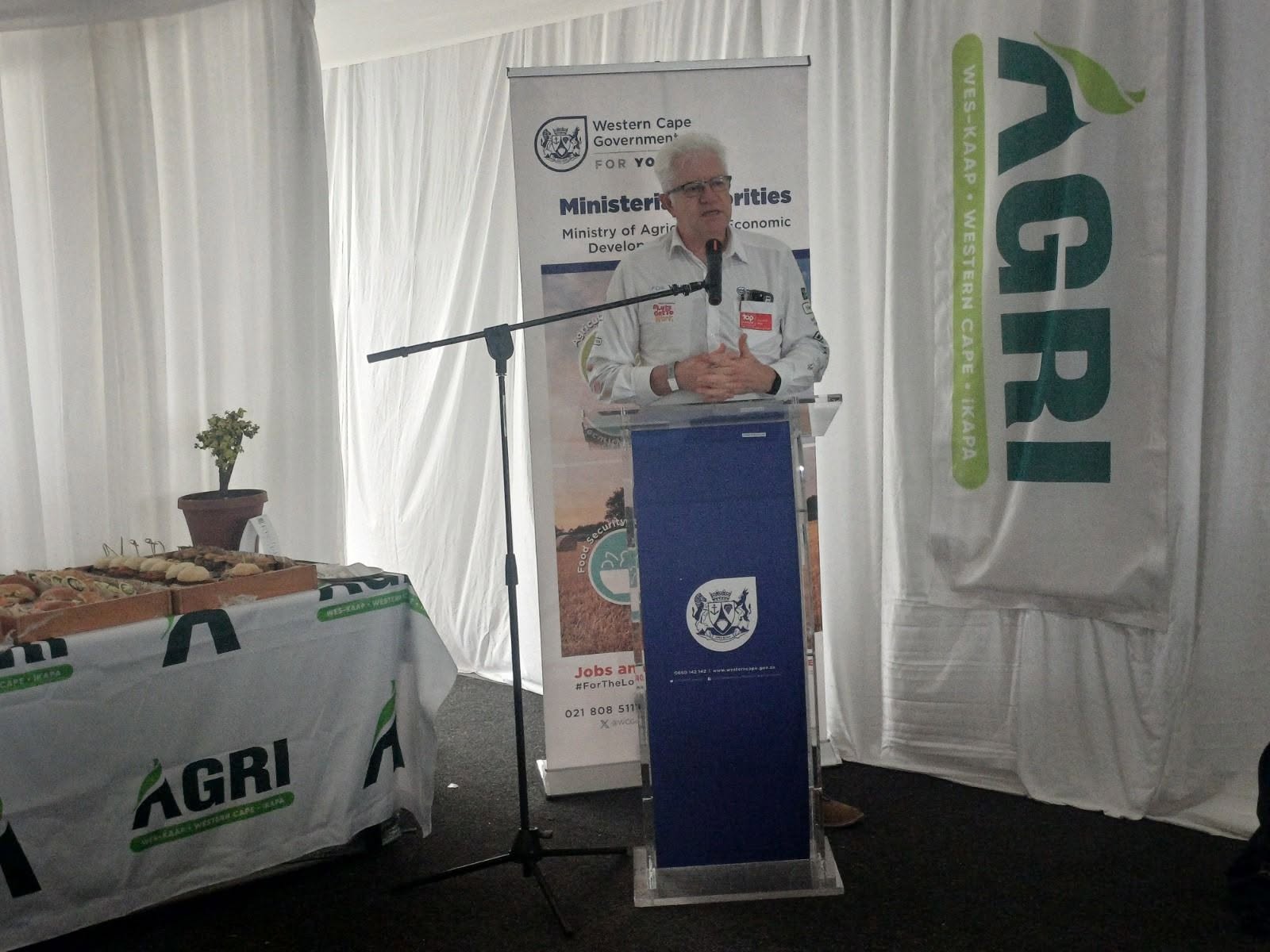
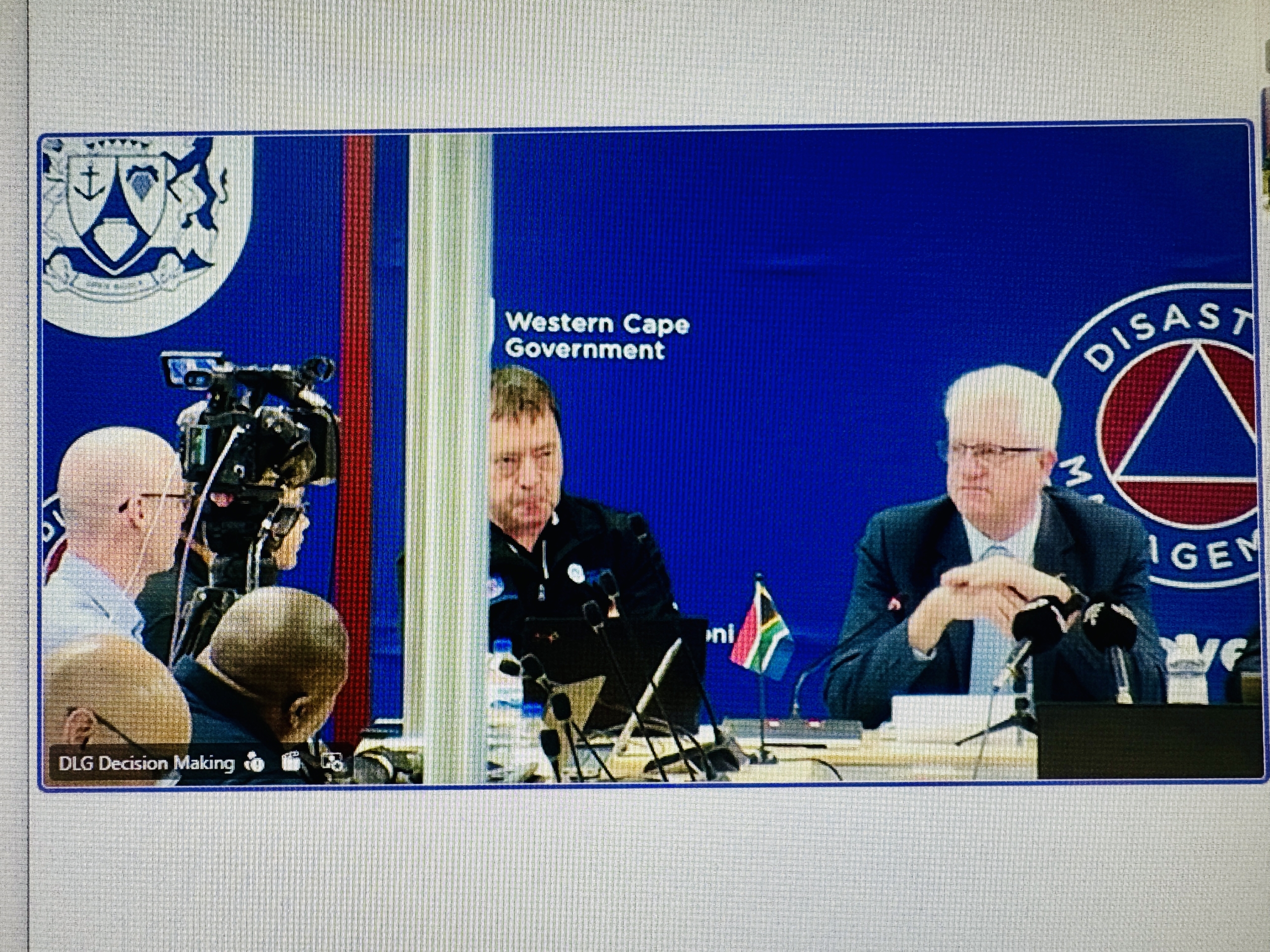
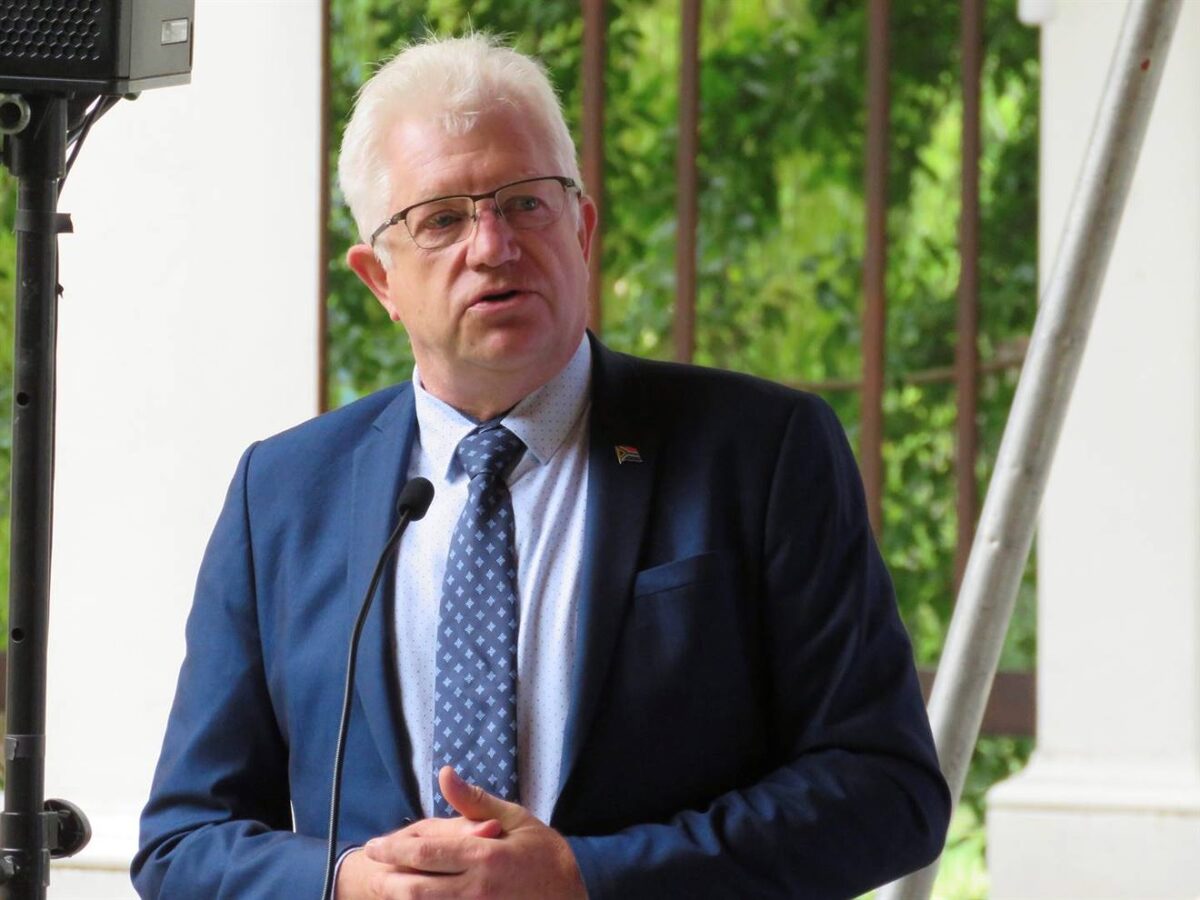
Last week, Premier Alan Winde hosted a digital press conference to outline the risks of the El Niño-Southern Oscillation (ENSO). ENSO is a global climate cycle driven by changing Pacific Ocean temperatures that shifts weather patterns worldwide. It is currently in an El Niño state, which typically brings warmer, drier conditions to the Western Cape and is expected to strengthen over the coming months.
“The Western Cape has learned difficult lessons over the past several months and years; we must all always be prepared for the pressures of climate change and associated risks,” Winde said.
He cautioned that severe flooding in May 2026 did not guarantee water security through summer. The South African Weather Service had flagged lower-than-average rainfall for the province.
Dam levels are about 5% lower than at the same time last year.
What the numbers show
Several dams remain well below last year’s levels. Voëlvlei is at 59.96%, compared with 99.52% last year a drop of nearly 40 percentage points. The Berg River Catchment, which measures the broader river system rather than a single dam, is at 75.98%, down from 98.60%.
Some dams have improved. Steenbras Upper rose from 89.82% to 92.96%, while Steenbras Lower increased from 49.63% to 51.32%. In the Garden Route, Akkerkloof Dam rose from 60% to 62.6%.
Clanwilliam Dam is at 95.55%, down slightly from 95.73% last week but well above the 80.44% recorded at the same time last year.
Dam levels can exceed 100% during heavy rain, when inflow outpaces the rate at which water spills over the dam wall. Steenbras Upper was at 102.26% this time last year.
Fire and water risks
Anton Bredell, Western Cape Minister of Local Government, Environmental Affairs and Development Planning, said the fire season had been extended from four to eight months. The province has allocated R12 million for the 2026/27 fire season, with 24 firefighting aircraft on standby.
To bolster water security, the province has committed more than R65 million. This includes R40.5 million through the Water Resilience Grant for municipalities and R25.2 million for groundwater projects.
“Preparedness cannot begin when the first major wildfire breaks out, or when water systems come under pressure, or when a prolonged heatwave starts affecting vulnerable communities,” Bredell said. “By then, we are already responding to a crisis.”
No restrictions yet, but caution urged
No formal water restrictions are in place in Cape Town. They have not been in effect since November 2020, according to the City’s website.
However, the City’s weekly water dashboard lists the current status as “early drought caution”, noting that rainfall since May 2026 has been lower than expected. DWS will assess whether restrictions are needed at a review in November.
DWS has urged residents, businesses and industries to use water responsibly and avoid unnecessary consumption.
“Where you live matters and if you know that there is a fire risk in your area, now is the time to prepare,” Winde said.
Individual dam levels (1 September 2026)
| Dam | This week | Last week | Last year |
|---|---|---|---|
| Theewaterskloof | 76.03% | 76.76% | 86.82% |
| Steenbras Upper | 92.96% | 89.82% | 102.26% |
| Steenbras Lower | 51.32% | 49.63% | 100.42% |
| Voëlvlei | 59.96% | 60.62% | 99.52% |
| Berg River Catchment* | 75.98% | 76.22% | 98.60% |
| Wemmershoek | 93.11% | 95.14% | 93.02% |
| Clanwilliam | 95.55% | 95.73% | 80.44% |
| Akkerkloof | 62.60% | 60.00% | — |
ALSO READ: El Niño: Western Cape outlines summer disaster readiness