

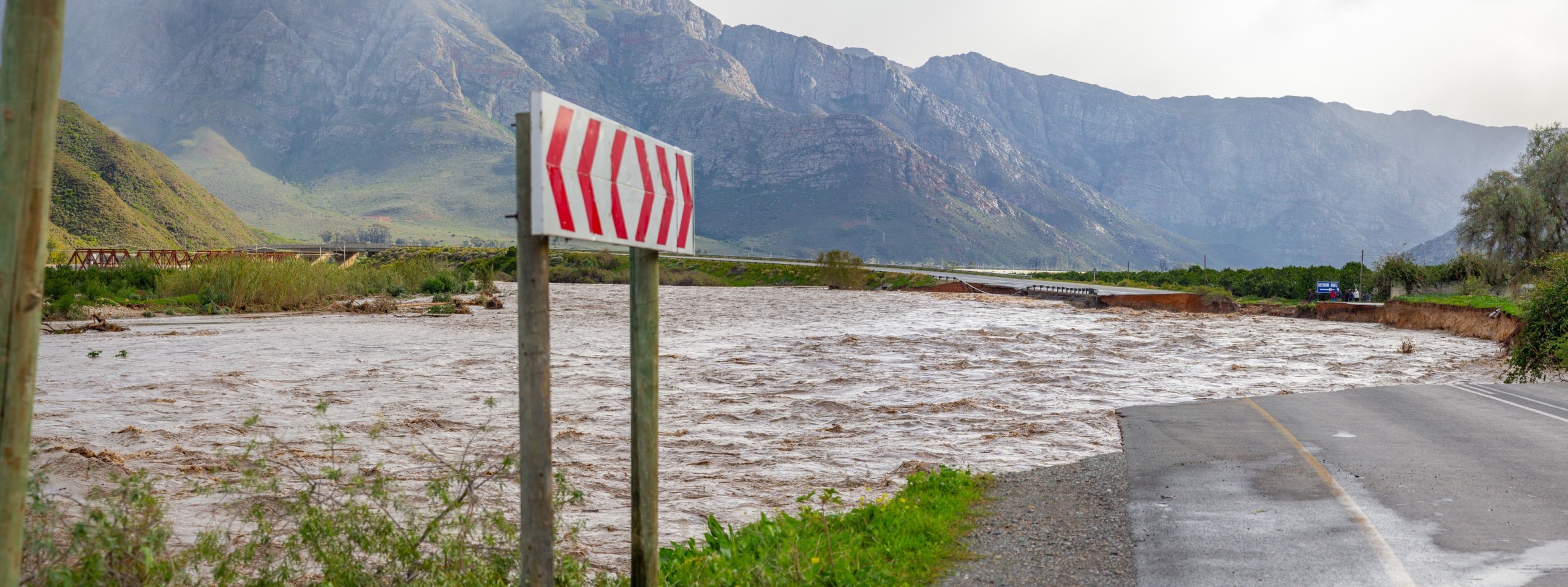
The Western Cape’s water reserves have maintained their recovery momentum, with dam levels continuing to rise two weeks after devastating floods claimed 11 lives and displaced nearly 90 000 people across the province.
The combined Cape Town water system now stands at 71.3%, up from 70.1% last week and significantly higher than the 58.6% recorded during the same period in May 2025, marking a 12.7% improvement year-on-year.
Provincial dam levels reached 71.4% this week, compared with 70.6% seven days ago and 54.8% during the same period last year, demonstrating sustained recovery following the intense cold fronts that battered the region between 10 and 12 May.
Theewaterskloof Dam, the province’s largest dam, continued its steady climb to 72.2% capacity, up from 71.5% last week. The dam, which has a capacity of 479 million cubic metres, now sits well above its 2025 level of 58.5%.
Wemmershoek Dam recorded one of the most notable improvements this week, rising from 92.9% to 95.3% capacity. The dam has more than doubled its storage levels compared to last year, when it stood at just 50.4%.
Voëlvlei Dam showed encouraging gains, climbing from 56.6% to 59.1% this week, now marginally higher than last year’s level of 58.3%.
Steenbras Upper Dam experienced the most dramatic weekly increase among major facilities, surging from 68.9% to 79.7% capacity. However, Steenbras Lower Dam declined slightly from 53.1% to 51.4%, though it remains above last year’s level of 37.7%.
Berg River Dam showed a marginal decrease from 77.8% to 77.1% this week but continues to perform significantly better than the 62.3% recorded in 2025.
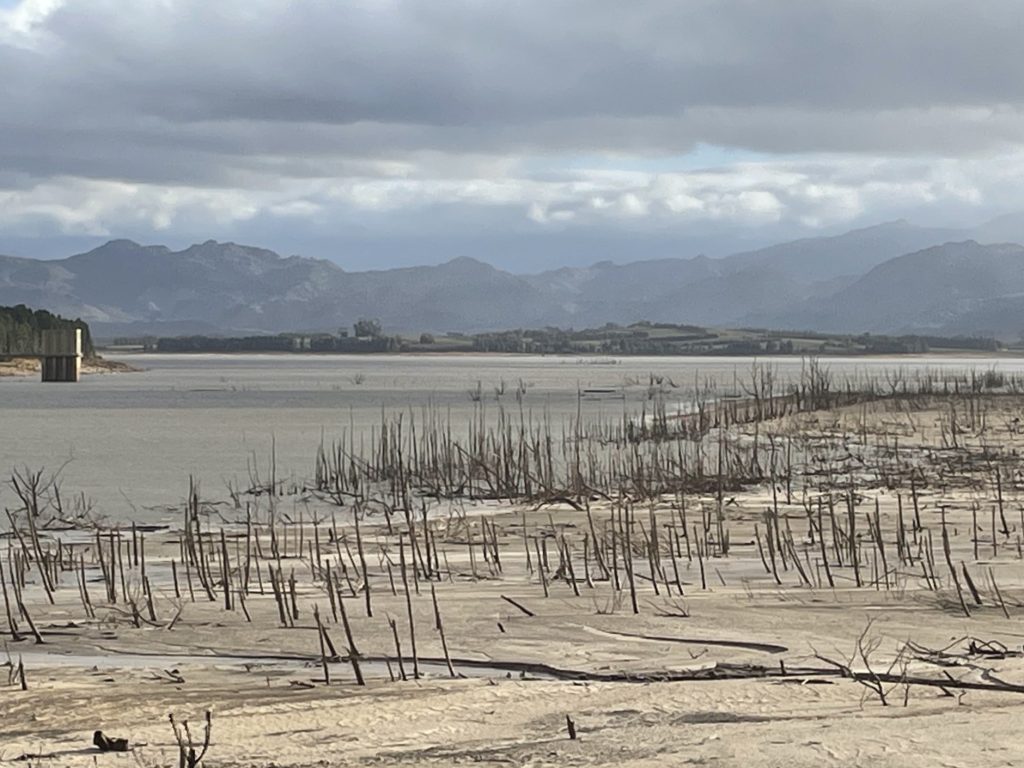
The Garden Route region, crucial for tourism and agriculture, saw its water reserves increase from 88.8% to 90.5%, though this remains below the 92.7% recorded during the same period last year.
Catchment area performance presented a mixed picture this week. The Berg River catchment improved from 69.3% to 71.0%, whilst the Breede River catchment rose from 62.5% to 63.4%.
The Gouritz River catchment maintained exceptionally high levels, climbing from 96.7% to 98.1%, well above the 71.8% recorded in 2025.
However, the Olifants/Doorn River catchment experienced a notable decline from 87.4% to 83.0% this week, though it remains substantially higher than the 30.7% level recorded last year.
The continued improvement in dam levels comes as relief operations persist across flood-affected areas. The devastating weather events recently resulted in widespread damage, with more than 10 000 structures affected and 26 informal settlements flooded.
ALSO READ: Western Cape dam levels show alarming decline: 2025 levels drop significantly
The City of Cape Town bore the brunt of the crisis, with 85 512 people affected across 22 146 homes. Areas including Qandu Qandu in Khayelitsha, Overcome Heights and Vygieskraal were among the hardest hit communities.
Water authorities continue to monitor water quality concerns following the influx of mud, debris and sediment into key dams during the flooding. The sediment impact reduced production capacity at water treatment plants, though tap water has remained safe to drink.
Early in 2026, the City of Cape Town entered an early warning phase regarding water security, with dam levels having declined to concerning levels before the May rainfall. The dramatic turnaround has eased immediate concerns, though officials stress the importance of continued vigilance.
The year-on-year comparison reveals the extent of the improvement. During the same period last year, the Western Cape experienced dry weather with sparse rainfall, contributing to steady declines in water storage. This year’s intense rainfall has reversed that trend, pushing most facilities well above their 2025 levels.
ALSO READ: Western Cape dams surge following last weeks devastating rainfall


You must be logged in to post a comment.