

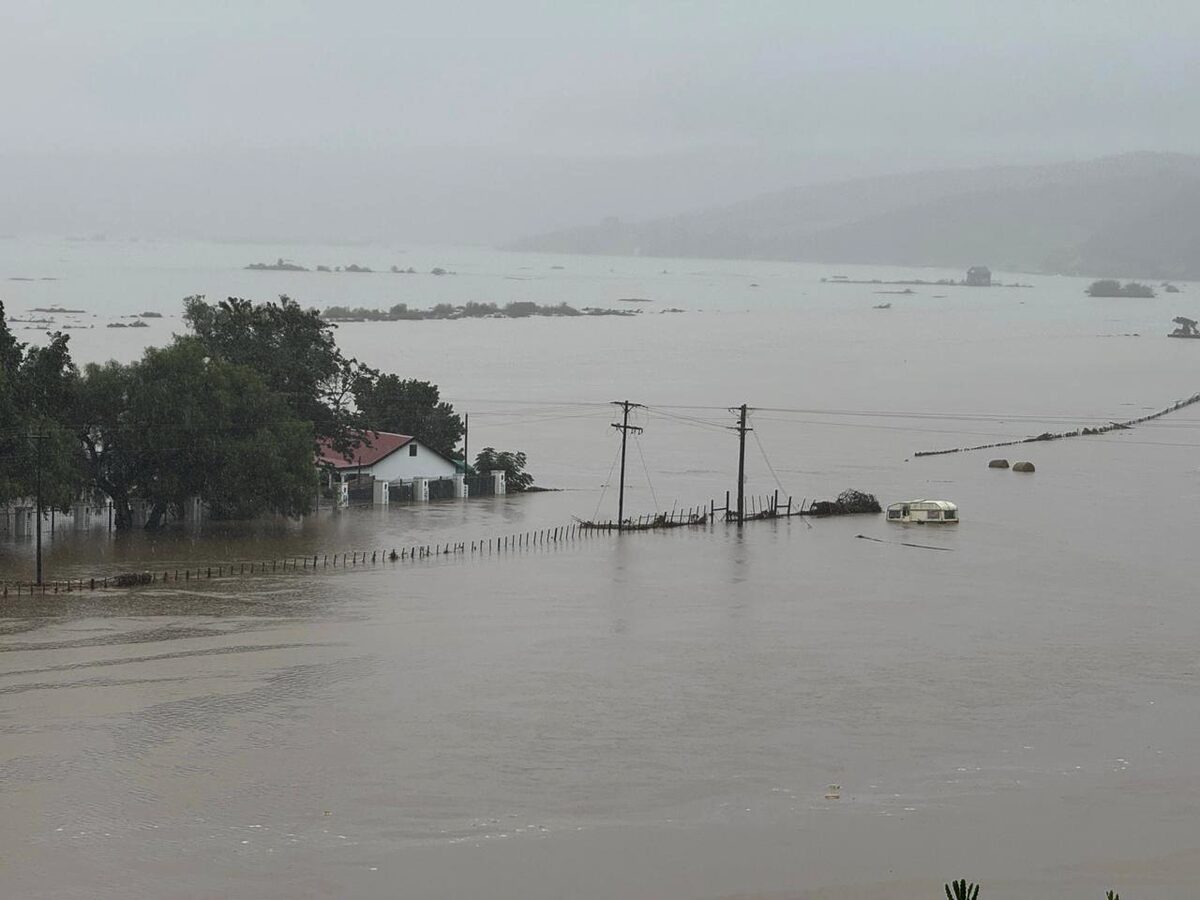
Heavy rains that brought chaos and flooding to parts of the Western Cape have delivered much-needed relief to the province’s water reserves, with dam levels rising dramatically across all major catchment areas.
The combined Cape Town water system jumped from 50.5% to 70.1% capacity in just one week, marking a significant 19.7% increase following intense cold fronts that struck the region between 10 and 12 May.
Provincial dam levels now stand at 70.6%, up from 52.5% the previous week and considerably higher than the 54.6% recorded during the same period in May 2025.
The surge in water reserves comes as welcome relief for authorities who had expressed concerns about declining dam levels throughout the year, with various areas having been placed under water restrictions.
Theewaterskloof Dam, the province’s largest water storage facility with a capacity of 479 million cubic metres, experienced one of the most substantial increases. The dam rose from 49.5% to 71.5% capacity, surpassing last year’s May levels of 58.8%.
Other key dams serving Cape Town also showed significant improvements. Berg River Dam climbed from 52.7% to 77.8%, whilst Wemmershoek Dam recorded the most dramatic increase, jumping from 54.6% to 92.9% capacity.
The Voëlvlei Dam, which showed modest gains from 51.8% to 56.6%, remains slightly below its May 2025 level of 57.7%. Both Steenbras dams also benefited from the recent rains, with the upper dam rising to 68.9% and the lower dam reaching 53.1%.
Catchment areas across the province experienced varying levels of improvement. The Olifants/Doorn River catchment showed the most remarkable recovery, surging from 25.9% to 87.4% capacity. The Gouritz River catchment, already at high levels, increased from 88.8% to 96.7%.
The Garden Route region, crucial for tourism and agriculture, saw its water reserves rise modestly from 84.7% to 88.8%, though this remains below the 93.9% recorded in May 2025.
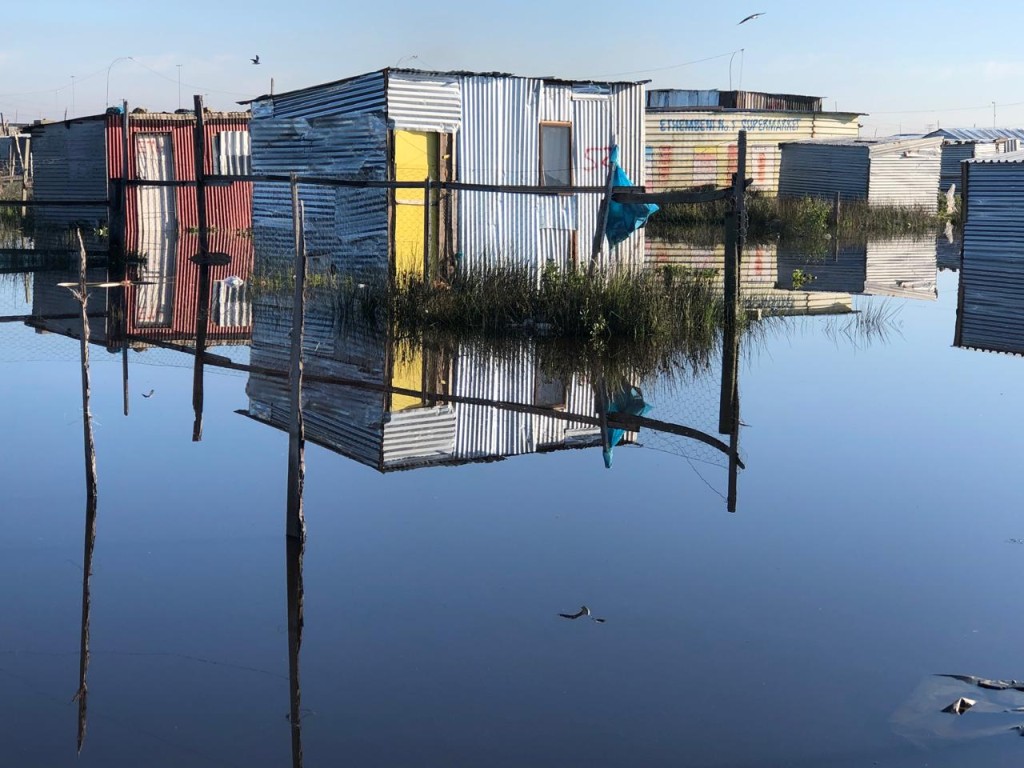
However, the rainfall that brought this water relief also caused widespread devastation across the Western Cape. At least 11 people lost their lives, with nearly 90 000 residents displaced and more than 10 000 structures damaged.
The City of Cape Town bore the brunt of the displacement crisis, with 85 512 people affected across 22 146 homes. Informal settlements including Qandu Qandu in Khayelitsha, Overcome Heights and Vygieskraal were among the hardest hit.
Agriculture also suffered significant losses, particularly in the Robertson Wine Valley where vineyards, infrastructure and wine stock sustained major damage. Tulbagh and Elgin fruit farmers have also reported massive losses in their orchards.
Despite the substantial increase in dam levels, water authorities have issued caution about water quality concerns. The influx of mud, debris and sediment into key dams has reduced production capacity at water treatment plants, prompting intensified quality monitoring.
ALSO READ: Parts of the Overberg without electricity and water for nearly five days
The South African Weather Service had issued multiple severe weather warnings, including a rare Level 8 alert for disruptive rainfall and flooding in municipalities including Drakenstein, Stellenbosch, Theewaterskloof, Breede Valley and Witzenberg.
Rainfall totals exceeded 100mm to 200mm in many areas, with mountainous regions potentially receiving up to 300mm during the three-day period. Gale-force winds reached speeds of up to 120km/h, adding to the destruction.
ALSO READ: Death toll after severe weather conditions rises to 10
The dramatic improvement in water reserves offers hope for authorities who had been monitoring declining levels throughout 2026. Early in the year, the City of Cape Town entered an early warning phase regarding water security, though officials stressed the region was not facing a Day Zero scenario.
Water restrictions that had been implemented in various parts of the province may now be reviewed in light of the improved dam levels, though authorities continue to urge conservation measures.
The contrast with May 2025 conditions is stark. During that period, the Western Cape experienced dry weather with sparse rainfall, contributing to steady declines in water storage across most facilities.
While the recent rainfall has provided crucial water security benefits, the human and economic cost of the extreme weather events highlights the province’s vulnerability to climate-related disasters.
Emergency services continue relief operations across affected areas, with disaster management teams coordinating efforts to assist displaced families and assess infrastructure damage.
ALSO READ: Cape Town urges residents to save water after storms disrupt treatment plants


You must be logged in to post a comment.