

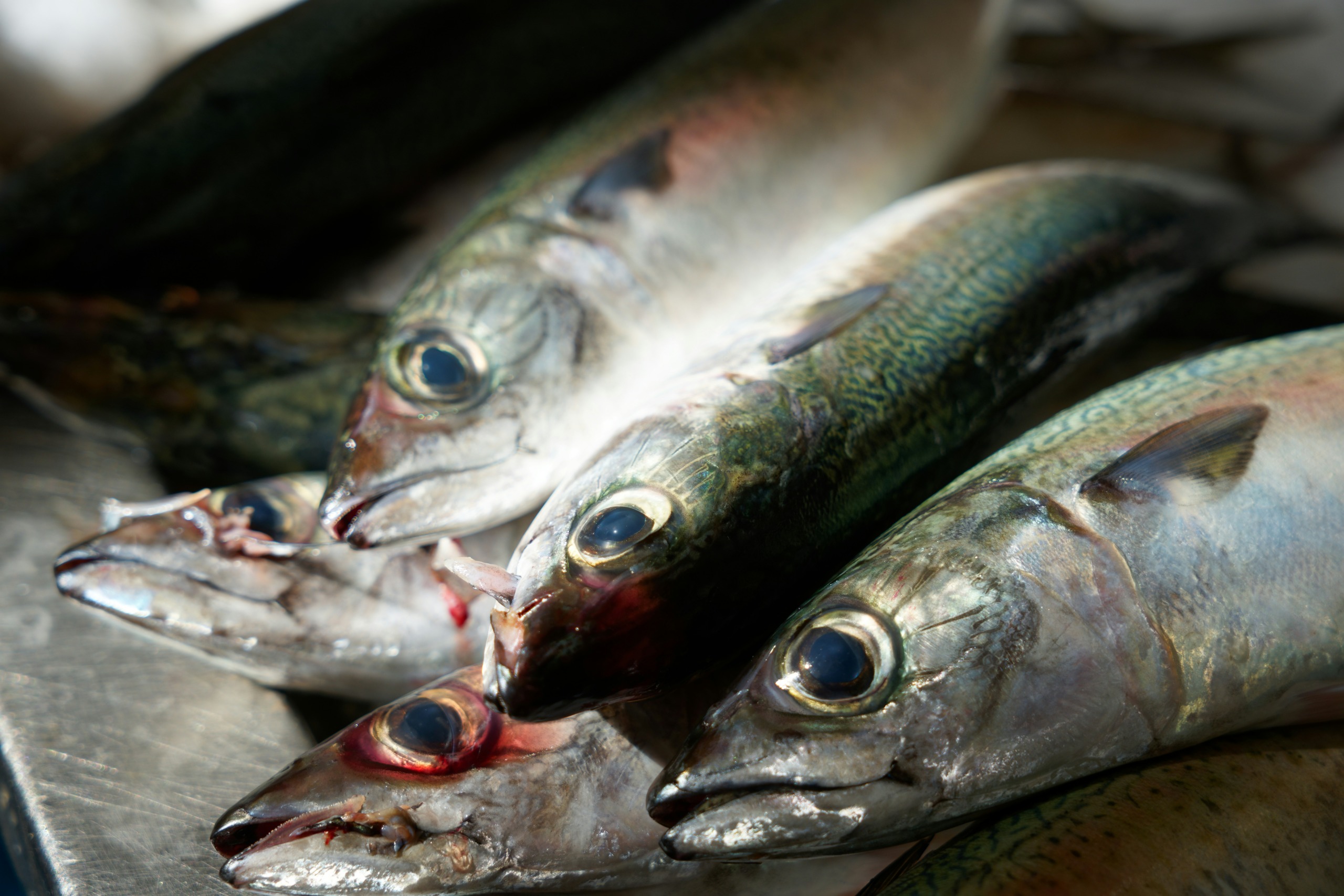
Laboratory tests show pilchard herpesvirus occurs substantially more frequently in dead and sick sardines than in healthy fish, pointing to the virus as a key factor in the mass sardine mortality event that struck South Africa’s coastline in 2026.
The Department of Forestry, Fisheries and the Environment (DFFE) says the emerging diagnostic pattern shows that pilchard herpesvirus (PHV) has been detected substantially more frequently in affected or dead sardines than in apparently healthy fish. This strengthens the association between the virus and the mortality event that took place between late July and early September along approximately 2 600 km of South Africa’s coastline, from Hentiesbaai to the northern Wild Coast.
“The emerging diagnostic pattern shows that PHV has been detected substantially more frequently in affected or dead sardines than in apparently healthy fish, strengthening the association between the virus and the mortality event,” the DFFE said in a media statement on Sunday 25 October.
Further testing, quality-control work and sequence confirmation are continuing to clarify the timing, geographic distribution and epidemiology of PHV.
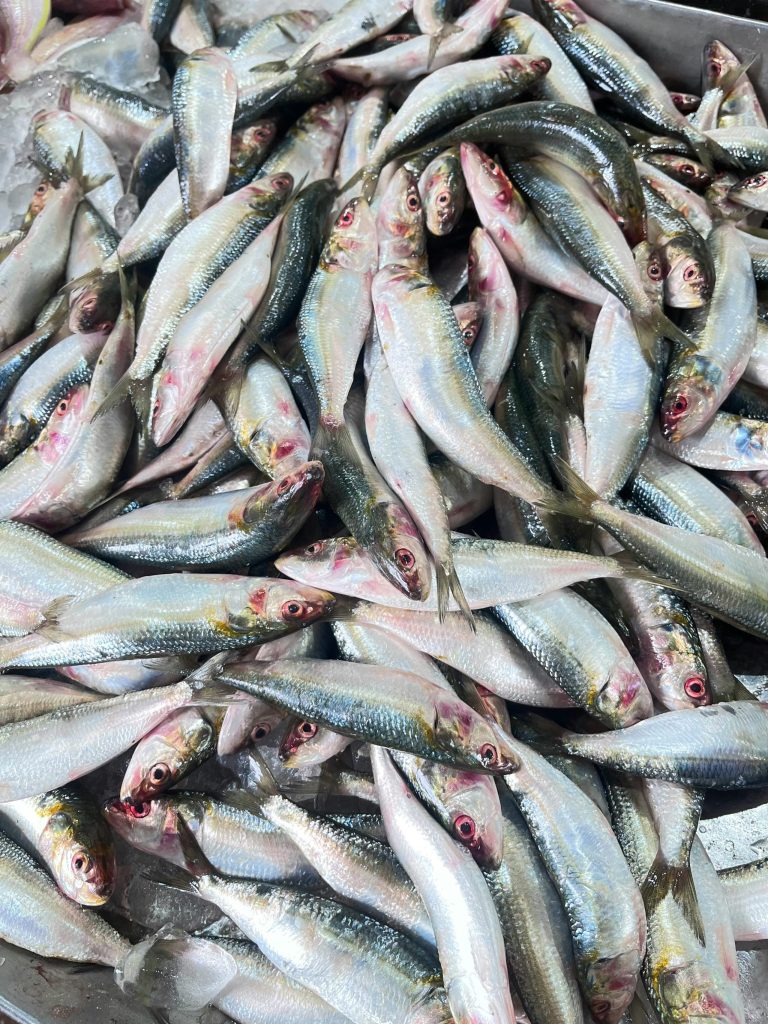
Romeio Paul | Unsplash
History of the outbreak
The DFFE confirmed in September that PHV had been detected in dead South African sardines for the first time. Scientists confirmed the virus through polymerase chain reaction (PCR) testing and sequencing in sardines from several locations, including Gqeberha. By 28 August, approximately 160 samples had been submitted, of which about 128 had been processed.
PHV is a fish virus that in previous outbreaks in Australia and New Zealand caused gill damage and inflammation, leading to breathing problems and mass deaths. The virus is not known to infect people, and commercial sardine products released through regulated channels remain safe to eat.
The South African Institute for Aquatic Biodiversity (SAIAB) also confirmed the presence of PHV in a sardine sample collected on 1 September at Port St Johns, extending confirmed PHV occurrence in mortality-associated sardines to the northern Wild Coast.
Latest developments
The DFFE reported on 25 October that there are no indications of a recurrence of the widespread sardine mortality observed between late July and early September 2026.
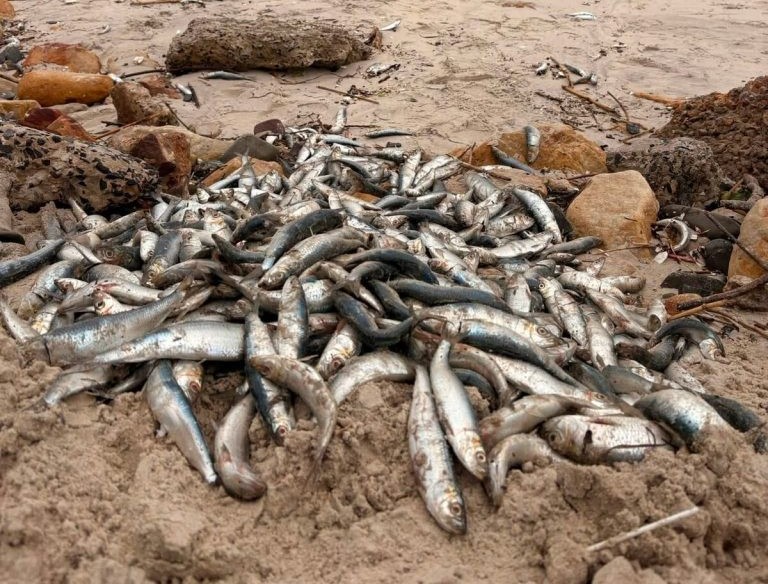
On 23 October 2026, a small number of juvenile sardines, measuring less than 5 cm, washed up sparsely along approximately 200 m of beach near Mossel Bay. Samples were collected for PHV testing. Surrounding beaches were inspected, but no further wash-ups were found. It is not yet known whether this occurrence is related to the earlier mortality event.
Small, isolated wash-ups occur periodically for various reasons, and the DFFE stresses that the latest incident at Mossel Bay does not necessarily signal a repeat of the mass mortalities.
What happens next
The Small Pelagic Scientific Working Group will meet on Tuesday 27 October to consider the latest mortality reports, diagnostic results, fishing and catch information, predator monitoring information and preparations for the end-of-year survey. The temporary precautionary limitation on directed sardine catches remains in force until 30 October.
Preparations for the end-of-year hydroacoustic survey are continuing. The survey will provide the first fisheries-independent estimate of sardine biomass, distribution and size structure following the mortality event. The tender for the charter of a suitable research vessel closed on 23 October, and bid evaluation will begin during the coming week.
This is the first time PHV has been detected in dead South African sardines, and the significantly higher occurrence of the virus in dead fish than in healthy fish is the strongest evidence to date that the virus played a central role in the deaths.
Impact on fishing industry and penguins
Sardine mortality placed pressure on the fishing industry and the critically endangered African penguins. Mike Copeland, chairperson of the South African Pelagic Fishing Industry Association (Sapfia), said earlier in 2026 that it was the industry’s worst year in more than four decades, with catches at less than half their usual levels.
Algoa Bay’s African penguins are particularly vulnerable, as they rely heavily on sardines. About a decade ago, Nelson Mandela Bay had more than 7 000 breeding pairs, but that number has fallen to about 700.
The public is strongly advised not to collect or consume dead or dying sardines found on beaches or near the shore. These fish should also not be fed to animals or used as bait. Any unusual fish mortality should be reported promptly to the relevant coastal authority or DFFE.
ALSO READ: Task team launched after herpesvirus found in dead sardines

You must be logged in to post a comment.