

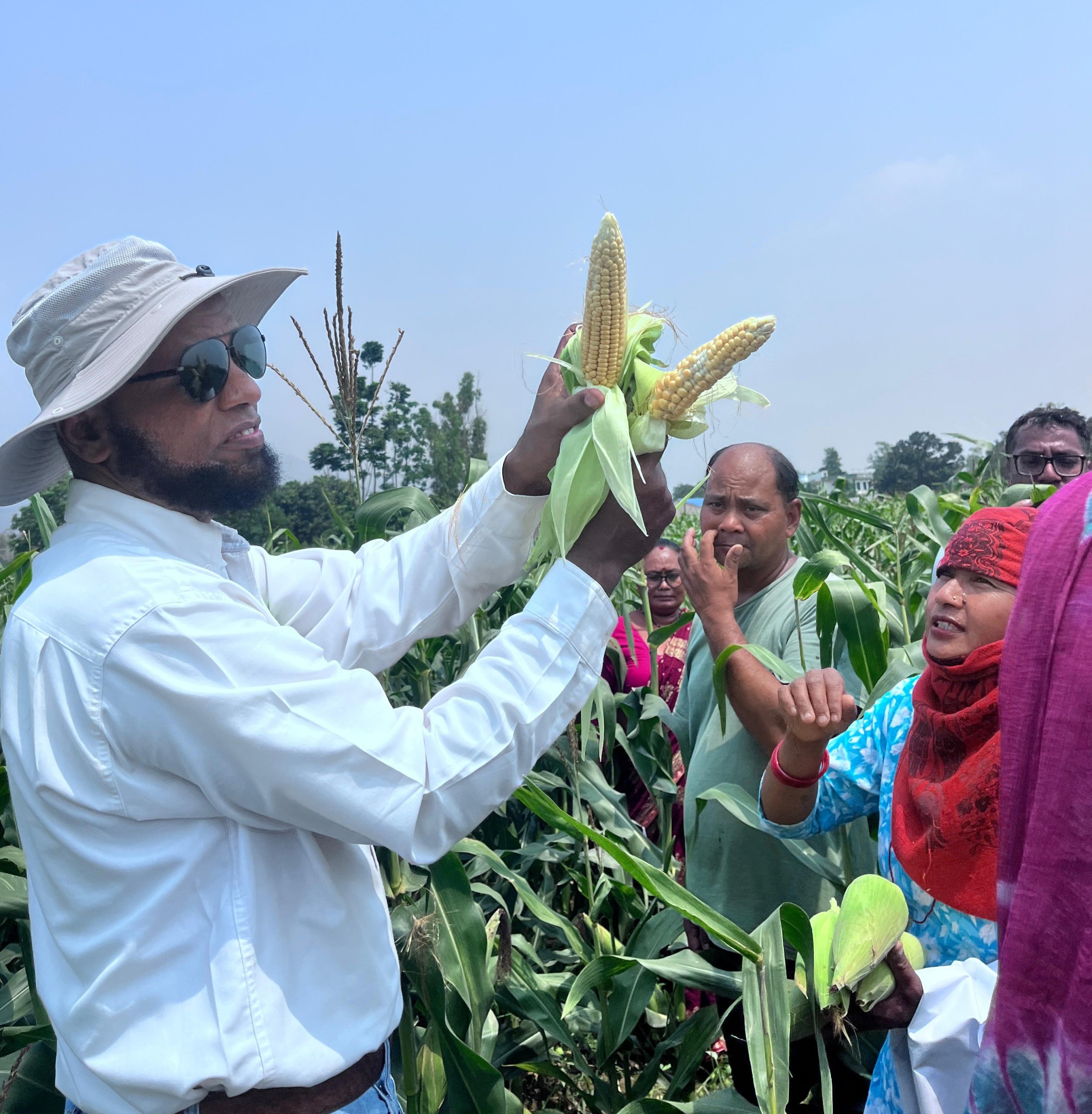
BLOEMFONTEIN – A University of the Free State (UFS) alumnus has been named among 40 global agricultural innovators for his work strengthening seed systems across Asia and Africa.
Dr AbduRahman Beshir Issa has been recognised as one of the 2026 Top Agri-food Pioneers by the World Food Prize Foundation. The programme honours individuals from 30 countries who are advancing agriculture and food systems.
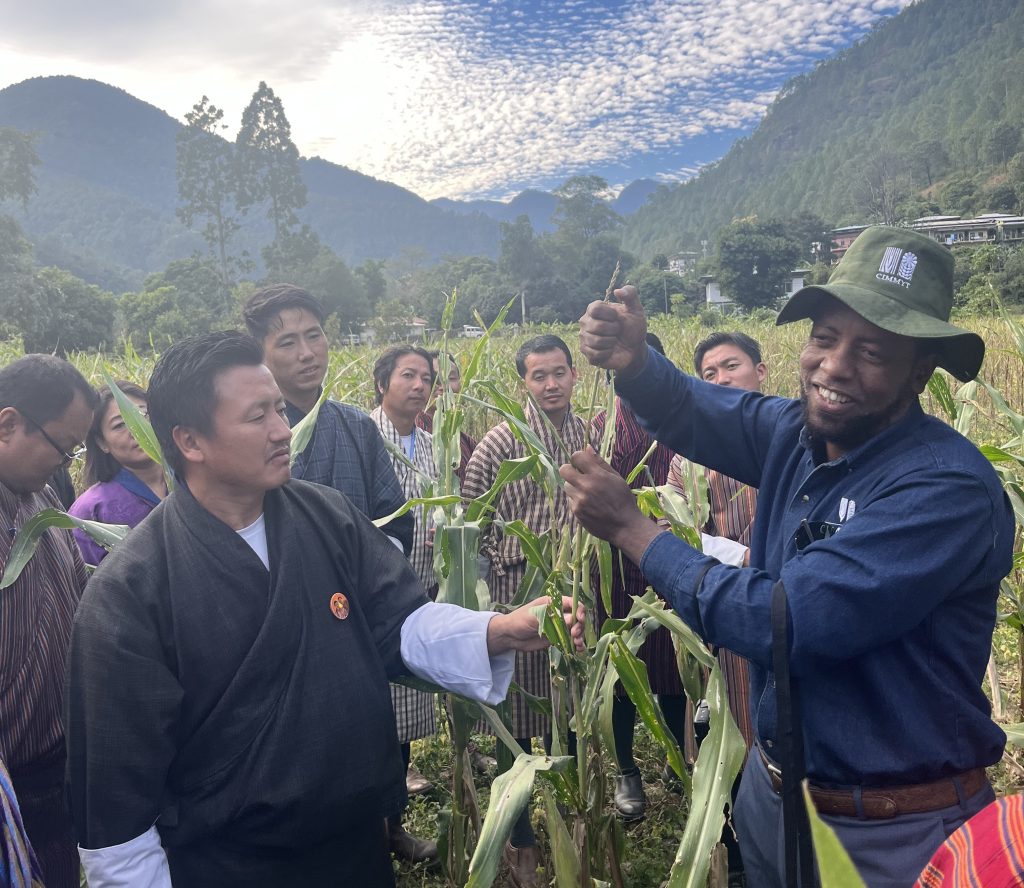
Beshir, who completed his PhD in plant breeding at the UFS in 2013, now serves as Seed Systems Lead for Asia at the International Maize and Wheat Improvement Centre (CIMMYT). His nearly three-decade career has focused on connecting scientific research with practical solutions for farmers.
“The most meaningful aspect of the recognition is that it goes beyond individual scientific achievement. It recognises efforts to translate science and innovation into practical solutions that improve food systems and livelihoods,” he said.
Beshir completed his master’s degree in agriculture and plant breeding cum laude at the UFS in 2009. His doctoral research examined the yield stability and performance of quality protein maize across different environments in sub-Saharan Africa.
His PhD promoter was Prof Maryke Labuschagne, with Dr Dan Makumbi, Dr Peter Setimela and Dr Angeline van Biljon serving as co-promoters.
“The training I received in plant breeding taught me to approach agricultural problems scientifically, whilst my doctoral research strengthened my ability to analyse complex production environments,” Beshir said.
His work in Pakistan has contributed to the release of more than 15 stress-resilient maize varieties, expanding farmers’ access to improved genetics for challenging growing conditions.
In Nepal, he has played a key role in strengthening domestic hybrid maize seed production since 2018. Local hybrid seed production now supports maize cultivation on more than 10 000 hectares, contributing to an estimated USD 25 million saved in 2025 that would otherwise have been spent on maize grain imports.
Also read: Owls at UFS becomes symbol of ecological balance.
The initiative has created income and livelihood opportunities for farming communities, including women farmers, cooperatives and local seed producers.
Beshir also contributed to the Digitally Enabled Seed Information System, which the Government of Nepal adopted as a national platform for improving seed information, planning, management and traceability.
Prof Vasu Reddy, deputy vice-chancellor for research, innovation and postgraduate studies at the UFS, said the recognition affirms the value of postgraduate education and research excellence.
“His work is helping farmers build resilience, strengthen livelihoods and secure their futures. His achievement is evidence of the important contributions that African-trained researchers continue to make in shaping the future of food systems,” Reddy said.
Beshir hopes the recognition will strengthen collaboration between scientists, policymakers, farmers and young agricultural professionals.




You must be logged in to post a comment.