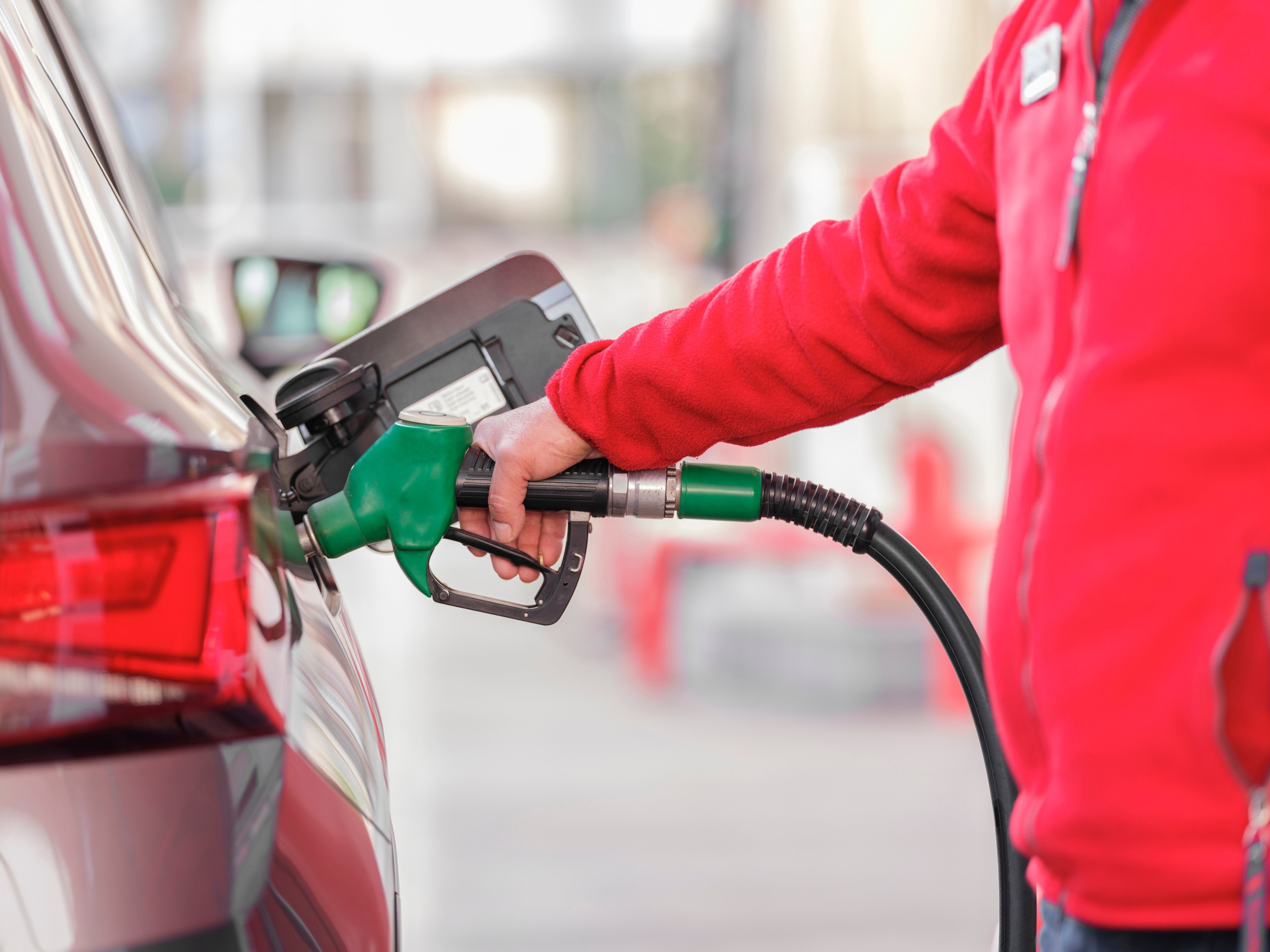
CAPE TOWN– As South Africans come to terms with the new fuel prices, Cape Town tour operators are concerned about the “highly significant” impact this will have on their businesses.
This follows last night’s increases in petrol and diesel.
The diesel price increased by R7.37 per litre for 0.05% sulphur diesel and R7.51 per litre for 0.005% sulphur diesel, while petrol rose by R3.06 per litre.
Inland pump price now stands at R23.25 per litre for 93 octane petrol and R23.36 per litre for 95 octane petrol.
On the coast, prices now stand at R22.46 per litre for 93 octane petrol and R22.53 per litre for 95 octane petrol.
READ ALSO: Fuel levy relief cushions price shock, but critics cite late action and funding concerns
Diesel now stands at more than R28 per litre, thanks largely to a last-minute intervention from the National Treasury for cutting the fuel levy by R3.00 per litre.
The temporary arrangement will be in place until Tuesday 5 May.
Fuel prices rose due to the ongoing tensions in the Middle East, including the closure of the Strait of Hormuz by Iran and a weaker rand.
Commenting on the latest fuel hikes, Angelica Cordoba, chair of the Cape Tourist Guides Association (CTGA), said the tourism industry is among the most affected.
The CTGA is a non-profit organisation (NPO) that supports tourism professionals to improve visitor experiences and strengthen the industry.
Cordoba said: “As tour operators, the impact is highly significant. We plan and budget many tour itineraries well in advance, including travel costs.
“When fuel prices increase, these budgeted costs are directly affected yet cannot be adjusted once we have committed to proposals and pricing.”
Cordoba said the impact is even greater on tour guides and small, independent business owners who rely on their own transport and personal budgets.
“Many of them operate without an emergency financial plan, making them especially vulnerable to sudden cost increases.”
Chris von Ulmenstein, tour guide at My Cape Town Guide, said the increase came at a bad time, labelling autumn and winter as already challenging for most operators.
“It is clear that prices of everything will increase, groceries and beverages, services, tourism and travel services, and more.
“It comes at a bad time, at the start of autumn/winter, when our tourism and hospitality industry dies down, until end August. Flights cost more already, which will inhibit our tourism industry too.”
Ulmenstein hopes that “the fuel price increase will not be abused”, and that petrol and diesel supplies will “not be held back”.
Another tour guide, Nazmie Lakay said that it is difficult to envision what impact the fuel hike will have and said that this month (April) will determine what happens next.
“We will probably know within the next month how much it impacted us. The dilemma that I am facing is, do I increase the prices…or should I inform them that for now we will leave the prices as it is and then alter it depending on how much the industry is impacted by this fuel increase?”