

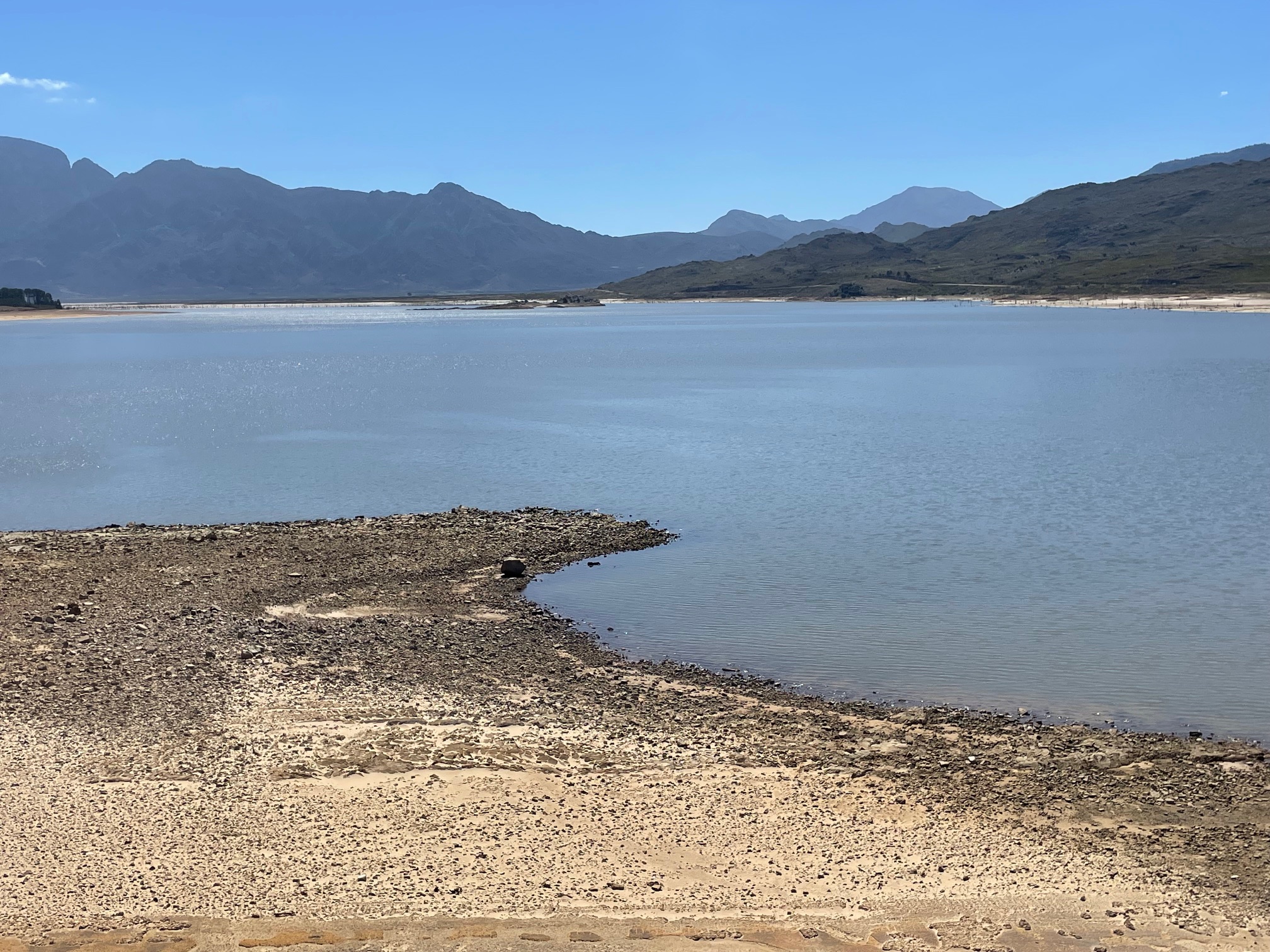
Dam levels in Cape Town and the Western Cape in general, have fallen below the critical 50% threshold, raising concerns about water security as the region faces a forecast of below-normal rainfall through autumn.
The latest dam level report from the Department of Water and Sanitation shows the Cape Town dams system at 48,45% of capacity, down from 65,60% last year. The broader Western Cape dams system stands at 45,20%, compared to 61% in 2025.
Theewaterskloof Dam, the province’s largest reservoir, has dropped to 47,40%, significantly lower than the 66,40% recorded last year at the same time.
The declining water levels come as the South African Weather Service forecasts below-normal rainfall for the southern Western Cape through autumn. Weather experts have warned that a South Atlantic high-pressure system is steering cold fronts further southward, reducing the amount of rainfall the region receives.
The Western Cape’s main rainy season typically occurs in the winter months from June to August, meaning the province faces several more months before significant rainfall is expected.
The City of Cape Town has called on residents to reduce water consumption following increased usage and recent high temperatures.
Water usage in the metro reached one billion litres per day last week, 83 million litres above the daily target.
The municipality warned that water restrictions could be imposed if current consumption patterns continue and rainfall remains low.
Cape Town’s water supply was nearly depleted in 2018 when the city faced “Day Zero”, a crisis that brought the metro close to shutting off its water supply.
The municipality said it is investing in new supply projects to secure the metro’s long-term water needs.
Paarl residents have also been asked to conserve water. Questions have been raised about whether Paarl and Cape Town could withstand another drought similar to the 2017/2018 crisis, given ongoing development and the influx of thousands of new residents to the areas each year.
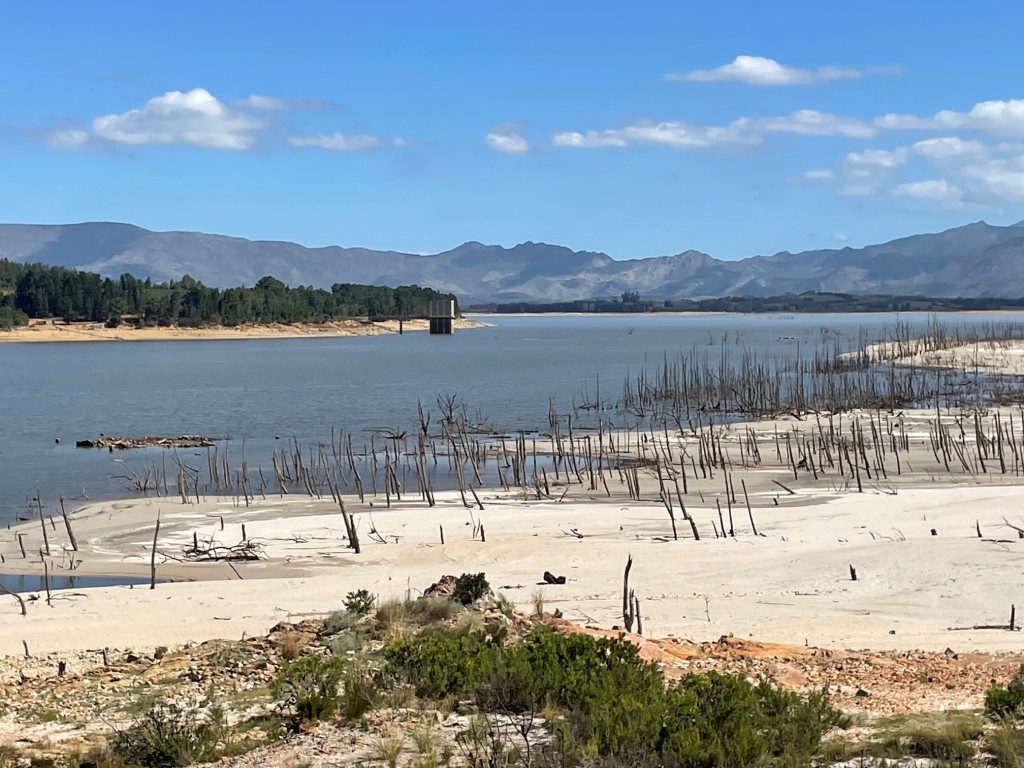
Several municipalities across the Western Cape have already implemented water restrictions in response to the drought conditions.
George Municipality enforced level three water restrictions in January after the Garden Route Dam fell to 44,50%. And in Knysna the picture is even bleaker with the municipality stating that “Day Zero is approaching”.
Knysna’s Akkerkloof Dam is only 29.8% of capacity. In the light of Day Zero approaching for this world renowned coastal town, Knysna Municipality stated:
“Day Zero is approaching and water shut-offs are coming.
“Pressure will be reduced and your tap may run dry for hours or days. The water reticulation system will be shut down to avoid total collapse. Should Day Zero arrive, residents will have to queue for an allocated 25 litres per person, per day, as per the national standard. That’s for drinking, washing – and everything else.
ALSO READ: Provincial interventions bring relief to Knysna’s water crisis
“Level 4 water restrictions must be strictly adhered to. Every household must aim to use no more than 50 litres per person per day. That is a very small amount, but every litre counts toward saving our town’s supply and future. This may help us to delay, or even avoid, Day Zero. Inspectors are active. Excessive and illegal users will face punitive tariffs, will be disconnected and will have to collect water rations from specified points.
“Day Zero will have an immense impact at home and at work, and will disrupt nearly every aspect of our daily lives.”
Beaufort West is currently under phase three water restrictions. The municipality has imposed a 200% surcharge on household water use exceeding 10 kilolitres per month and is working to repair vandalised boreholes and reduce water losses of 77%.
ALSO READ: Garden Route water crisis deepens as multiple municipalities implement emergency restrictions
Laingsburg has implemented night-time water throttling and installed prepaid water meters, resulting in a 25% reduction in water use. The municipality’s local groundwater supply remains under pressure.
Stellenbosch Municipality has been advised to institute water restrictions as a precautionary measure and has appealed to residents to reduce consumption by 15%. The municipality is activating augmentation from Kleinplasie Dam and bringing boreholes online to supplement supply.
Pearly Beach in the Overstrand is also under water restrictions due to shortages.
The provincial government has urged municipalities to implement proactive water-saving measures and encouraged residents to use water sparingly as the region faces a predicted below-average rainfall winter season.
ALSO READ: WATER CRISIS: Knysna declares emergency as taps could run dry in days



You must be logged in to post a comment.