

South Africa has increased its financial pledge to combat the Ebola outbreak in Central Africa to US$13.5 million (about R220 million), as President Cyril Ramaphosa called for urgent action to contain the deadly virus that has already claimed hundreds of lives.
Ramaphosa made the announcement this week during a high-level virtual meeting of African Union heads of state focused on the Ebola outbreak affecting the Democratic Republic of the Congo and Uganda.
The meeting, convened by Burundi President Evariste Ndayishimiye, who currently chairs the African Union, aims to mobilise continental and international support to halt transmission of the Bundibugyo strain of Ebola and strengthen preparedness in neighbouring countries at risk.
As of 15 June, the DRC has reported 808 confirmed cases and 192 deaths, with the outbreak concentrated in the northeastern provinces of Ituri, North Kivu and South Kivu. Uganda has confirmed 19 cases and two deaths, all linked to transmission from the DRC.
Ramaphosa, serving as the AU Champion for Pandemic Preparedness, Prevention and Response, urged leaders to maintain or increase their pledges and convert commitments into tangible support.
“With no vaccine or antiviral, every day that transmission continues unchecked, the human cost rises,” he said. “The West Africa Ebola epidemic demonstrated that delayed action can transform a localised outbreak into a regional and global crisis. This is why our response must focus on breaking the transmission and stopping Ebola at its source.”
However, the president warned that public health efforts are being hampered by armed conflict in the affected regions. He called for a ceasefire to allow the Ebola response to proceed safely.
“As political leaders, we can help by creating safe corridors for the passage of goods and services. We must seek a ceasefire to allow the Ebola response to proceed unhindered,” Ramaphosa said.
He stressed the need to expand rapid diagnostic testing, contact tracing and community awareness whilst strengthening cross-border collaboration.
The president expressed concern about the lack of biotechnology tools available to combat the Bundibugyo strain specifically, noting that existing Ebola vaccines approved for the Zaire strain have no confirmed efficacy against Bundibugyo virus.
Whilst acknowledging efforts by GAVI, CEPI and other international organisations, Ramaphosa emphasised that Africa cannot rely indefinitely on external markets during health emergencies.
“As African leaders, we must accelerate investment in local manufacturing, strengthen the African Medicines Agency and operationalise the African Pooled Procurement Mechanism,” he said, adding that African manufacturers need predictable markets whilst countries require reliable access to lifesaving products during emergencies.
The president also backed the Africa Centres for Disease Control and Prevention’s stance against blanket travel bans, calling on African financial institutions, development banks, philanthropies and the private sector to support the response effort.
“I call upon our international partners to continue to stand with Africa in a spirit of solidarity and mutual responsibility,” Ramaphosa concluded.
Understanding Ebola: symptoms, transmission and treatment
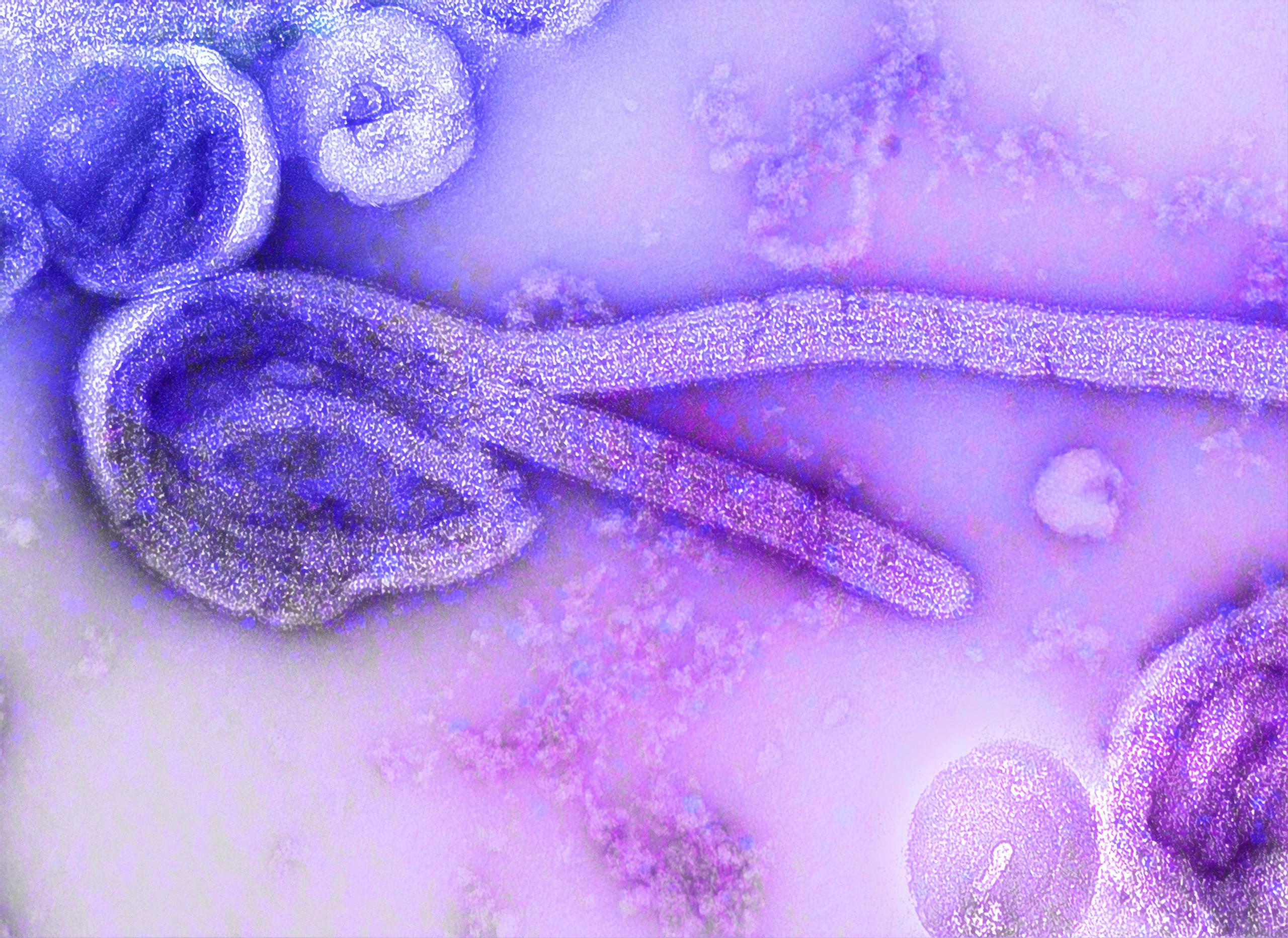
Ebola virus disease is a severe, often fatal illness caused by infection with orthoebolaviruses. The disease was first identified in 1976 in sub-Saharan Africa and has caused multiple outbreaks across the continent.
The current outbreak is caused by the Bundibugyo strain, one of several species of Ebola virus. Other strains include the Zaire ebolavirus, which caused the devastating West Africa epidemic between 2014 and 2016 that killed more than 11 000 people.
ALSO READ: WHO raises alarm over deadly Ebola outbreak spreading rapidly across central Africa
Symptoms typically appear between two and 21 days after exposure, with an average incubation period of eight to 10 days. Early symptoms include fever, headache, muscle pain, fatigue and sore throat. As the disease progresses, patients may experience severe diarrhea, vomiting, abdominal pain, unexplained bleeding and impaired kidney and liver function.
Ebola is not transmitted through the air or casual contact. The virus spreads through direct or indirect contact with body fluids of an infected person who is showing symptoms, or someone who has died from the disease. A person becomes contagious only after symptoms appear.
ALSO READ: Ebola death toll surpasses 200 as virus spreads to Uganda, 10 African countries at risk
Currently, there is no universal cure for Ebola. Treatment focuses on intensive supportive care, including rehydration, blood pressure maintenance, pain control, oxygen therapy, nutritional support and treatment of secondary infections.
Early medical care significantly improves survival rates. Health officials emphasise that preventing transmission requires strict infection control measures, rapid diagnostic testing, thorough contact tracing and community education about the disease.
ALSO READ: Africa CDC declares continental emergency as Ebola spreads across borders

