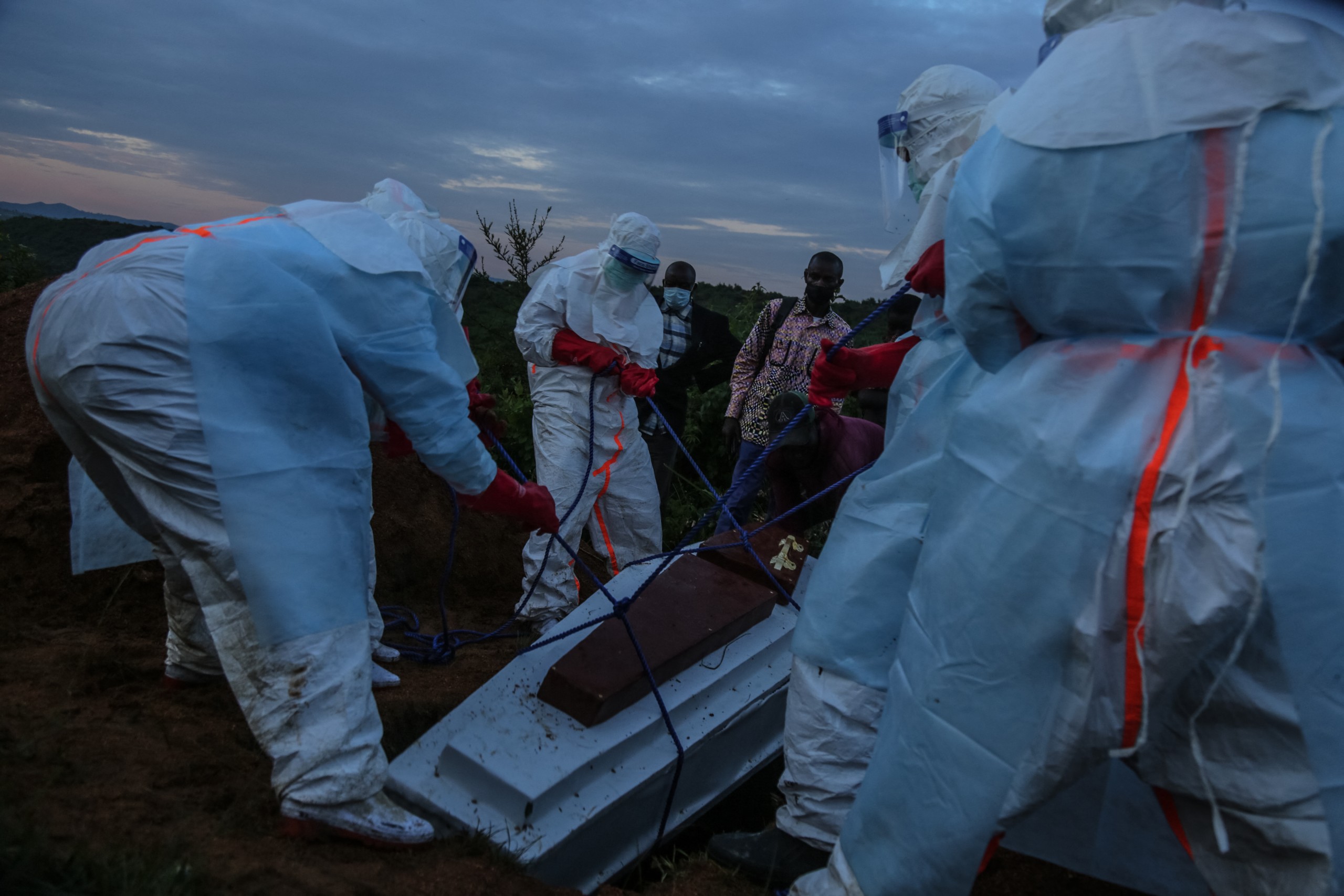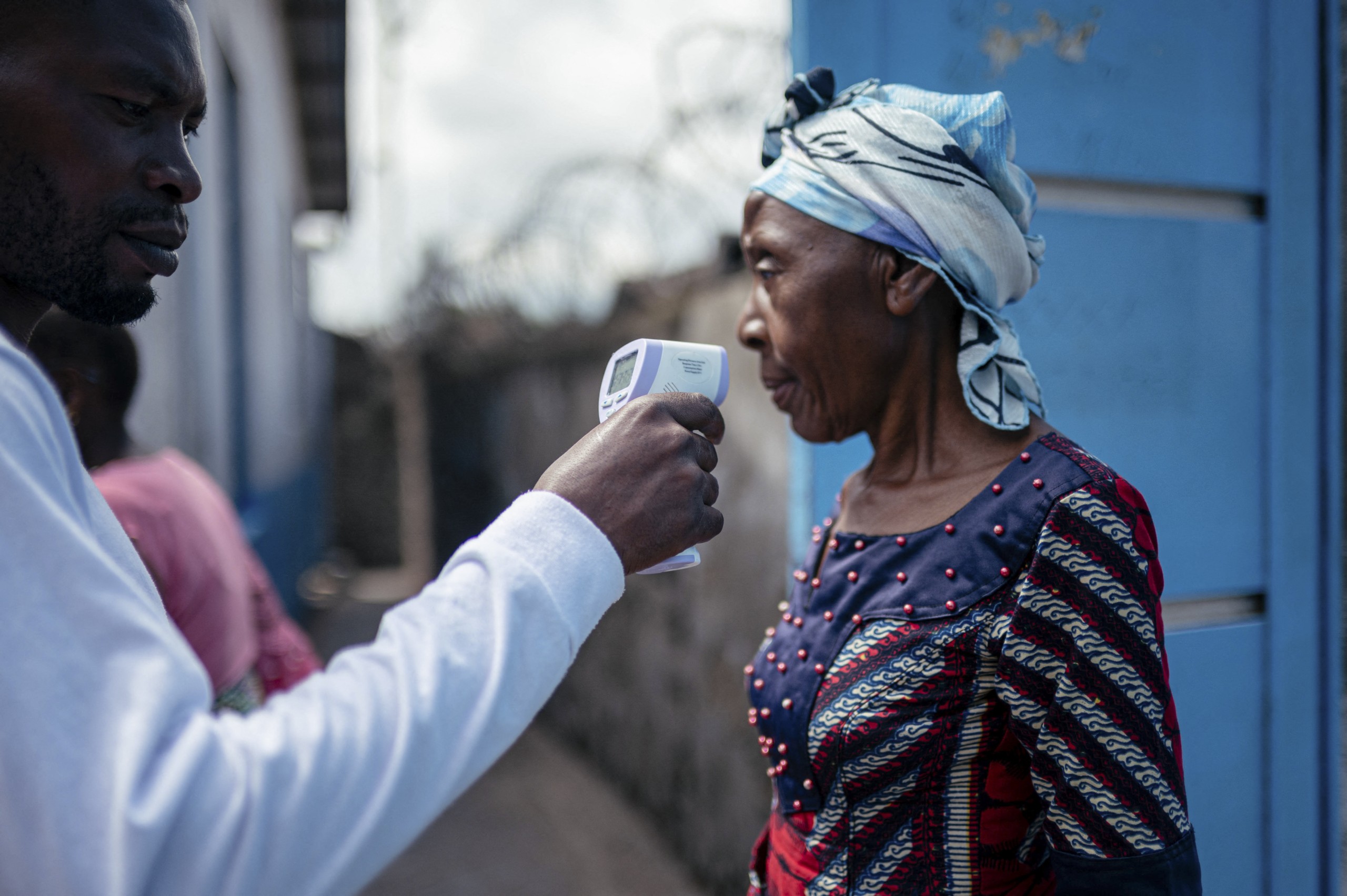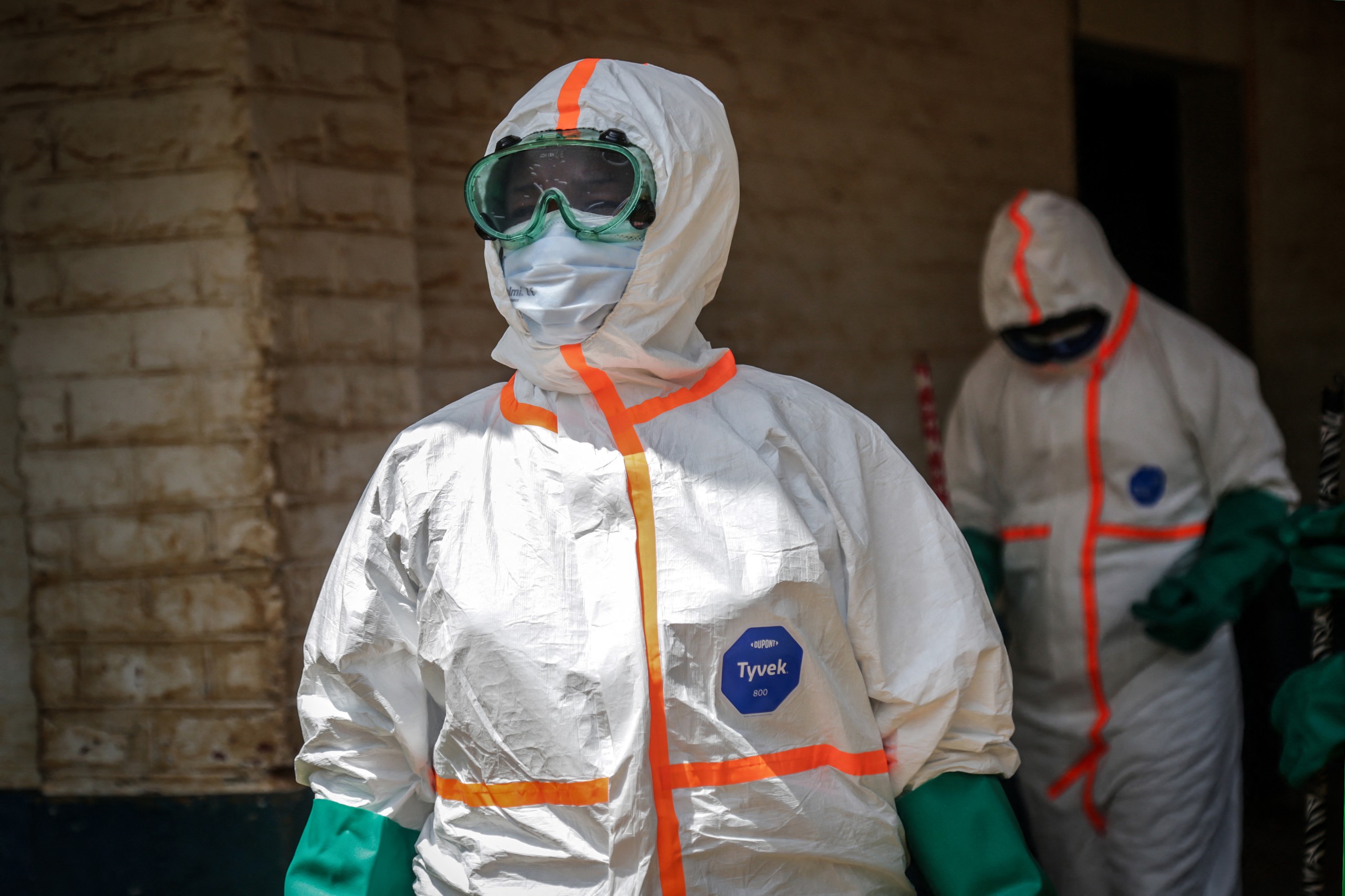
The death toll from the Ebola outbreak in the Democratic Republic of Congo had climbed to 204 by Saturday, as Uganda confirmed three additional cases and health authorities warned that 10 African nations face potential exposure to the deadly virus.
The DRC health ministry reported 204 deaths from 867 suspected cases across three provinces in the vast central African country. The figure marks a sharp increase from Friday’s World Health Organisation toll of 177 deaths from 750 suspected cases.
The WHO has declared the outbreak of the highly contagious haemorrhagic fever an international emergency, raising the risk level in the DRC to “very high” on Friday.
Jean Kaseya, head of the Africa Centres for Disease Control and Prevention, warned on Saturday that Angola, Burundi, the Central African Republic, the Republic of Congo, Ethiopia, Kenya, Rwanda, South Sudan, Tanzania and Zambia are all at risk of exposure.
“High mobility and insecurity” in the region are helping spread the disease, Kaseya said.
Uganda has now confirmed five Ebola cases since the virus was detected there on 15 May, including one death. The three new cases announced on Saturday include a Ugandan driver, a Ugandan health worker and a woman from the DRC. All three patients are alive, according to the health ministry.
The International Federation of Red Cross and Red Crescent Societies revealed on Saturday that three Congolese volunteers died in Ituri province after contracting Ebola whilst conducting humanitarian work on 27 March.
“They were carrying out dead body management activities as part of a humanitarian mission unrelated to Ebola,” the organisation said. “At the time of the intervention, the community was not aware of the Ebola virus disease outbreak. They are among the first known victims.”
The current epidemic centres on the conflict-wracked eastern DRC, where it was detected in Ituri province before spreading to South Kivu. The region has been plagued by armed conflict for three decades, with state services largely absent in rural areas.
South Kivu is controlled by the Rwandan-backed armed group M23, which has never managed an epidemic like Ebola.
“This is everyone’s problem,” Congolese health minister Samuel Roger Kamba said at a news conference in Addis Ababa. He said the Kinshasa government needed “total control” of DRC territory to stop the virus spreading.
The outbreak is caused by the less common Bundibugyo strain, for which there are no approved vaccines or treatments. Experts suspect the virus was circulating undetected for some time before it was identified.
Ebola is a deadly viral disease that spreads through direct contact with bodily fluids. It can cause severe bleeding and organ failure, and has killed more than 15 000 people in Africa over the past half-century.
Uganda suspended public transport to the DRC last week on Thursday, after confirming its first two cases. The Ugandan driver confirmed infected on Saturday had transported one of the ill Congolese nationals who travelled to Uganda. The health worker was exposed whilst treating that patient.
The WHO said the risk in central Africa was “high” but the global risk remained “low”.
The highest recorded death toll from an Ebola outbreak was during the 2014-2016 West Africa epidemic, when more than 11 000 died.