PRETORIA – The World Health Organisation (WHO) declared an international health emergency on Sunday 1 May, after more than 80 people died from a rare strain of Ebola in the Democratic Republic of Congo (DRC).
The outbreak, caused by the Bundibugyo strain of Ebola, has claimed 80 suspected deaths with 8 laboratory-confirmed cases and 246 suspected cases, the WHO confirmed on Saturday. Two laboratory-confirmed cases, including one death, have been reported in neighbouring Uganda among people who travelled from the DRC.
The WHO said the outbreak constitutes a “public health emergency of international concern” – the second-highest level of alert under international health regulations – but stopped short of declaring a pandemic emergency.
No vaccine or treatment available
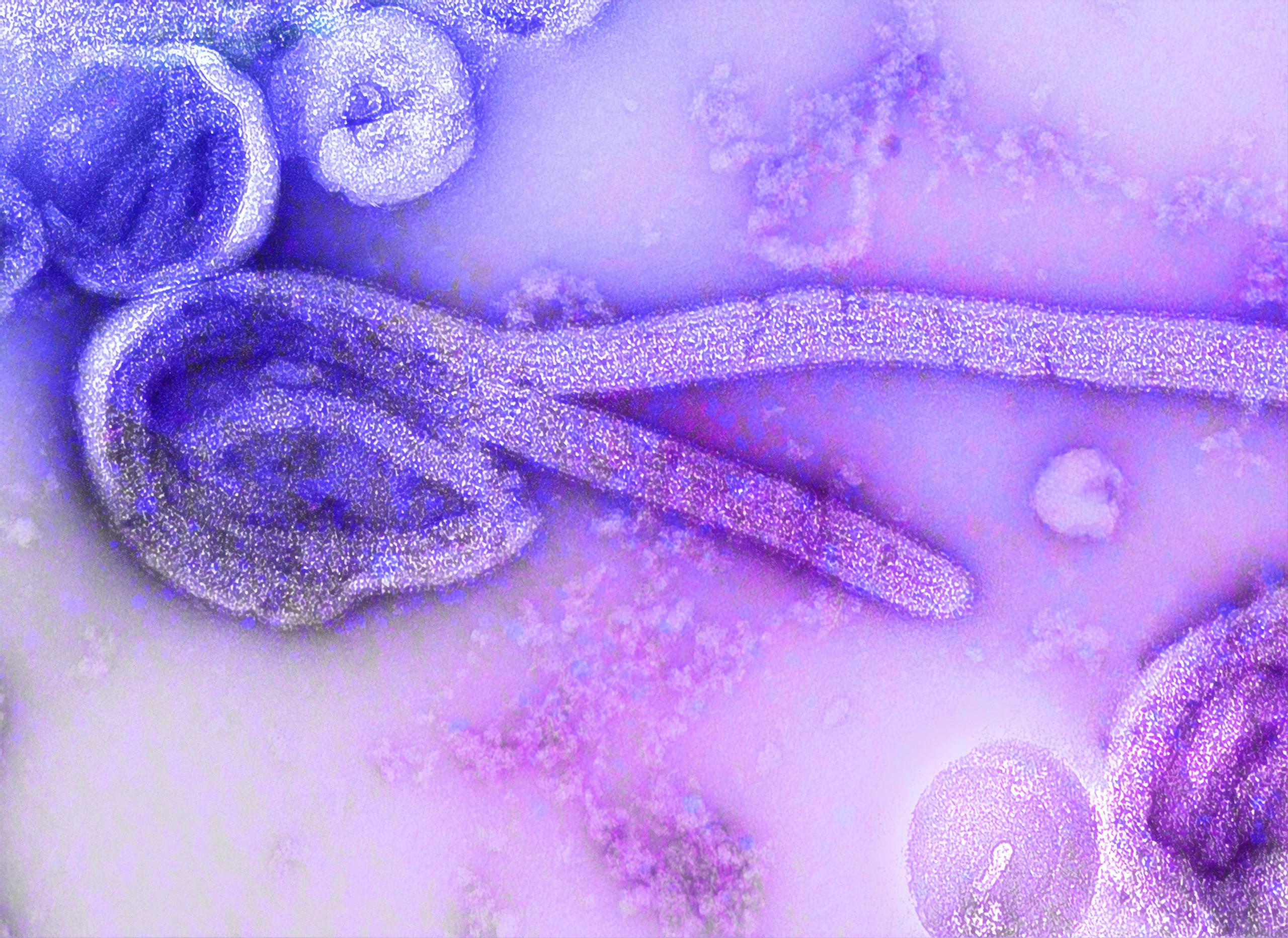
“The outbreak is extraordinary as there are no approved Bundibugyo virus-specific therapeutics or vaccines,” the WHO said in a statement, adding that countries sharing land borders with the DRC are at high risk for further spread.
DRC Health Minister Samuel-Roger Kamba warned that there is no vaccine or specific treatment for this Ebola strain. “The Bundibugyo strain has no vaccine, no specific treatment,” Kamba said. “This strain has a very high lethality rate, which can reach 50%.”
The strain was first identified in 2007 and is less prominent than the Zaire strain that caused most of Congo’s previous outbreaks. Vaccines are only available for the Zaire strain, which was identified in 1976 and has a higher fatality rate of 60-90%.
Outbreak concentrated in conflict zones
The outbreak was confirmed on Friday 15 May, in three health zones in the Ituri province in northeastern DRC, including the capital city, Bunia, as well as Rwampara and Mongwalu, where the outbreak is concentrated. The province borders Uganda and South Sudan.
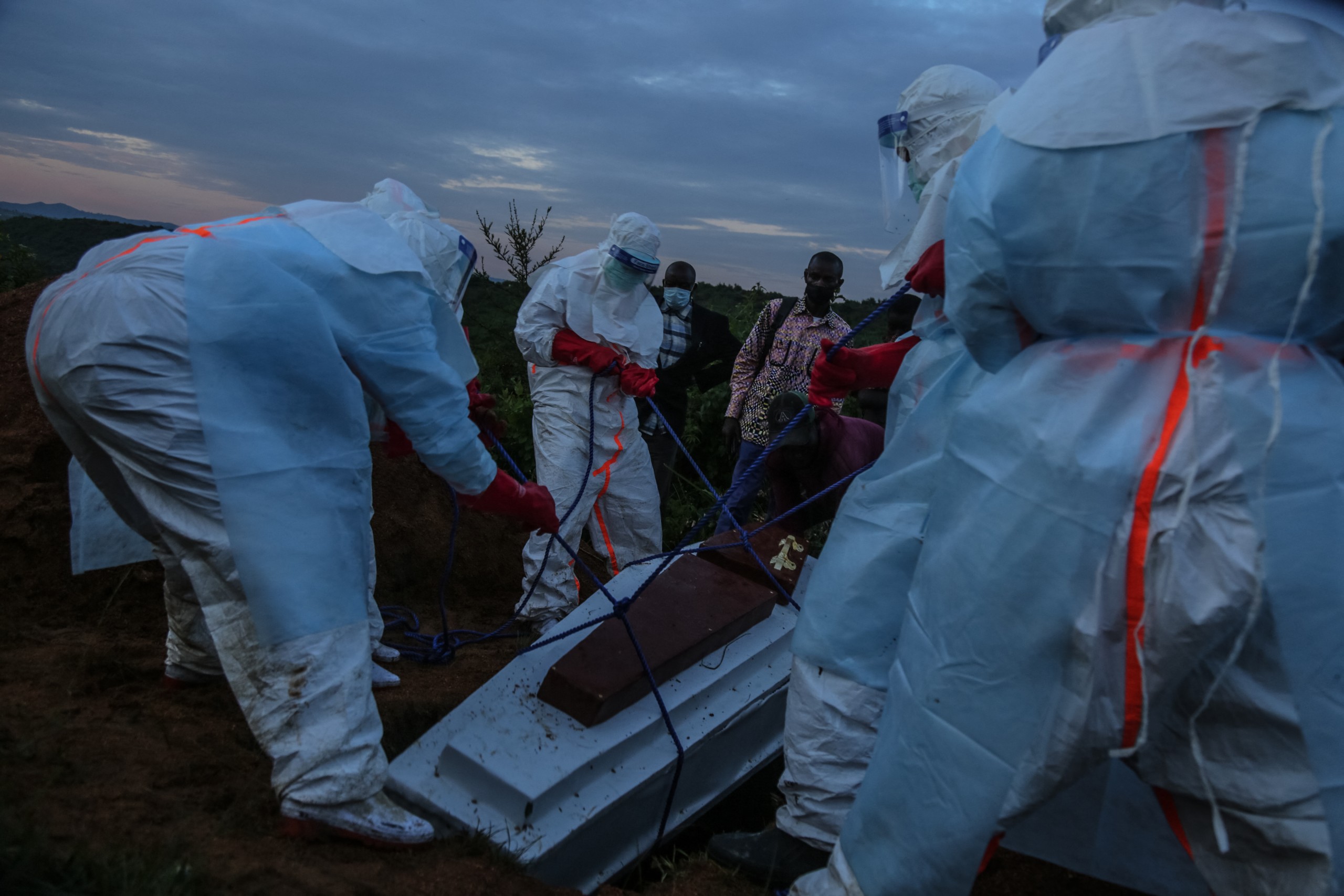
Ituri is around 1 000 kilometres from the nation’s capital, Kinshasa, and is ravaged by violence from Islamic State-backed militants, making the response particularly challenging. “We’ve been seeing people die for the past two weeks,” Isaac Nyakulinda, a local civil society representative, told AFP. “There is nowhere to isolate the sick. They are dying at home, and their bodies are being handled by their family members.”
According to Kamba, patient zero was a nurse who reported to a health facility in Bunia on 24 April with symptoms suggesting Ebola. Only 13 blood samples have been tested so far at the National Institute of Biomedical Research, with 8 returning positive. The remaining five could not be analysed due to insufficient sample volume.
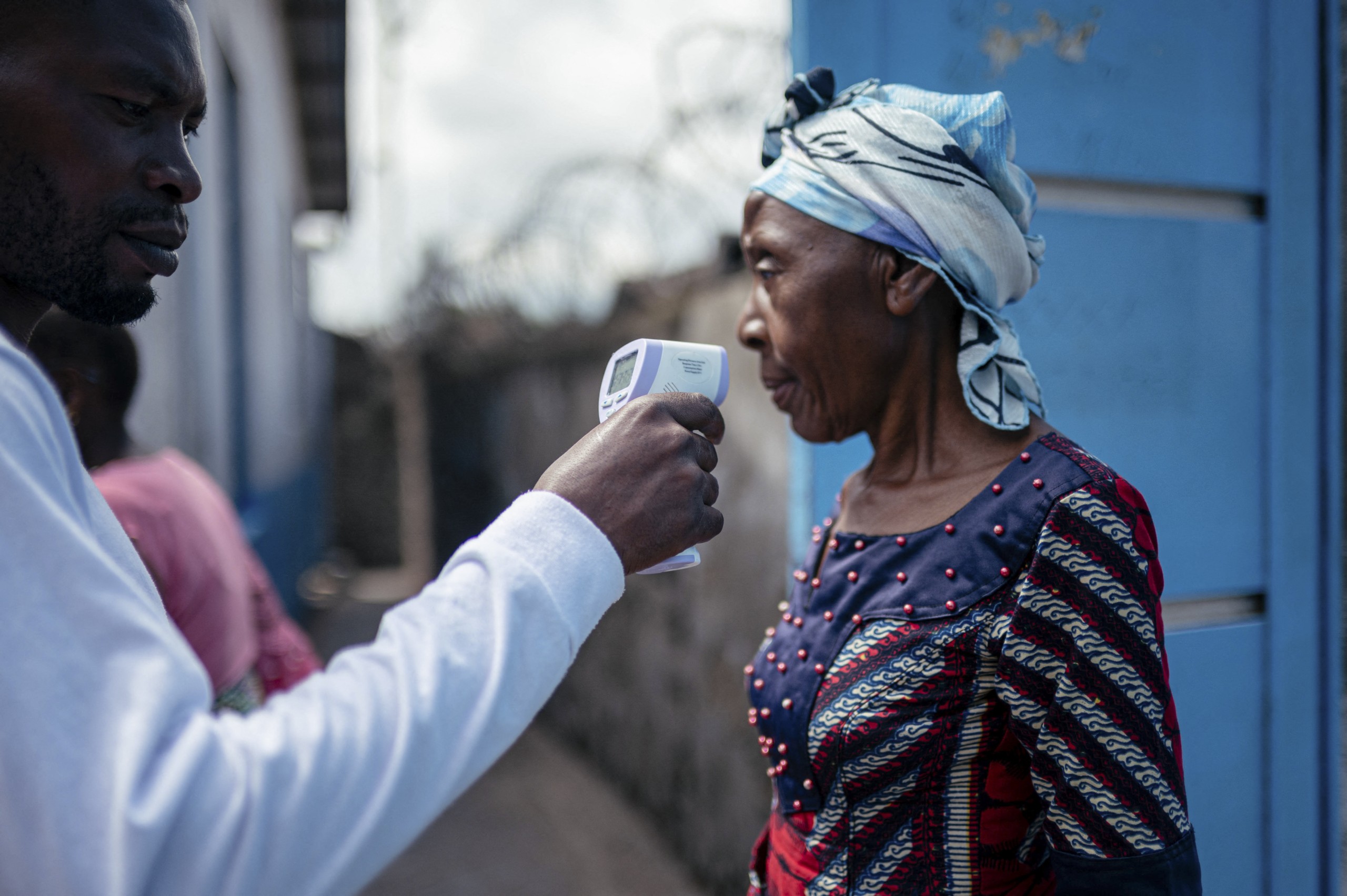
Medical organisation Doctors Without Borders (MSF) described the rapid spread as “extremely concerning” and is preparing a large-scale response. The Africa CDC and WHO have joined health authorities in the DRC, Uganda and South Sudan to coordinate containment efforts.
Officials warned the outbreak could be far larger than currently detected, with a high risk of regional spread due to cross-border movement. The WHO advised isolation of confirmed cases and monitoring of contacts, but urged countries not to close borders, warning that this could encourage unmonitored crossings.
This is the DRC’s 17th Ebola outbreak since 1976. The virus spreads through bodily fluids and infected blood, with symptoms appearing after an incubation period of up to 21 days. Symptoms include fever, vomiting and haemorrhaging.
SOURCES: AFP, World Health Organisation, Africa CDC, ABC News, Reuters