KOLKATA, India – Indian health authorities have confirmed two cases of the deadly Nipah virus in West Bengal state but maintain they have achieved “timely containment” of the outbreak.
The virus, which spreads from animals to humans, has no vaccine and carries a fatality rate of between 40 and 75 per cent, according to the World Health Organisation.
“Enhanced surveillance, laboratory testing, and field investigations were undertaken… which ensured timely containment of the cases,” India’s health ministry said in a statement on Tuesday 27 January.
The ministry did not provide further details about the two infected patients.
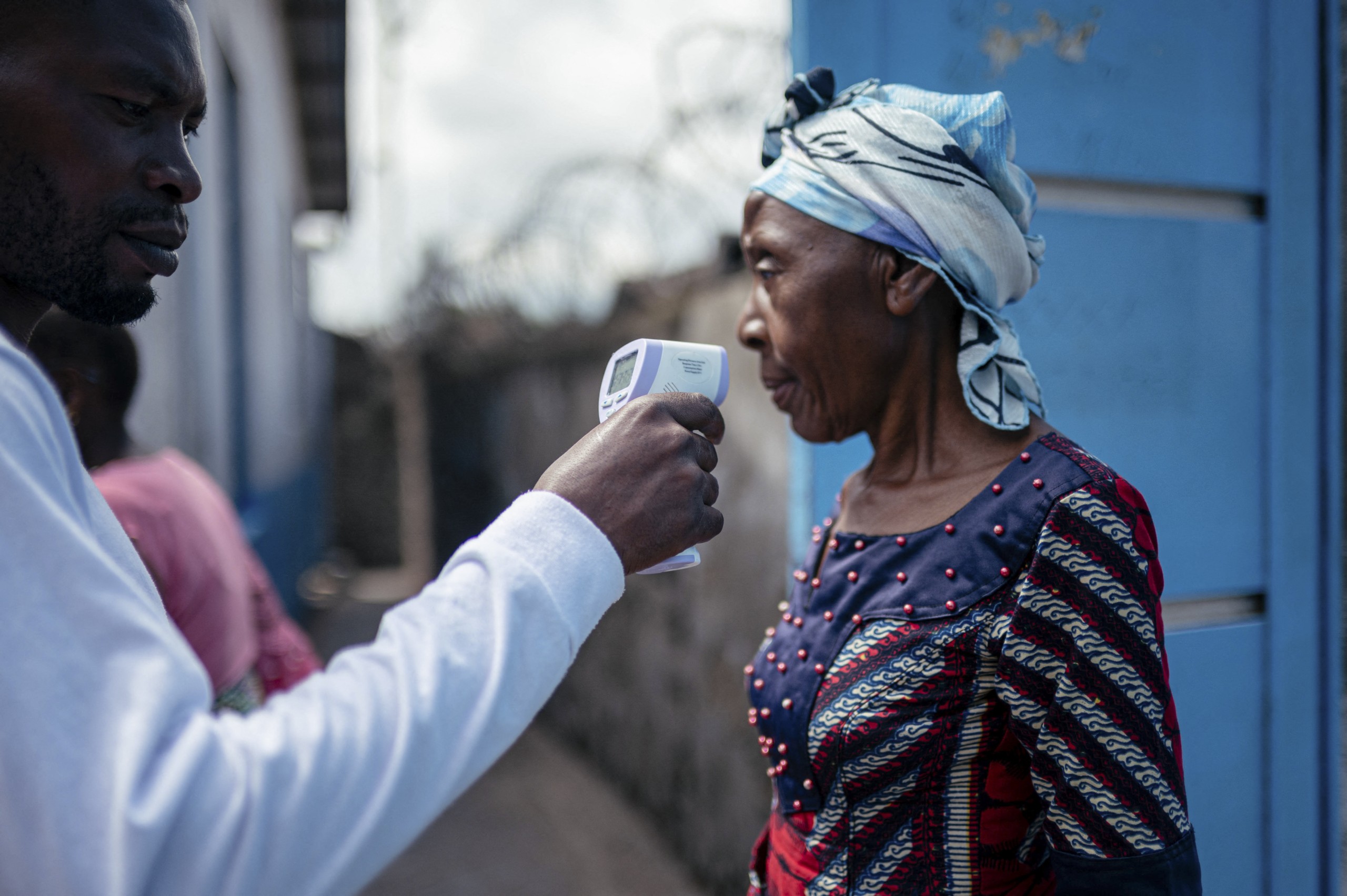
“The situation is under constant monitoring, and all necessary public health measures are in place,” it added, saying 196 contacts linked to the cases had been traced, and all tested negative.
Regional precautions
While Indian authorities say the virus is contained, some Asian countries are however not taking any chances, with authorities in Thailand, Singapore, Hong Kong and Malaysia reported to step up airport screening for arrivals from India.
The Nipah virus was amongst 24 “priority pathogen” families on a watch list published by UK officials in March last year, hoping to boost readiness in case another public health crisis strikes.
The UK Health Security Agency’s guide is designed to help researchers focus their efforts on certain viruses and bacteria that pose a threat to public health, as well as speed up the development of vaccines.
Pathogen families on the list include coronaviridae, which includes Covid-19, paramyxoviridae, which includes Nipah virus, and orthomyxoviridae, which includes bird flu. Ebola, norovirus and mpox are also listed.
Previous outbreaks in India
Nipah was first identified in 1998 after it spread amongst pig farmers in Malaysia.
In India, the first Nipah outbreak was reported in West Bengal in 2001.
In 2018, at least 17 people died from Nipah in Kerala, and in 2023, two people died from the virus, also in the southern state.
Symptoms include intense fever, vomiting and a respiratory infection, but severe cases can involve seizures and brain inflammation that results in a coma.
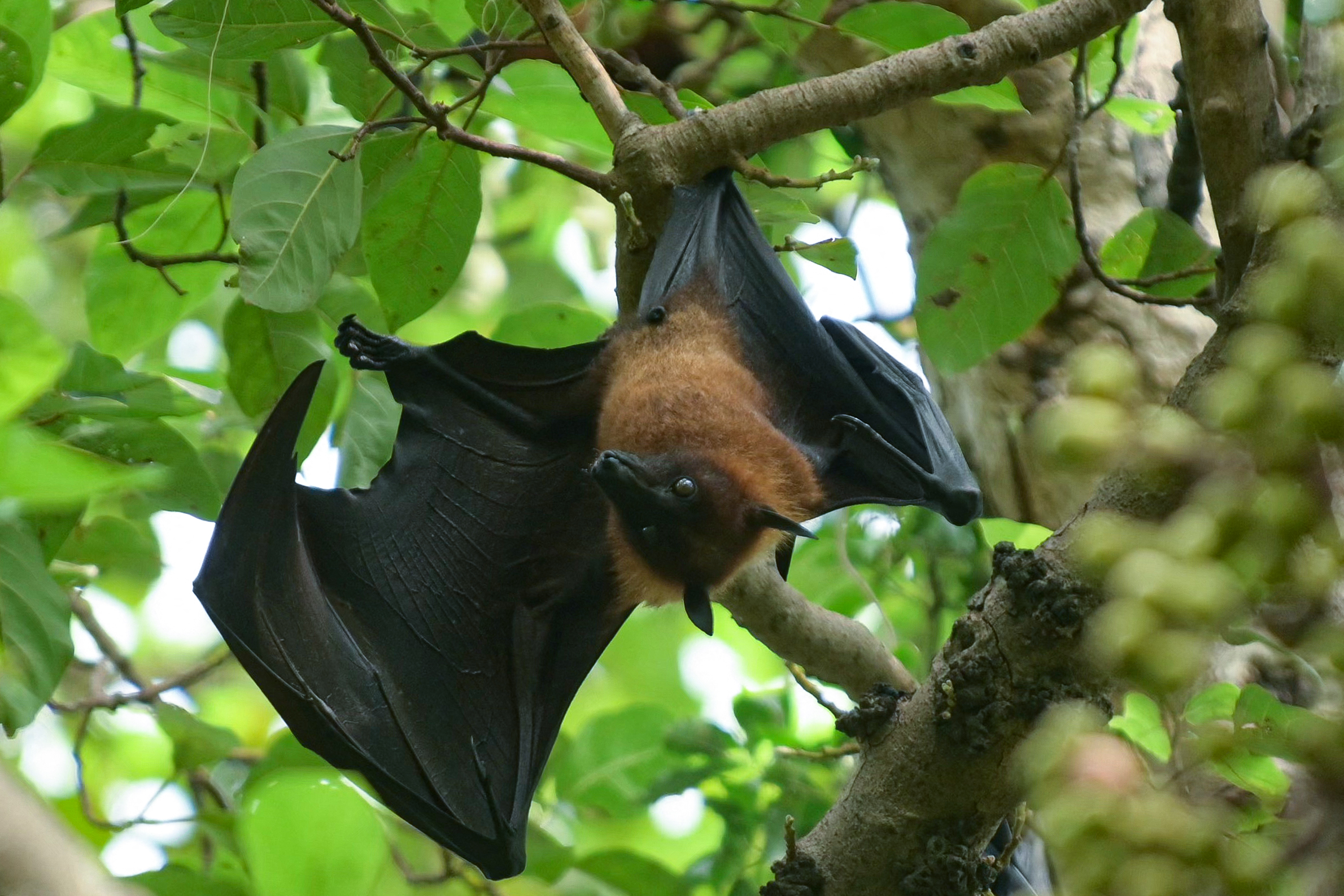
Fruit bats are the natural carriers of the virus and have been identified as the most likely cause of subsequent outbreaks.