

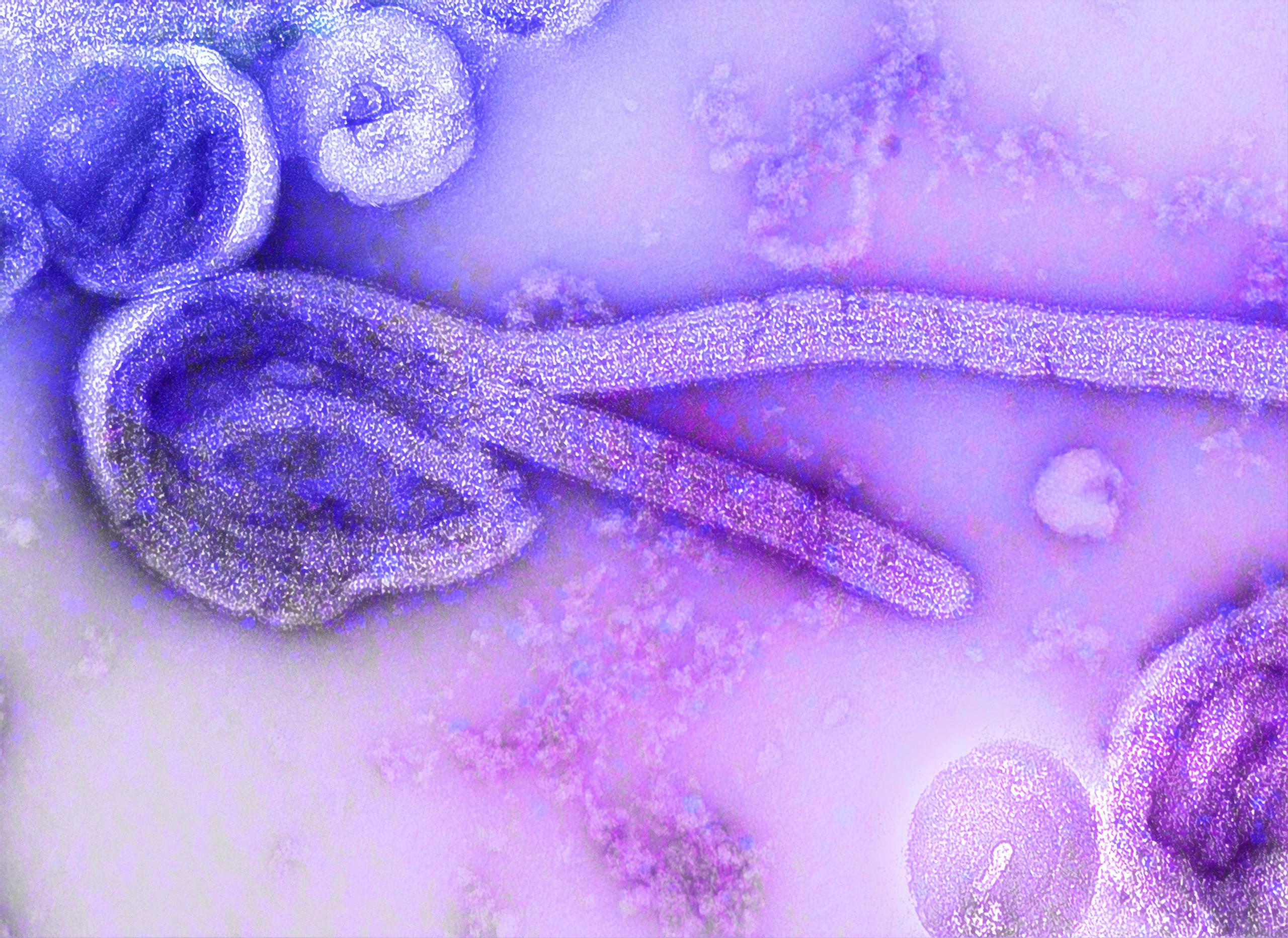
Kinshasa, DRC – An Ebola outbreak that has killed 438 people in the Democratic Republic of Congo is spreading beyond its epicentre, with health officials confirming the first case in Kisangani, a city of 1,5 million residents nearly 600 kilometres from where the disease first emerged.
The National Institute of Public Health reported on Thursday that 1 406 people have been confirmed infected since the outbreak was declared on 15 May, giving a fatality rate of just over 31%.
More than 83% of deaths have occurred in the northeastern Ituri province, which borders South Sudan and Uganda. Uganda has reported 20 cases, including two deaths.
The virus has now reached the nearby provinces of North Kivu, South Kivu, Tshopo and Haut-Uele, though health authorities say some cases were “imported” from Ituri rather than spread locally.
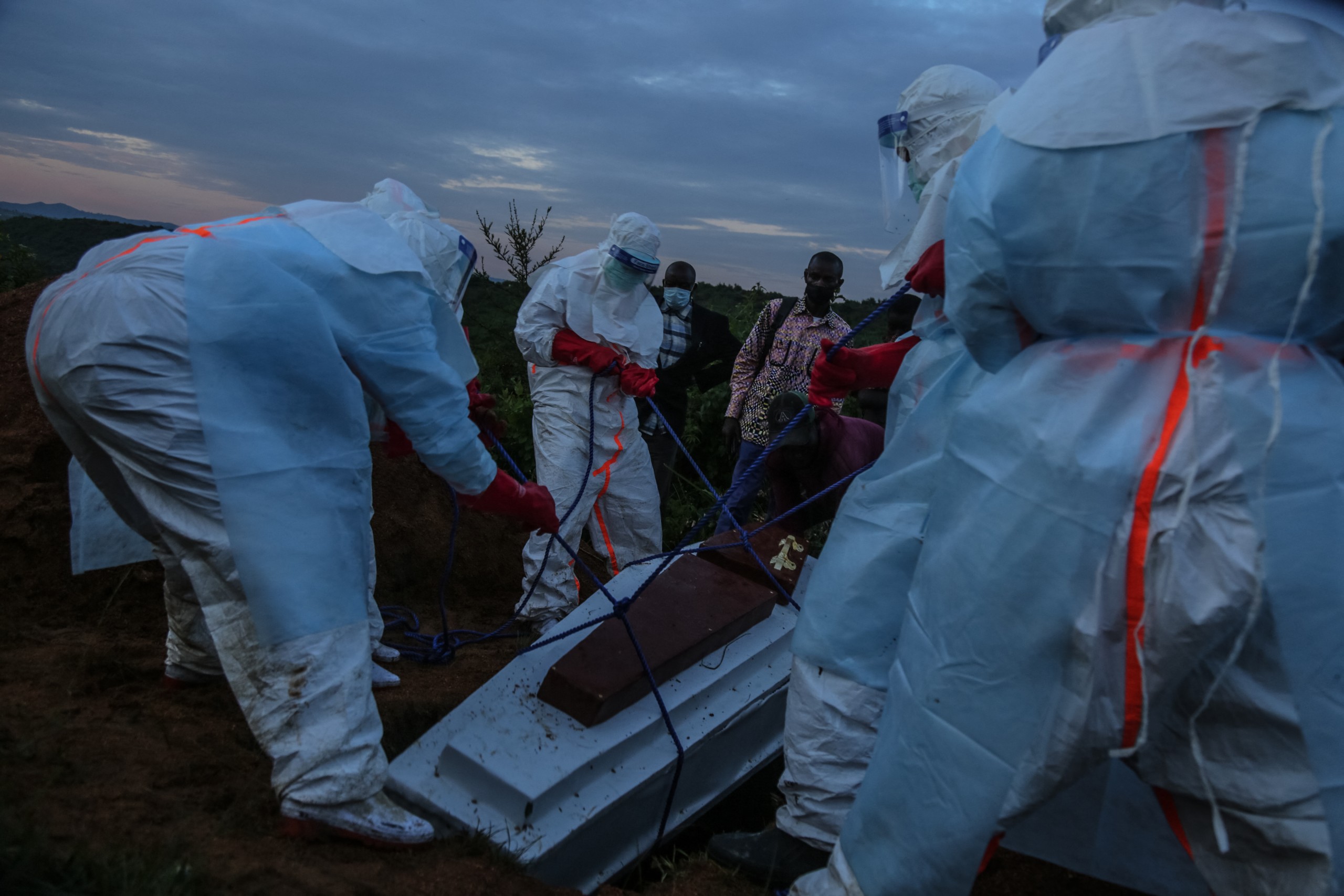
In Kisangani, capital of Tshopo province, a pregnant woman (24) tested positive for Ebola after her body was secretly transported by motorcycle from the Nia Nia health zone in Ituri. The bodies of Ebola victims remain highly infectious, and the virus is often transmitted during burial rites.
In Haut-Uele province, health authorities said an infected person was “on the run” from the Nia Nia health zone after a death and infection were reported at the start of the week.
“Epidemics do not recognise borders,” DR Congo President Felix Tshisekedi said on Thursday at a press conference in Kinshasa following an official visit by South African President Cyril Ramaphosa.
Ramaphosa called on the world to “not lock out the DRC” by imposing travel bans, expressing optimism towards containing the outbreak. He said he had “hope that we should be able, as we work very hard, to even have a vaccine for this variant of Ebola by the end of this year.”
No vaccine available
The current outbreak involves the Bundibugyo strain of the Ebola virus, for which no vaccine or specific treatment exists. The World Health Organisation said on Thursday that a trial of potential treatments – the monoclonal antibody MBP134 and the antiviral drug remdesivir – has begun, but could take months to produce definitive answers.
This is the 17th Ebola crisis to hit the DRC. The country’s most deadly outbreak killed nearly 2 300 people between 2018 and 2020. Ebola, which spreads through contact with bodily fluids, has killed more than 15 000 people in Africa over the past 50 years.
Health centre burnt
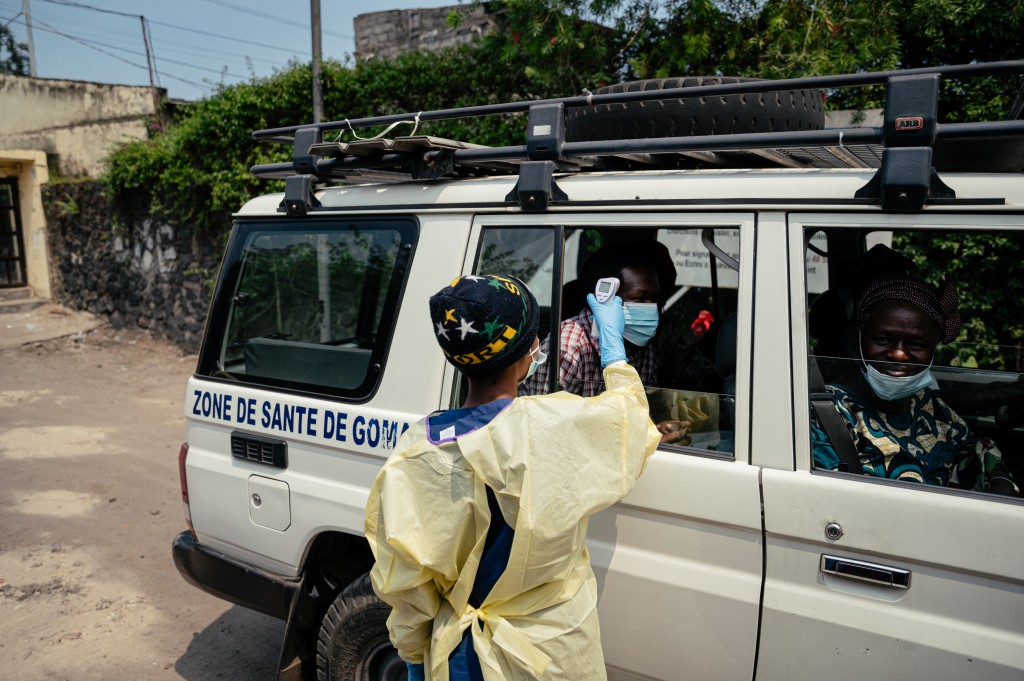
Health and aid workers battling the disease in Ituri face deep mistrust among the local population. Some locals deny the existence of Ebola, while others accuse international organisations of trying to make a profit.
On Wednesday, an Ebola health centre managed by local health authorities was set on fire in the Nia Nia health zone. Seven suspected cases who were in isolation at the centre fled and have not been found.
ALSO READ: WHO raises alarm over deadly Ebola outbreak spreading rapidly across central Africa
Two bodies of people who likely died of the virus were also at the centre. Before their sanitary burial, “a group of young people opposed it and tried to retrieve the bodies, believing that these people had not died of Ebola and considering that this disease is a ‘business’,” said Joseph Pemanakue, the area’s chief medical officer.
Police intervened with warning shots, but protesters set the facility on fire. A police officer died after being attacked by the protesters and two young people were seriously injured, according to Matadi Muyapandi, police administrator for the area.
The young people managed to retrieve the two bodies. “This is a major risk of spreading,” Pemanakue said.
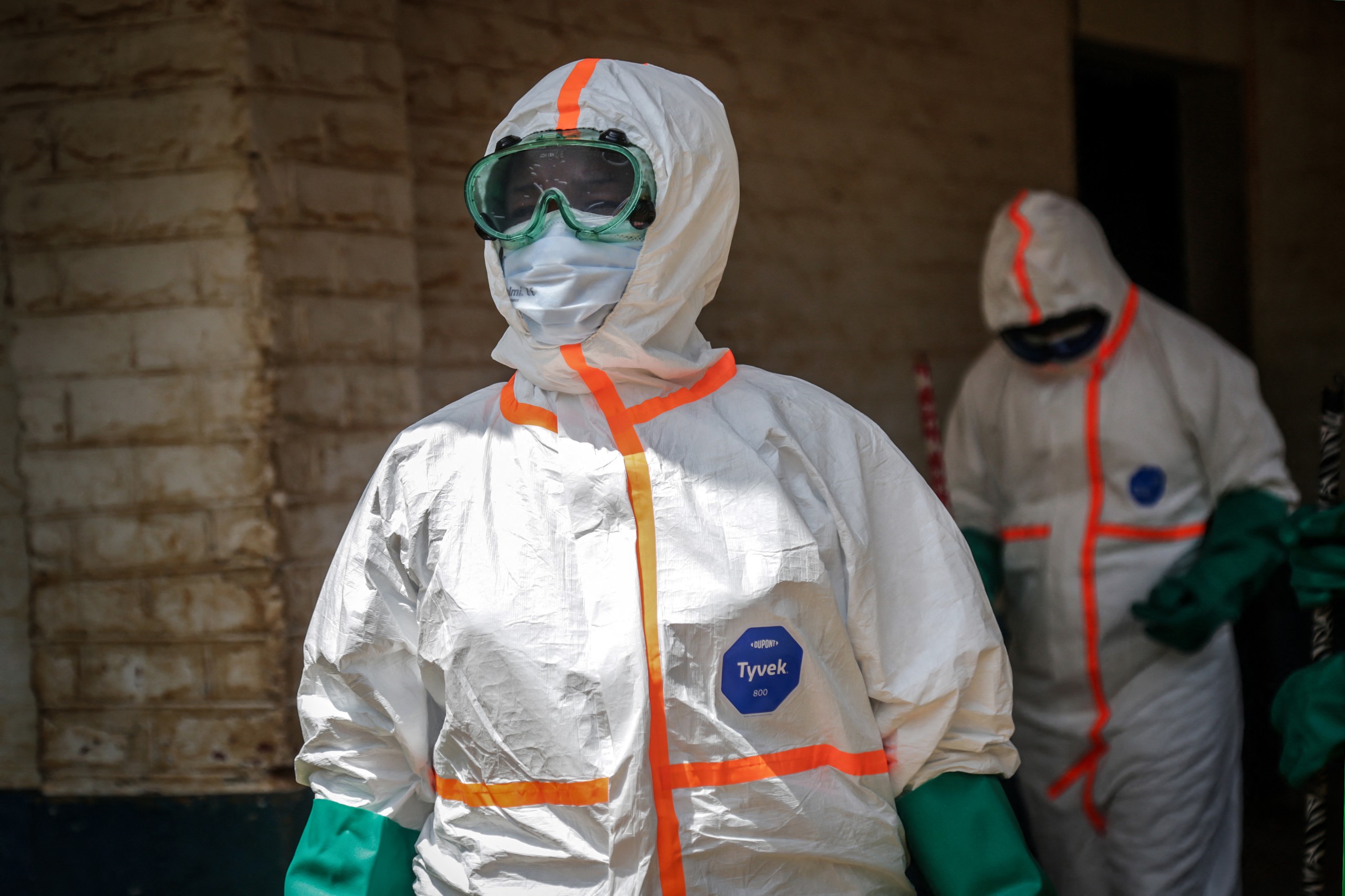
Health facilities in Ituri still lack equipment and basic supplies such as protective kits and chlorine, adding to the challenges facing the health response.
ALSO READ: SA boosts Ebola funding to US$13.5 million as outbreak spreads


You must be logged in to post a comment.