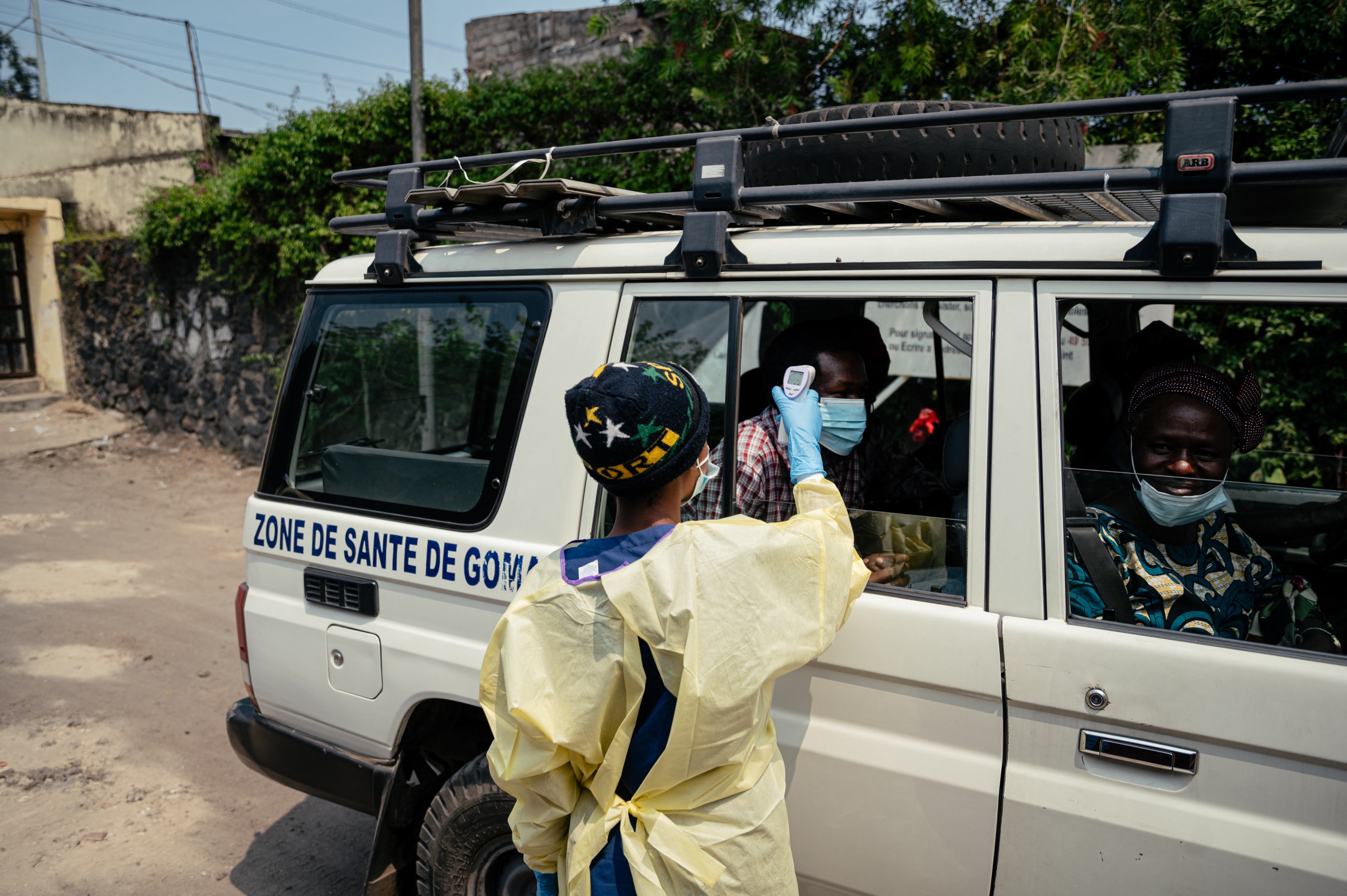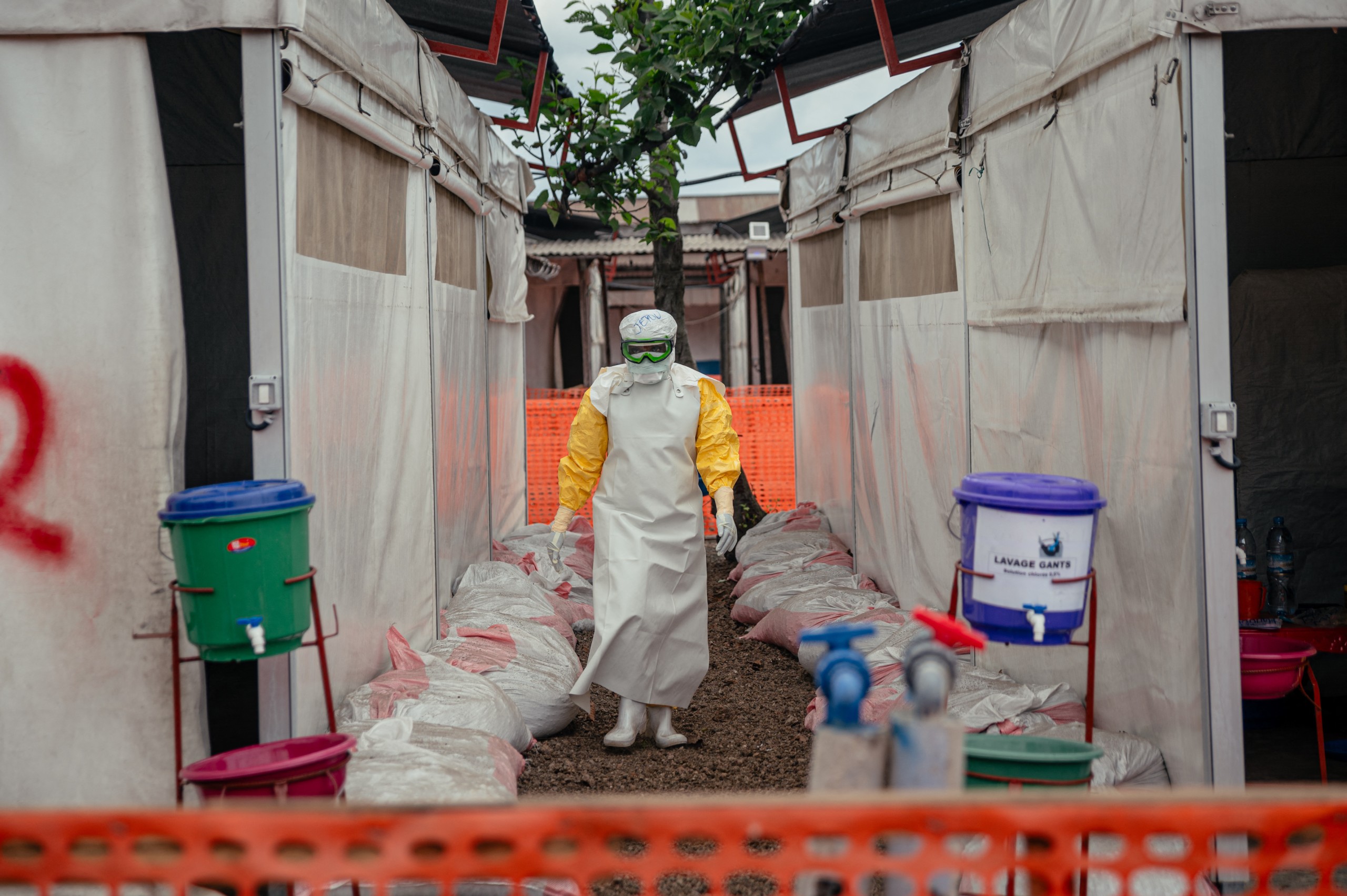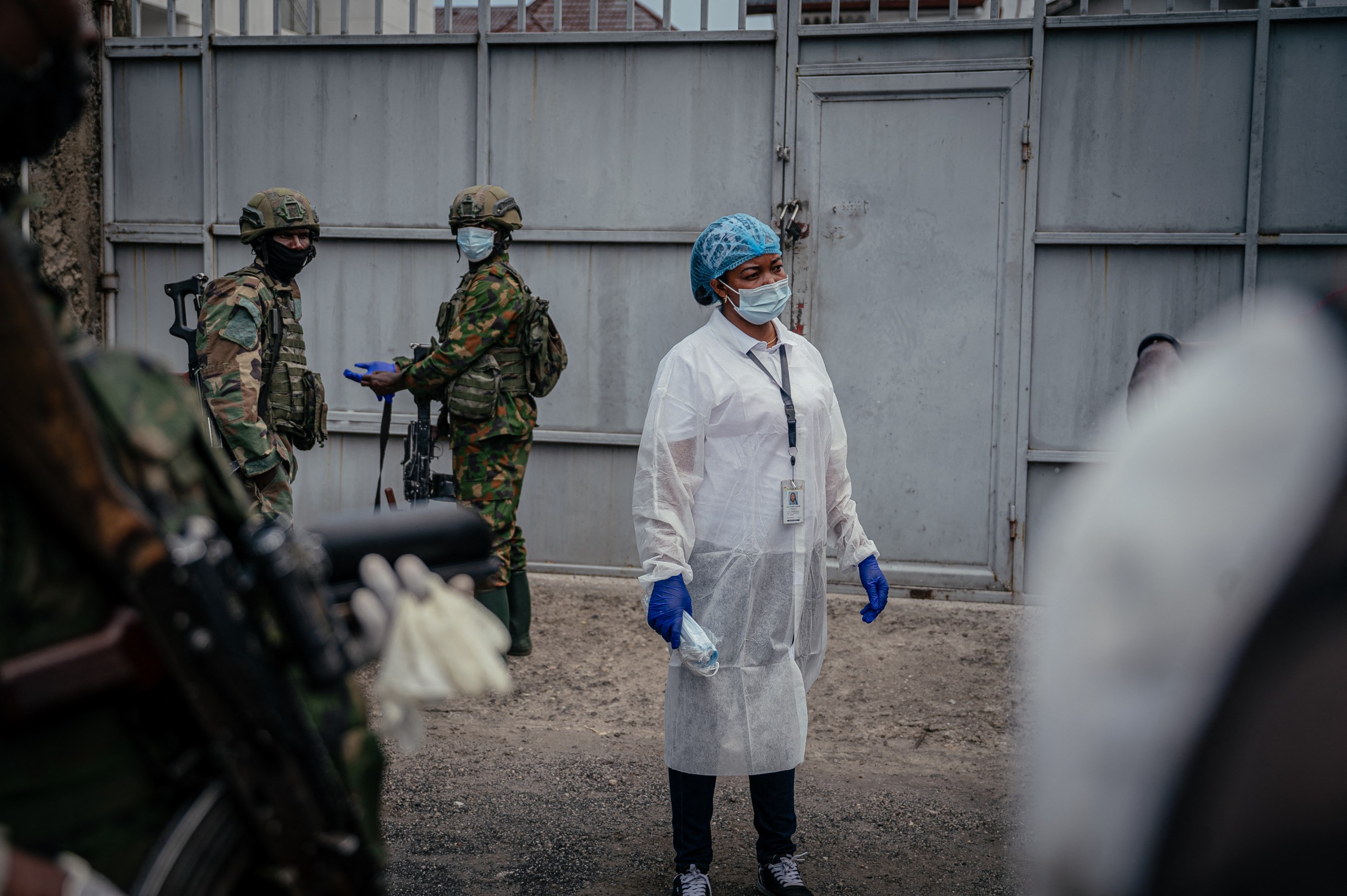
KINSHASA, DR Congo – The World Health Organisation has expressed serious concern about the rapid spread of an Ebola outbreak that has claimed an estimated 131 lives in the Democratic Republic of Congo, warning the crisis could continue for months.
The UN health agency declared the surge of the highly contagious haemorrhagic fever an international health emergency and convened an urgent meeting to address the crisis.
No vaccine or therapeutic treatment currently exists for the Bundibugyo strain of Ebola responsible for the outbreak, which was declared in the east of the country late last week.
Ebola has killed more than 15 000 people across Africa over the past half-century.
The majority of recent cases are concentrated in remote areas affected by long-running conflicts, meaning few samples have undergone laboratory testing. Current figures rely primarily on suspected cases.
“We have recorded roughly 131 deaths in total and we have around 513 suspected cases,” Congolese Health Minister Samuel Roger Kamba said on national television early Tuesday.
“The deaths we are reporting are all the deaths we have identified in the community, without necessarily saying that they are all linked to Ebola,” he added.
WHO chief Tedros Adhanom Ghebreyesus said he was “deeply concerned about the scale and speed of the epidemic”.
Speaking from the DRC, Anne Ancia, the WHO’s representative, told reporters in Geneva that a vaccine candidate called Ervebo was being evaluated but would likely take at least “two months for it to be available”.
The vaccine could still prove useful, she noted, since “I don’t think that in two months we will be done with this outbreak”.
Conflict complicates response efforts
The DRC’s deadliest Ebola outbreak between 2018 and 2020 killed nearly 2 300 people from 3 500 cases.
The epicentre of the new cases lies in northeastern Ituri province on the border with Uganda and South Sudan.
As a gold-mining hub, the region sees people regularly crossing borders and has suffered from clashes between local militias for years.
The virus has already spread into neighbouring provinces and crossed the DRC’s borders into Uganda.
“Unfortunately, the alert was slow to circulate within the community, because people thought it was a mystical illness, and so, as a result, the sick were not taken to the hospital,” Kamba explained.
This marks the 17th Ebola outbreak in the vast central African country of more than 100 million people.
Vaccines are only available for the Zaire strain of the disease, which has caused the largest recorded outbreaks.
The Bundibugyo strain previously caused outbreaks in Uganda in 2007 and in the DRC in 2012, with mortality rates between 30% and 50%.
Congolese President Felix Tshisekedi on Tuesday urged citizens to remain “calm” and take precautions, the presidency said on X, adding he had asked the government to intensify the response to the outbreak.
Suspected cases have been reported in the commercial hub of Butembo in neighbouring North Kivu province, some 200 kilometres from the epidemic’s ground zero, Kamba said, without providing further details.
Another case has been recorded in Goma, the North Kivu provincial capital, which was seized by M23 fighters in January last year.
Congolese doctor Denis Mukwege, who won the Nobel Peace Prize in 2018, appealed to the Rwanda-backed group to reopen the city’s airport to help combat the outbreak.
Goma airport has remained closed since M23 captured the city.
The front line dividing the anti-governmental group and government forces runs through the provinces of North Kivu and neighbouring South Kivu.
“Humanitarian access and coordination between the various stakeholders, particularly the parties to the conflict, could be one of the challenges for the response,” Francois Moreillon, of the International Committee of the Red Cross in the DRC, told AFP on Monday.
He called on the armed groups to guarantee effective access, cooperation and humanitarian coordination.
International response
The Africa Centres for Disease Control and Prevention (Africa CDC) has declared the outbreak a continental public health emergency.
The International Federation of Red Cross and Red Crescent Societies also activated its highest level of emergency response.
ALSO READ: Africa CDC declares continental emergency as Ebola spreads across borders
Tedros confirmed that 30 cases had been verified as Ebola in Ituri province.
“Uganda has also informed WHO of two confirmed cases in the capital of Kampala, including one death among two individuals who travelled from DRC,” he said.
Germany said on Tuesday it was preparing to receive and treat a US citizen who has contracted the virus.
American Christian NGO Serge said the patient was a doctor for the organisation who was exposed to the virus through his work.
Two other doctors with the NGO who treated sick people remained asymptomatic, it added.
The United States announced it was screening air passengers from outbreak-hit areas and temporarily suspending visa services.
It also urged citizens to avoid travel to the DRC, South Sudan and Uganda, and to reconsider travel to Rwanda.
ALSO READ: New Ebola outbreak in DR Congo declared international health emergency