KARIEGA – The tragic drowning of at least four children and several adolescents in the Kariega and KwaNobuhle areas over recent summer holidays has prompted the South African Red Cross Society to sound urgent alarm bells about a deadly cycle threatening local communities.
Whilst children seek relief from sweltering summer heat in dangerous, unregulated water sources like Willow Dam and the Swartkops River, the very municipal swimming pools that could provide safe alternatives remain shut well into the December holidays, leaving families with few options but to risk their lives in treacherous waters.
As the 2025/26 summer season approaches, the Red Cross is calling for immediate action to break this fatal pattern. They are highlighting not only the need for earlier pool openings and stronger water safety education, but also the critical importance of equipping communities with life-saving skills such as CPR and stroke recognition—interventions they say could mean the difference between life and death in areas where emergency response is often delayed.
Mounting death toll reveals disturbing patterns
Speaking to Coralie Peo-Swartz, South African Red Cross Society branch manager for the Nelson Mandela Metro region, shared specific data on drowning fatalities recorded over the past three years that paint a chilling picture of preventable loss.
“There have been two drowning incidents; two children under 10 drowned at Willow Dam in November 2024, two toddlers drowned in a flooded stormwater drain in February 2025, where a similar incident occurred in 2019. Two drowned in a family pool this November 2025, and one youth drowned in the Swartkops River helping a boy who was in trouble in the water,” Peo-Swartz revealed.
The data reveals troubling patterns regarding the age groups most at risk and the locations where incidents occur most frequently.
“There are many more risks during school holidays and over weekends. There are also risks associated with substance abuse. Drinking too much can lead to risky behaviour. Unsupervised children are also much more likely to be at risk of drowning in unprotected water pools, puddles, and stormwater drains,” she explained.
Red Cross mobilises community response
In response to the growing crisis, the Red Cross has begun rolling out new awareness and training programmes aimed at strengthening community readiness.
We have started a Facebook page called First Aid Saves Lives that shares information on how to save a life in emergencies. We have engaged community newspapers such as UD Express and PE Express, as we recognise the value of such media sources to reach communities
According to the branch manager, every child or adult who signs up as a Red Cross member automatically qualifies for free CPR and stroke-management training. Volunteers are also being mobilised to disseminate water safety information directly to parents, youth, and children in high-risk areas.
However, she noted that the organisation has not yet formally engaged with Nelson Mandela Bay Municipality on issues such as delayed pool openings or the broader shortage of safe recreational spaces.
“The lack of safe, public swimming pools, coupled with our ever-increasing hot summers, could be a contributing factor,” she acknowledged.
Comprehensive safety solutions proposed
Peo-Swartz outlined several interventions that she believes could significantly reduce risks if implemented systematically.
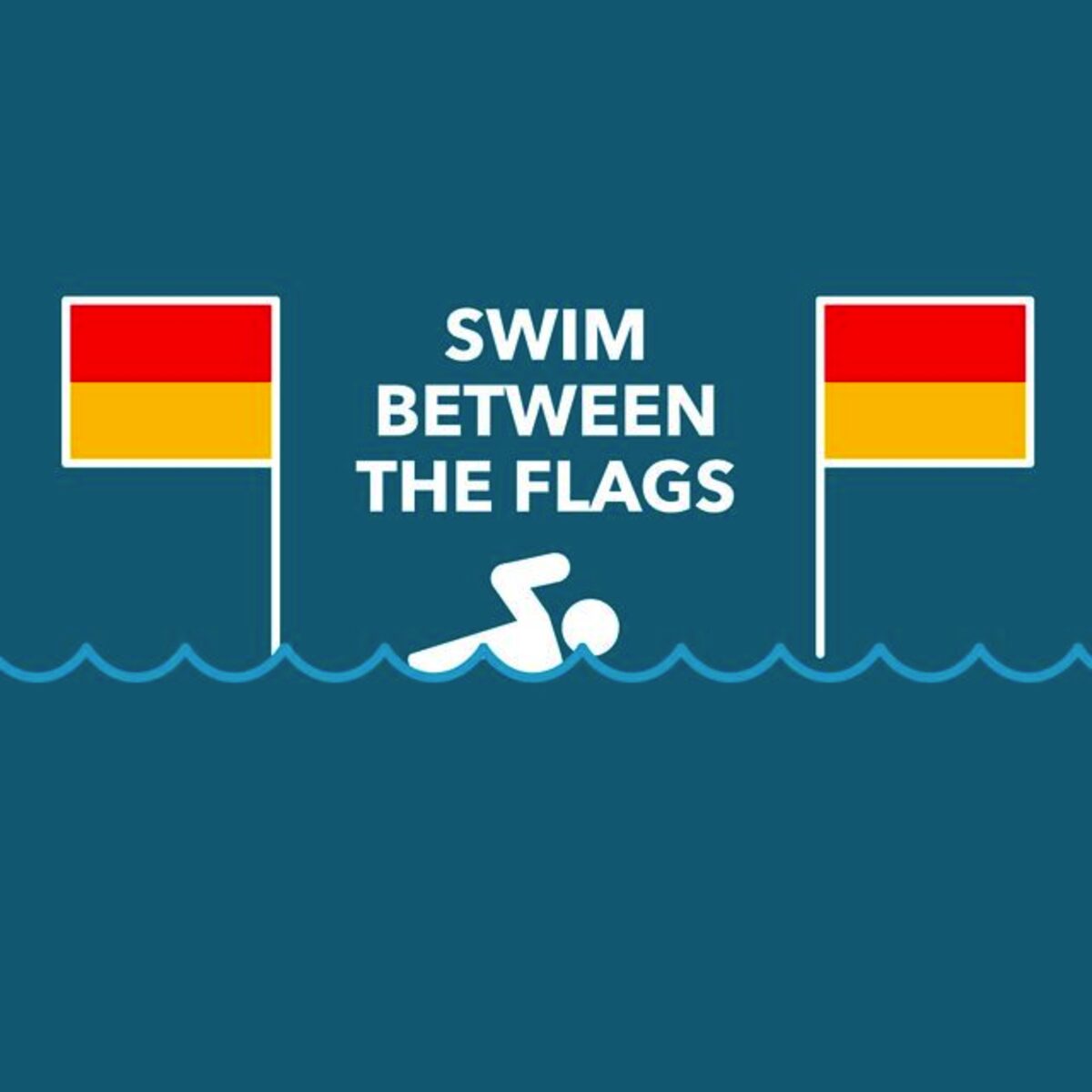
“There are things that can be done such as fencing canals, dams, and ponds. At the Swartkops River, warning signs should be put up. At Bluewater Bay beaches, lifeguards actively patrol, instructing people to get out of the water and only swim in designated areas,” she detailed.
“Grilles could be put up to prevent access to stormwater drains but still allow water to flow through. Children from preschool age should be warned to stay away from water unless a parent is present. And most of all, people should be taught how to swim and float, but also how to respect open water sources because you do not know if there are rip currents or how easy it is to lose footing.”
She emphasised the importance of safety measures at home as well: “People with swimming pools must ensure they are enclosed with childproof latches or with childproof covers.”
Life-Saving skills: The critical difference
Asked why CPR and first aid form a central part of their intervention strategy, Peo-Swartz was unequivocal about their importance.
“It definitely saves lives. It restarts the heart and restarts breathing. Applying CPR incorrectly can do more harm than good. Applying outdated techniques can waste time, and applying the wrong technique at the wrong time can be fatal. Reading about CPR, watching videos, and looking at demonstrations is not as effective as practising on a resuscitation doll. The Red Cross provides Basic First Aid and CPR training.”
The municipality was approached regarding the opening and maintenance of the municipal swimming pools, but did not respond at the time of going to print.
Members of the public seeking training or wishing to join the organisation can contact Peo-Swartz at 083 633 1640 or cpeo@redcross.org.za
As the summer season intensifies and temperatures soar, the Red Cross warning stands as a stark reminder that without immediate action on multiple fronts, from infrastructure improvements to community education, more families may face the devastating loss that has already claimed too many young lives in these communities.