

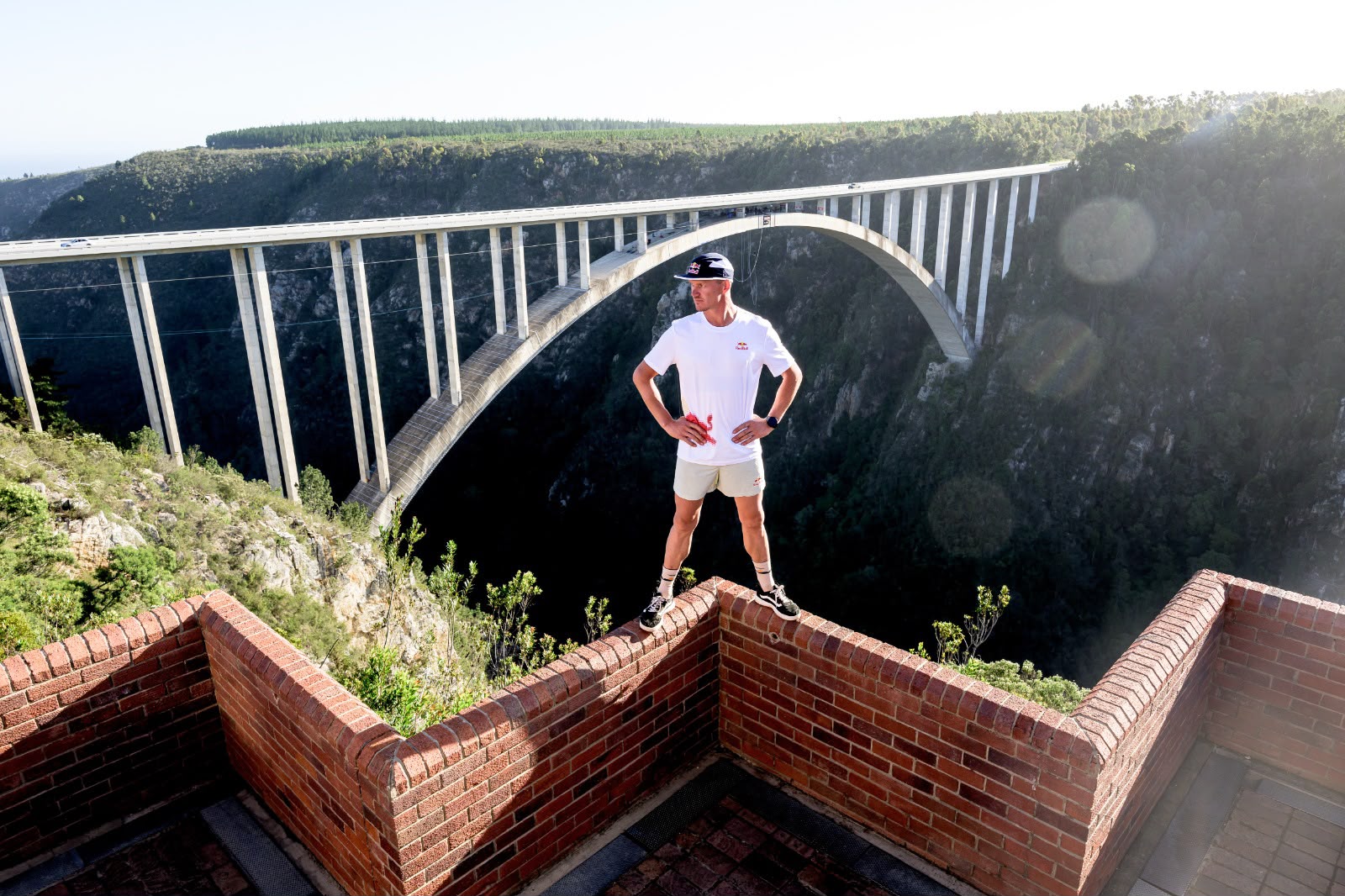
TSITSIKAMMA – Thomas van Tonder has climbed ropes, broken records and raced obstacle courses across four continents. None of it, he says, compares to what comes next.
Later this month, on 26 October, the South African obstacle course racing (OCR) world champion will attempt to cross more than 600 monkey bars suspended beneath the arch of Bloukrans Bridge, Africa’s highest bridge, 216 metres above the river below.
By his own admission, it is the hardest challenge he has ever attempted and he does not know whether he can do it.
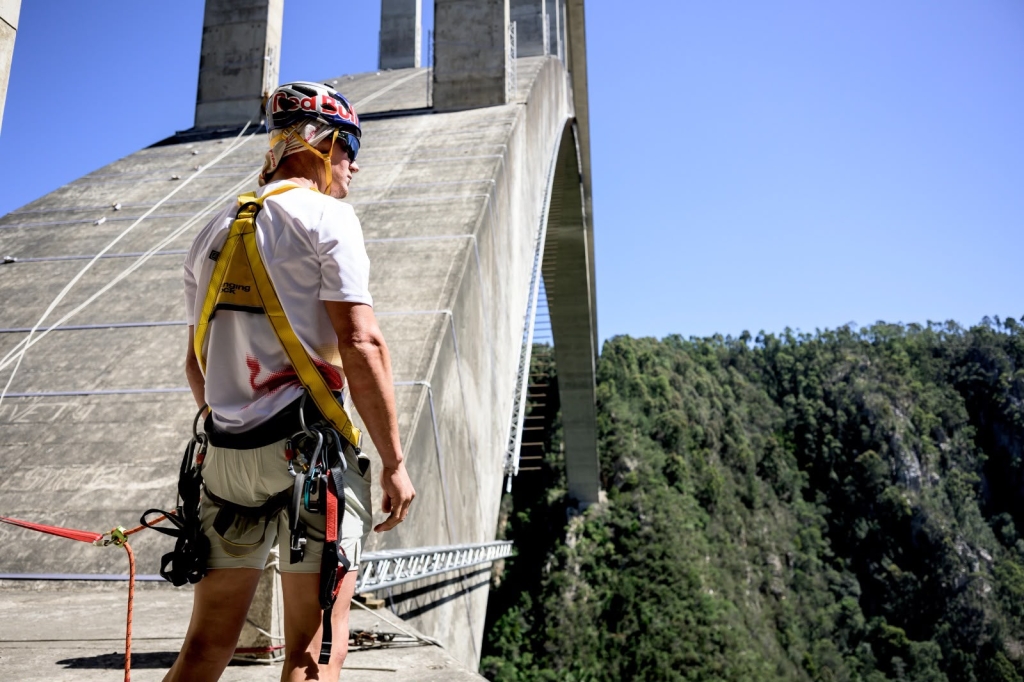
Unlike a straight run of horizontal bars, the course follows the natural shape of the bridge itself. Thomas will climb the uphill arch, cross its flat crown and descend the far side before completing the crossing.
Each stretch will test a different kind of strength: pulling power on the ascent, raw endurance across the middle and controlled, muscle-tearing resistance on the descent.
Thomas chose the harder route on purpose. A straight line across the top of the bridge was within reach. Climbing up and over the arch, following its full curve, was something nobody around him could confirm was even possible.
“One version was probably possible,” Thomas says. “The other will push me to my limits and I don’t know if I can do it.”
“This is by no means something I know I can do,” he says, “which means it’s the right challenge.”
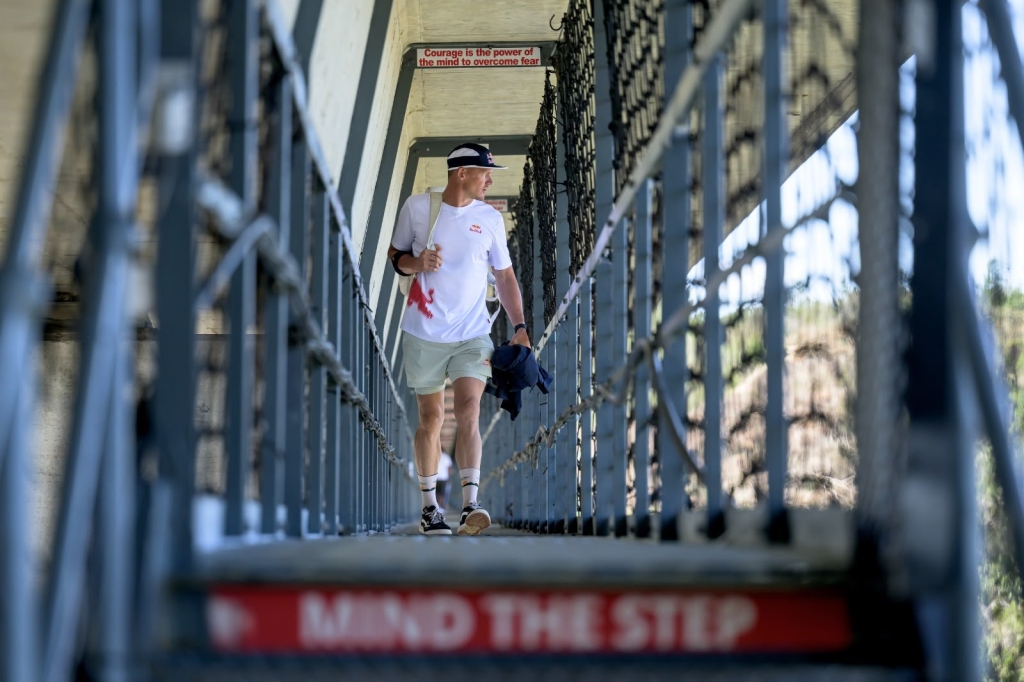
Why he’s doing this
The idea has been with Thomas for years, growing out of the moment that first put him on the global stage: a Guinness World Record rope climb between Johannesburg’s Soweto Towers in 2020.
Since then, he has chased the same feeling that got him into racing in the first place: a challenge difficult enough to scare him again.
Becoming a father changed how he thinks about that difficulty.
“The people who look up to you learn far more from what you do than from what you say,” Thomas says. “The best way to teach that is to take on something really difficult myself, figure it out and train for it, because the process is where the value is.”
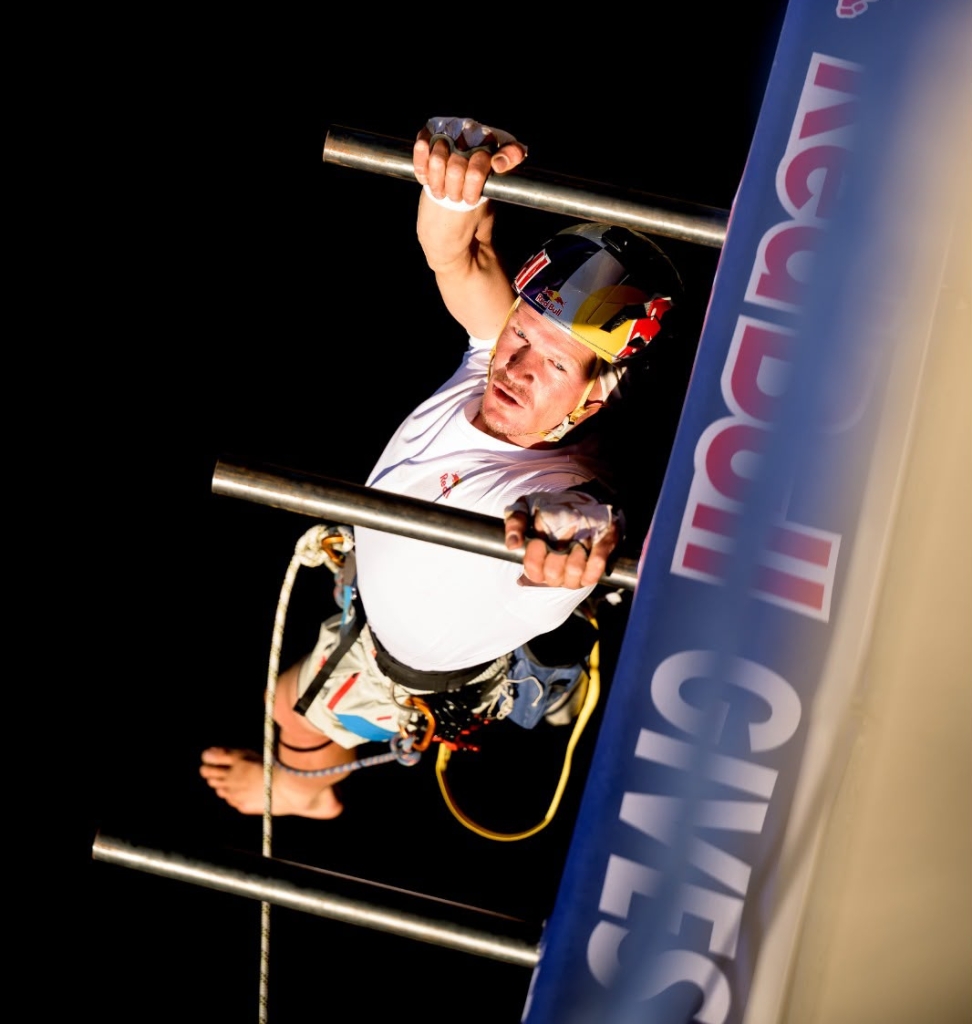
Preparing for the crossing has required months of specialised training and it has not been easy. Thomas, known in obstacle racing for his natural ability on obstacles, had quietly neglected upper-body training for years. This project forced a reckoning.
“It takes far more strength and endurance than I thought,” he admits. “I’ve picked up injuries along the way. I still have tendonitis in my elbow and my shoulders are sore. It’s been a reminder of why this sport is hard.”
The scale of the challenge hit home most forcefully the day he first stood beneath the bridge itself.
“The arch looks much bigger in person than on camera,” Thomas says. “It’s like standing at the base of a tall building. I thought, what have we done?”
More than a crossing
Getting Thomas to the start line has required a team of riggers and safety engineers tasked with designing, testing and certifying a course strong enough to carry a person along the curve of the 451-metre bridge, 216 metres above the Bloukrans River.
Leading the team is Richard Lievaart, head of rigging and safety director on the project at Vertical Safety Systems (VSS). He faced a problem that most builds never have to solve: nothing could be attached permanently to the bridge itself.
“The hardest problem to solve was that we couldn’t bolt the bridge at all,” Lievaart says. “Nothing we installed could be permanent. No bolts, no drilling, no marks left behind. Once we solved that, everything else became workable.”
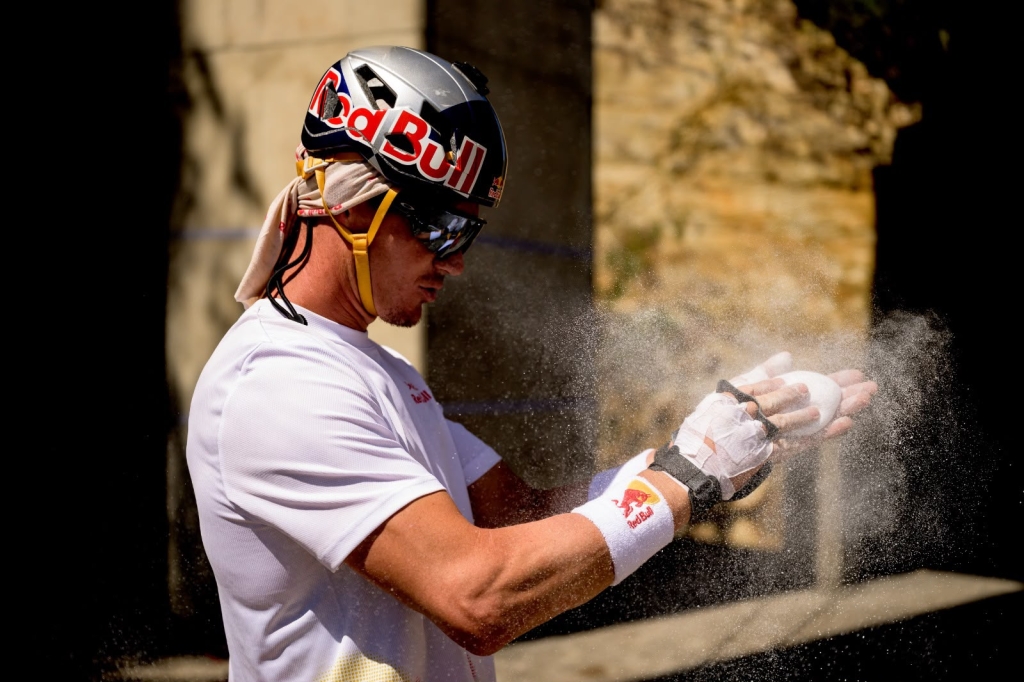
“We’ve got two completely independent points of safety,” he explains. “One is a rail system strapped to the truss. The other is a separate line running directly to Thomas, with no connection to the truss at all. If one system ever failed, the other is still there.”
“It’s a big responsibility, building something you know someone is going to trust with their life,” Lievaart says. “I’ve climbed with Thomas for years. My job is simple: he does what he came to do and he goes home safely to his family. Safety is not a compromise here.”
“Having people I trust enough to build this, and knowing I’ll get home safely, is a big part of why this is possible at all,” Thomas says.
Beyond the attempt itself, Thomas hopes the project will encourage others to chase their own improbable goals, however unusual they might seem.
“It doesn’t matter how weird your dream is,” he says. “If it’s big enough and you’re passionate about it, go for it.”
ALSO READ: OPINION I A guide’s perspective from Addo to Storms River


You must be logged in to post a comment.