


GQEBERHA – Nelson Mandela Bay residents affected by the municipality’s decision to replace its tiered electricity tariff with a flat tariff could receive credits or adjustments after a High Court order required the previous tariff system to be restored.
The municipality announced on Thursday, 27 August, that it had applied to the National Energy Regulator of South Africa (NERSA) for approval of the changes.
This follows a Gqeberha High Court order requiring the municipality to bring back the Inclining Block Tariff (IBT) that was used for qualifying domestic customers during the 2025/26 financial year.
The court order requires the previous tariff system to be included in the 2026/27 electricity tariff from 1 July. It also provides for credits for qualifying customers affected by the change.
However, the credits cannot be processed yet because NERSA must first approve the changes.
Why was the electricity tariff changed?
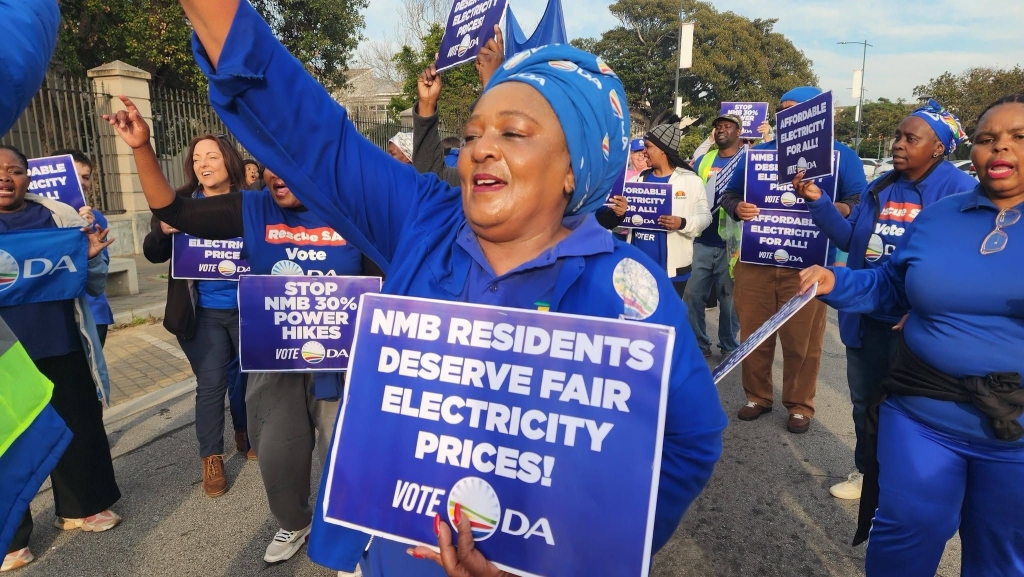
At the start of the 2026/27 financial year, the municipality changed qualifying domestic customers from the IBT system to a flat electricity tariff.
Council had approved a 10.95% electricity tariff increase for the financial year.
Under the previous IBT system, customers paid different electricity rates depending on how much electricity they used.
The first amount of electricity was charged at a lower rate, while higher rates applied as electricity use increased.
The move to a flat tariff changed how qualifying customers were charged.
The High Court order now requires the municipality to bring back the previous IBT system and apply it to the current financial year from 1 July.
What does this mean for customers?
Customers who qualify and were affected by the change could receive a credit or adjustment to their accounts.
The amount will not be the same for everyone because households use different amounts of electricity.
The municipality is already checking the affected accounts to work out the applicable adjustments.
NMBM has proposed applying the Council-approved 10.95% increase to the electricity rates used in the previous IBT system.
However, the municipality cannot complete the process yet.
It first needs NERSA to approve the proposed changes. The billing system will then have to be updated before the municipality can finalise the adjustments.
What happens next
If NERSA approves the changes, the municipality will update its billing system to bring back the previous tariff structure.
It will then continue checking qualifying accounts and process the applicable credits or adjustments.
According to the municipality, the Electricity & Energy Directorate will also run a public awareness campaign across the city.
Community meetings are planned across all six regional clusters to explain the difference between the flat and tiered tariffs, provide information about the credit process and allow residents to ask questions.
The municipality has said it will provide regular updates through its official communication channels as the process moves forward.
For now, the previous IBT system has not been restored on the municipal billing system.
The next step is for NERSA to consider the municipality’s application and written submissions, along with its technical and regulatory analysis, before making a final decision.
ALSO READ: Nelson Mandela Bay electricity tariff increase halted by High Court


You must be logged in to post a comment.