
In an effort to accelerate the fixing of potholes, the Nelson Mandela Bay Municipality recently introduced two additional systems of reporting potholes across the Metro.
This new system will see members of the public reporting potholes directly to both the Mayoral Committee Member (MMC) for Roads and Transport, and the Executive Mayor’s office for a swift response.
The MMC will then directly monitor the turnaround time of fixing the reported potholes. The system will be in implementation until December 24, 2023.
Residents or motorists can, between now and December 24, report potholes by emailing potholes@mandelametro.gov.za or call a direct landline on 041 506 2223. These are additional to the existing call centre landline of 080 020 5050 and the NMBM Mobile Application App.
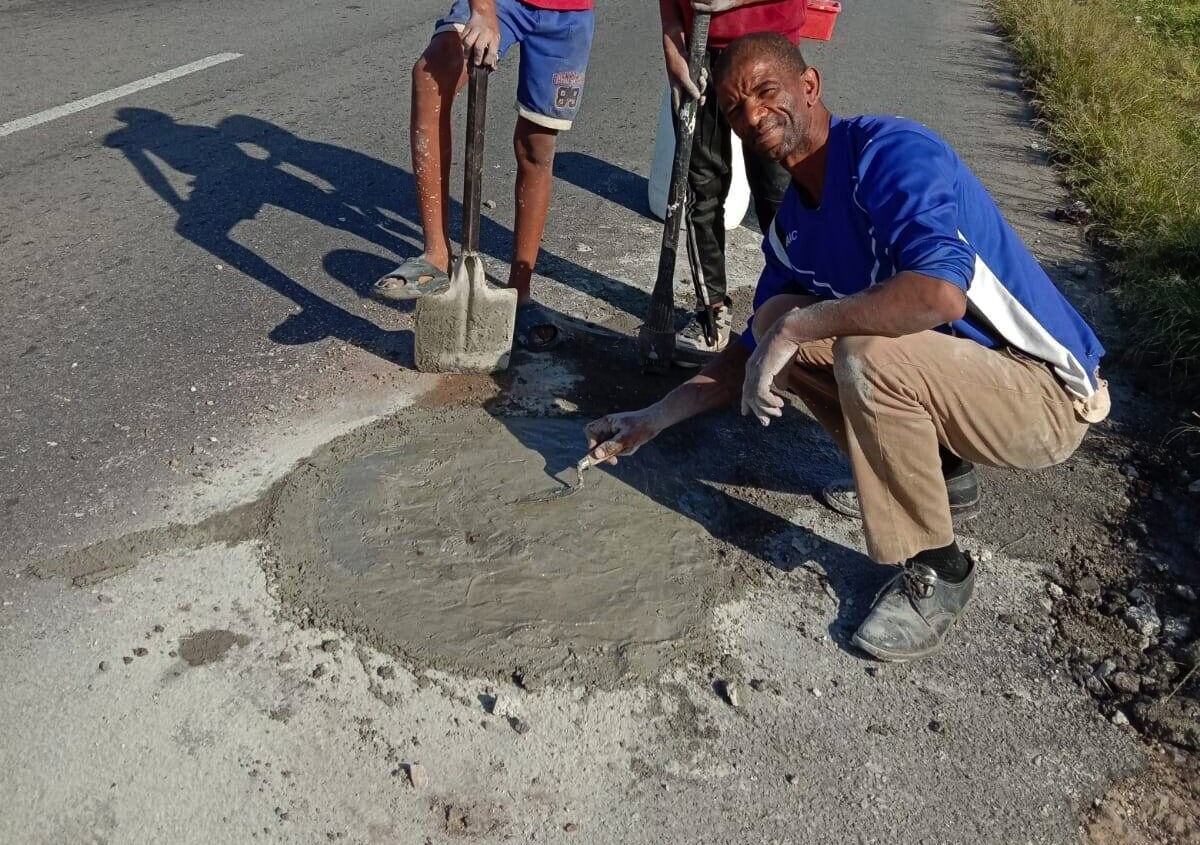
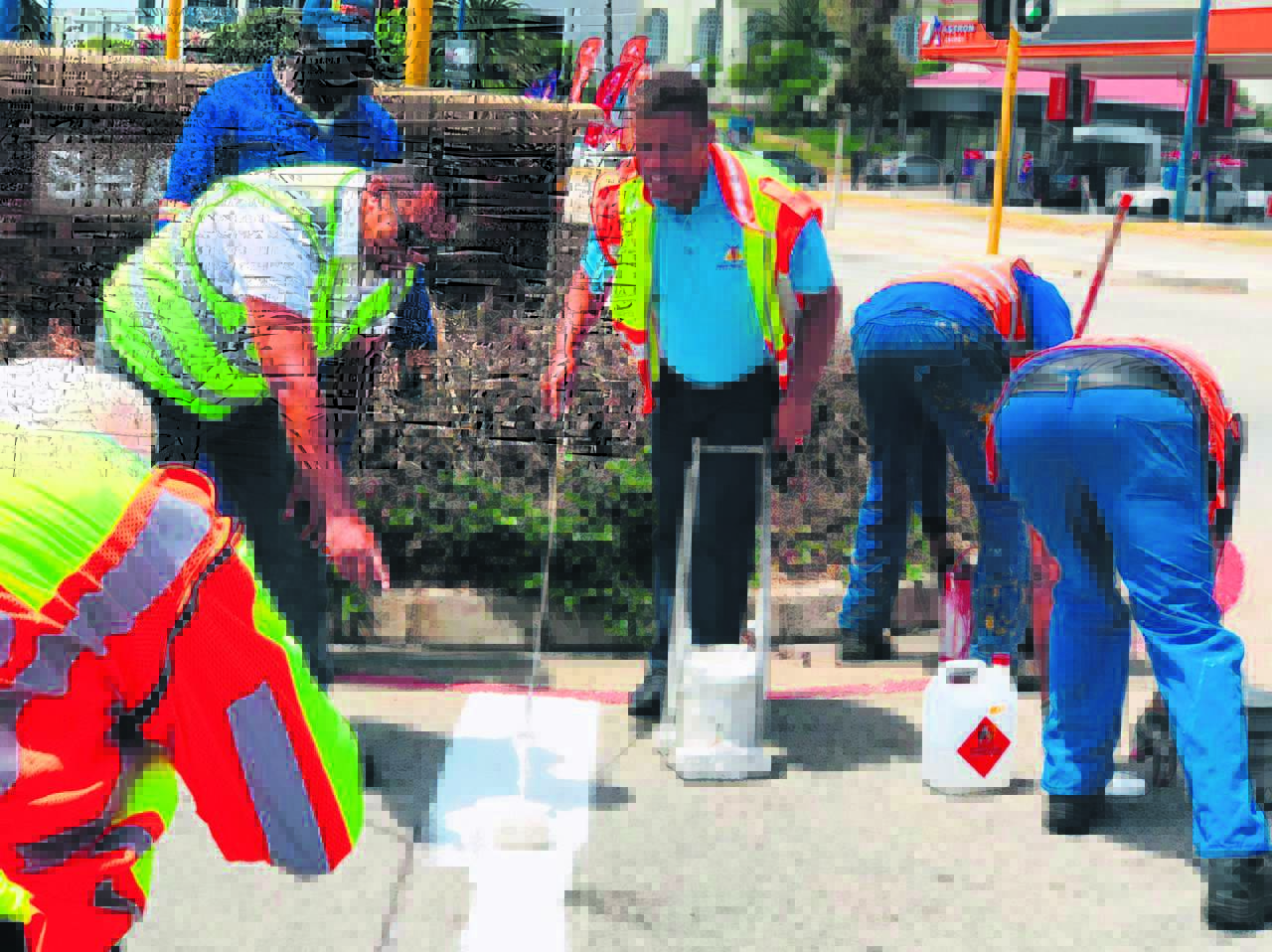
Executive Mayor Gary van Niekerk, together with Mayoral Committee Member for Roads and Transport, Councillor Bradley Murray, led a team of workers across the metro to fix potholes that were reported when the Executive Mayor introduced the new reporting system in a recent radio interview.
The metro has a budget of R500 000 allocated for fixing potholes in each of the 60 wards. Inasmuch as this new system is dedicated to accelerate fixing of potholes for safer roads within the festive season, it is also a trial period to test whether there is a need to improve the service delivery reporting systems in place.
“We aim to provide our residents with a cleaner and safer city during this festive season and beyond. We will be pushing hard to make a visible difference within a short space of time. Safer roads contribute to a safer city,” said Van Niekerk.
Murray said one of the reasons for introducing this system was to make sure that no reported pothole is missed through the system.
“We also want to monitor the work done so that we can see areas where we can improve,” said Murray.
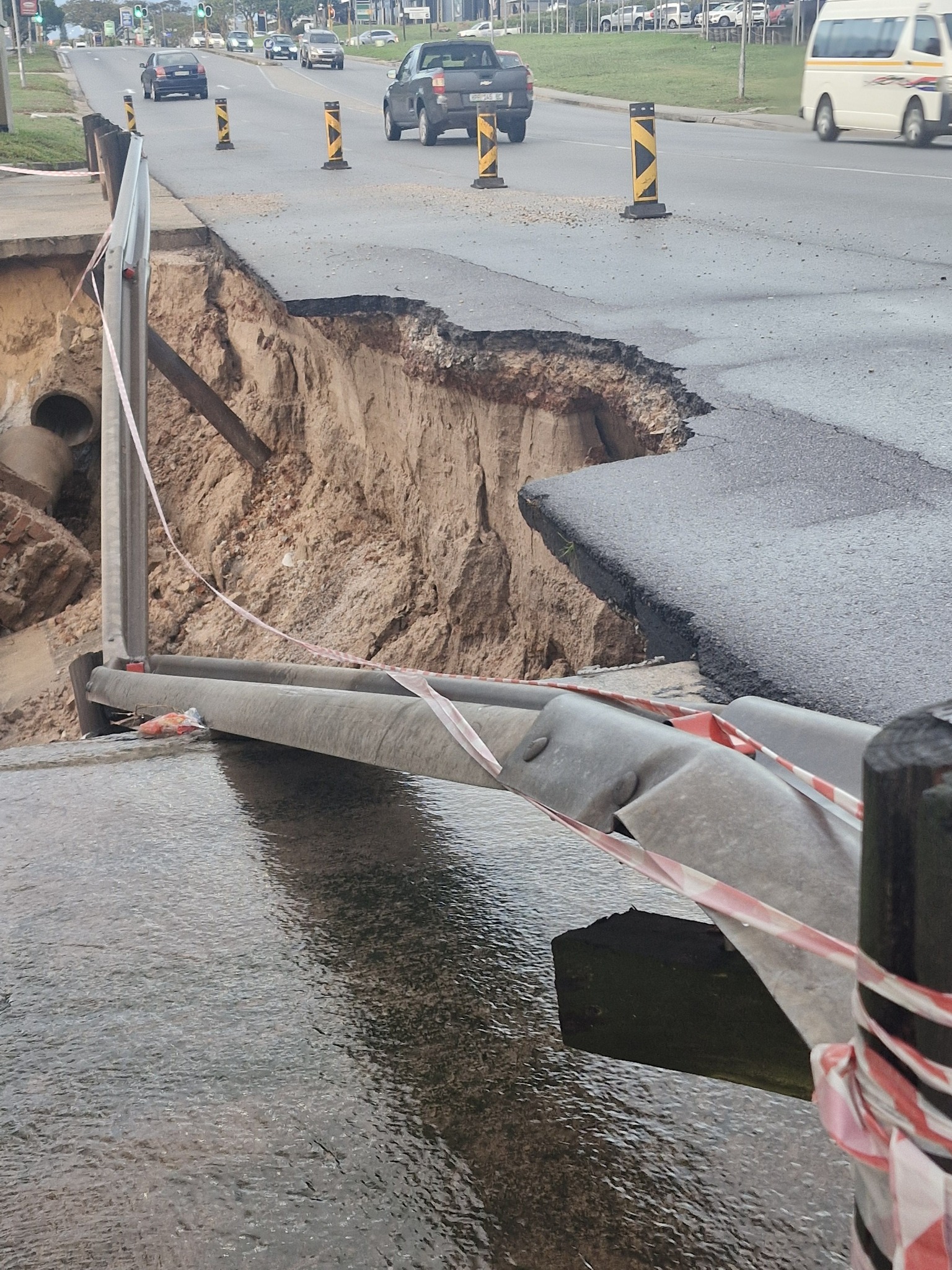
The metro has experienced a welcome above average rainfall, which has led to several potholes across the metro.
The two additional systems also assist in ensuring that main roads that are a link and an enabler to the metro’s tourism and economic activity, together with streets within residential areas, are prioritised.