

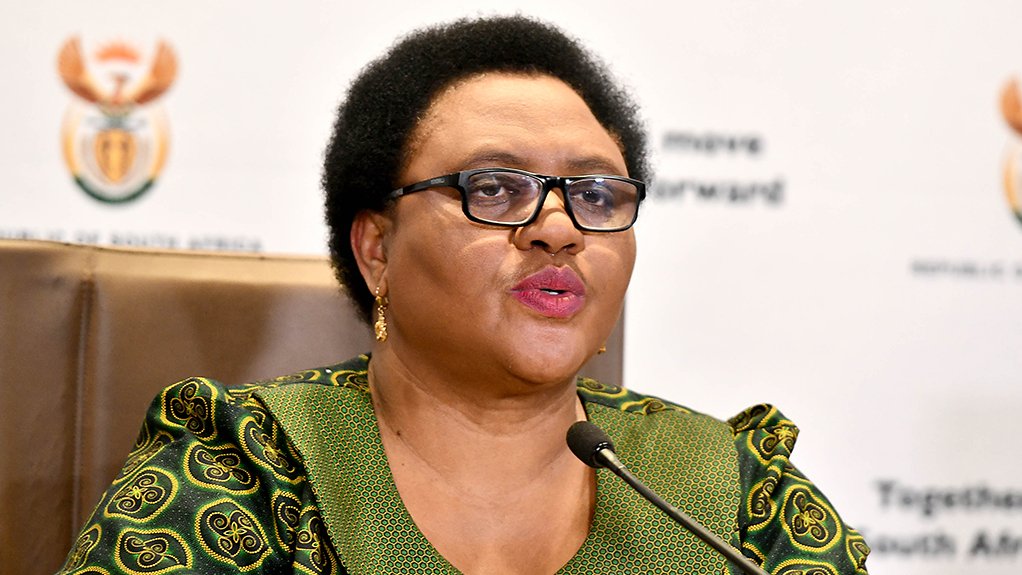
National Assembly Speaker Thoko Didiza has taken the next decisive step in what could become one of the most consequential parliamentary processes in South Africa’s democratic history, finalising the composition of a committee tasked with determining whether President Cyril Ramaphosa should face impeachment.
The move follows mounting pressure over the Phala Phala scandal, which centres on the theft of foreign currency at Ramaphosa’s game farm in Limpopo in February 2020. The incident has dogged the president’s second term and raised questions about possible violations of the Constitution and the Prevention of Organised Crime Act.
Didiza engaged the National Assembly Chief Whips Forum on Wednesday morning to discuss the committee’s makeup, acknowledging that the impeachment process represents “uncharted procedural terrain” for Parliament.
Political parties have until close of business on 22 May to submit the names of MPs who will serve on the 31-member committee.
Balancing representation with inclusivity
In determining the committee’s composition, Didiza sought to balance constitutional principles of proportional representation with the need for broad participation in the unprecedented process.
“The determination seeks to balance traditional proportional representation with a measure of inclusivity, so as to ensure that smaller political parties – which may otherwise not be accommodated through a strict mathematical application of proportional representation – are also afforded representation and participation in the committee’s work,” Parliament said in a statement.
The committee will comprise MPs from all 16 political parties represented in the National Assembly: ANC (9), DA (5), MKP (3), EFF (2), IFP (1), PA (1), FF Plus (1), ActionSA (1), ACDP (1), UDM (1), Rise Mzansi (1), BOSA (1), ATM (1), Al-Jama-ah (1), NCC (1) and UAT (1).
The ANC’s nine seats give the governing party significant influence but fall short of a majority on the committee, meaning opposition parties collectively hold 22 of the 31 positions.
Constitutional Court judgment prompts rule changes
Didiza has referred the Constitutional Court judgment that paved the way for this process to the National Assembly Subcommittee on the Review of Rules. The subcommittee will consider amendments required to the Rules of the National Assembly to accommodate the impeachment proceedings.
The committee will reconsider the findings of an independent panel established under section 89 of the Constitution, which in December 2022 found preliminary evidence that Ramaphosa may have violated his oath of office and the Prevention and Combating of Corrupt Activities Act.
The three-member panel, chaired by retired Chief Justice Sandile Ngcobo, concluded there was sufficient evidence to warrant an impeachment inquiry into the Phala Phala matter.
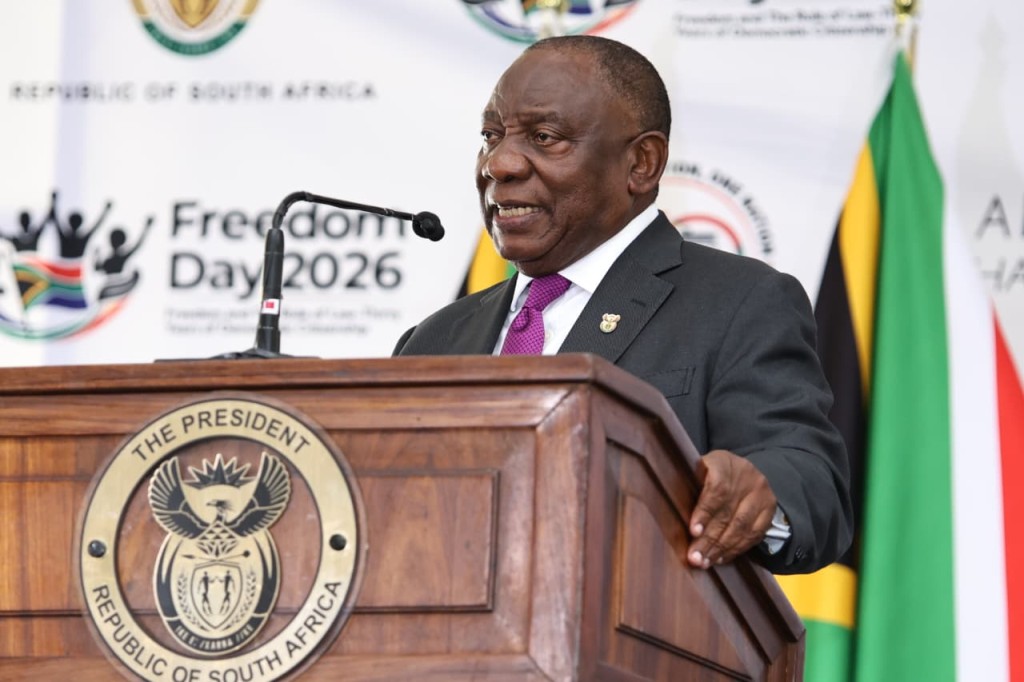
The Phala Phala scandal explained
The controversy erupted after former State Security Agency director-general Arthur Fraser laid a criminal complaint against Ramaphosa in June 2022, alleging the president had concealed a theft of $4-million in cash at his Phala Phala game farm.
Ramaphosa has maintained the money came from the legitimate sale of buffalo to a Sudanese businessman and that the amount was closer to $580 000. He has denied any wrongdoing and said he reported the matter to the presidential protection unit.
Critics have questioned why such a large sum of foreign currency was kept at the farm, whether it was declared to the South African Revenue Service, and whether the president’s response to the theft violated laws against money laundering and currency control regulations.
The National Prosecutions Authority has yet to bring charges in the matter, whilst the South African Revenue Service and the Reserve Bank have conducted their own investigations.
Presidential pushback
Ramaphosa has consistently rejected calls to resign over the matter. Speaking earlier this week, he reiterated: “I did not do anything wrong.”
The president is challenging the Section 89 panel’s report through a court review process, arguing the panel exceeded its constitutional mandate and that its findings were flawed.
The ANC’s national executive committee has backed Ramaphosa throughout the scandal, with the party voting down an impeachment motion in the National Assembly in December 2022. However, the subsequent Constitutional Court ruling has forced Parliament to revisit the matter through a formal committee process.
What happens next
Once constituted, the committee will have the power to subpoena witnesses, request documents and hear evidence. It must determine whether there is sufficient evidence that Ramaphosa committed a serious violation of the Constitution or law, serious misconduct, or is unable to perform the functions of office.
If the committee finds against the president, it will report to the National Assembly, which would then need to vote on whether to proceed with impeachment. A two-thirds majority of MPs – at least 267 votes – would be required to remove Ramaphosa from office.
The process is expected to take several months and will unfold against the backdrop of ongoing legal challenges and intense political scrutiny.
The impeachment committee represents only the second time in South Africa’s democratic history that Parliament has initiated formal proceedings to consider removing a sitting president. The first attempt, against former President Jacob Zuma over the Nkandla scandal, was abandoned after Zuma resigned in February 2018.
Political implications
The committee’s work will test the strength of South Africa’s constitutional democracy and the independence of MPs from party political pressures.
For opposition parties, the process offers an opportunity to hold the president accountable. For the ANC, it presents a dilemma: supporting Ramaphosa risks public backlash if evidence emerges of wrongdoing, whilst withdrawing support could trigger a leadership crisis.
The outcome will have far-reaching implications for Ramaphosa’s presidency, the ANC’s electoral prospects, and public confidence in Parliament’s ability to exercise oversight over the executive.


You must be logged in to post a comment.