

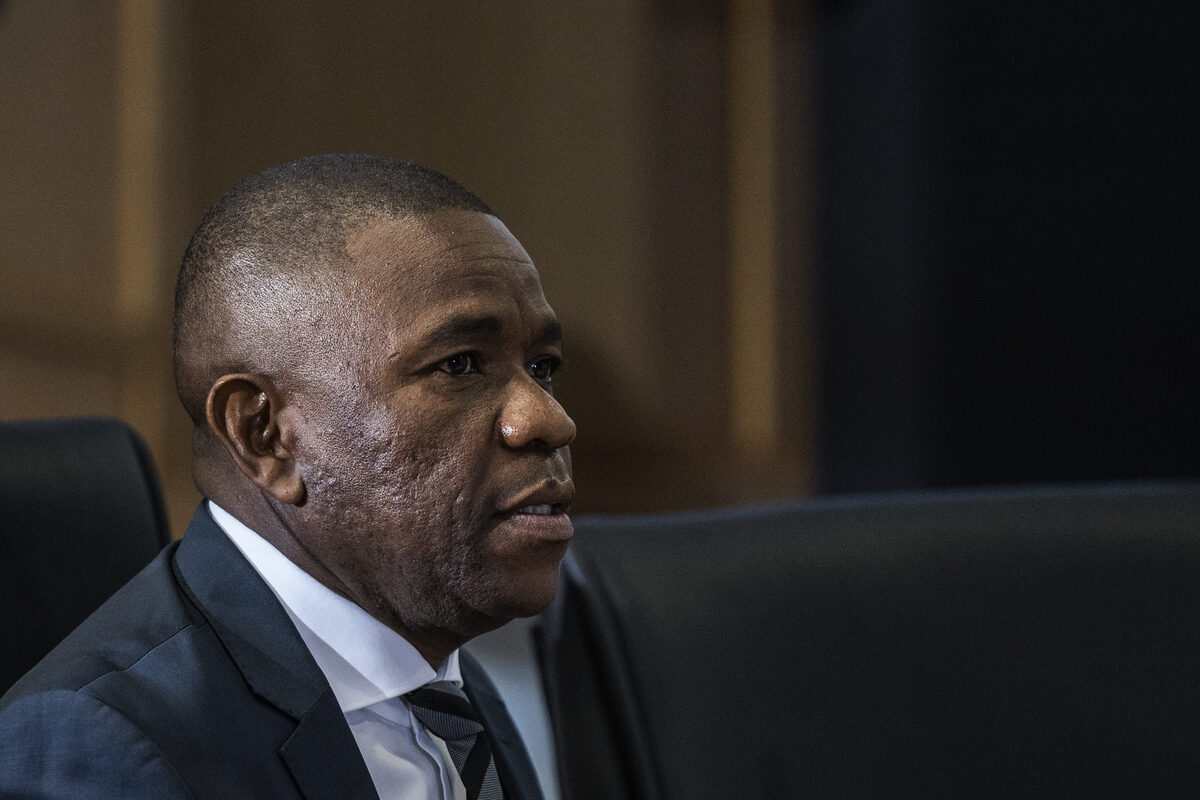
It has been one year since KwaZulu-Natal Police Commissioner Lt-Gen Nhlanhla Mkhwanazi stood before the media and delivered allegations so explosive that they would ultimately rip through the fabric of South Africa’s criminal justice system.
On 6 July 2025, Mkhwanazi made claims that seemed almost too audacious to be true: a criminal syndicate had infiltrated the highest levels of the South African Police Service, involving politicians, law enforcement officials, Metro Police, Correctional Services, prosecutors, the judiciary, and drug cartels.
What followed was a year of institutional chaos, suspended officials, shocking arrests, and revelations that have left South Africans questioning whom they can trust to keep them safe.
The revelations that started it all
During that fateful media briefing in July 2025, Mkhwanazi named names. He implicated Police Minister Senzo Mchunu, Mchunu’s associate Brown Mogotsi, and Deputy National Commissioner for Crime Detection Lt-Gen Shadrack Sibiya as central figures in the interference of police investigations.
Mkhwanazi alleged that Mchunu and other officials sought to disband the Political Killings Task Team, a unit that had been investigating organised crime syndicates and their links to high-ranking officials. He claimed that 121 case dockets had been removed from the unit following orders to shut it down on 31 December 2024.
At the centre of the scandal was businessman Vusimuzi “Cat” Matlala (49), whose companies had been awarded a R360 million tender by SAPS in June 2024. Mkhwanazi alleged that analysis of Matlala’s communications showed financial support for the political activities of Mogotsi and Mchunu.
When investigators presented dockets involving these figures to Lt-Gen Sibiya in March 2025, the investigation was allegedly stalled. Matlala had even received documentation confirming the planned disbandment of the task team, Mkhwanazi claimed.
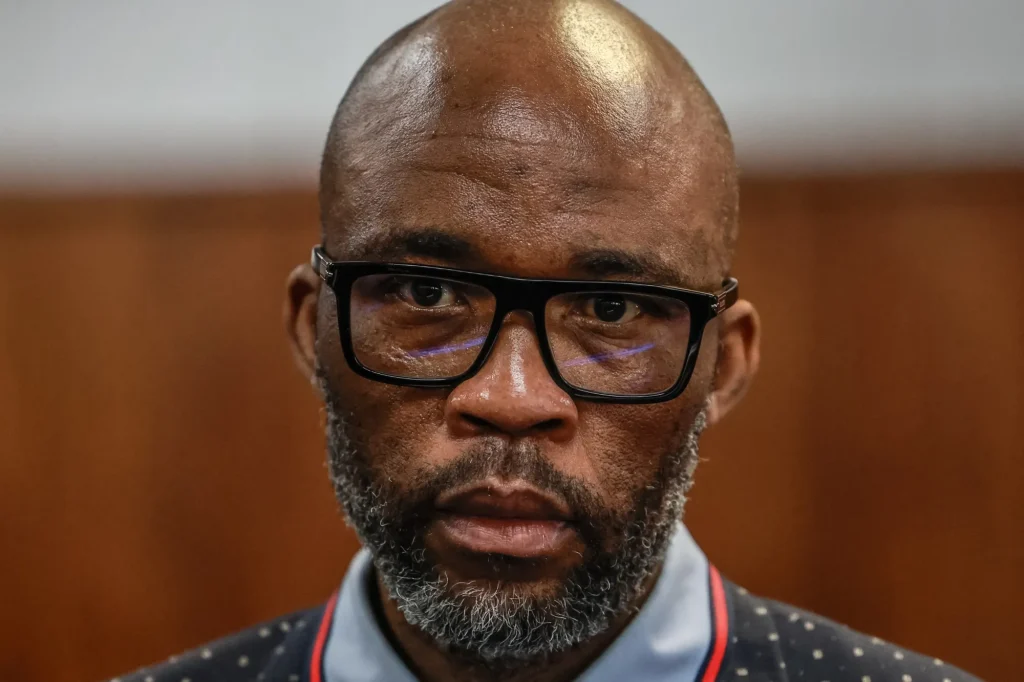
The first heads to roll
Within a week of Mkhwanazi’s bombshell press conference, the political fallout began. On 12 July 2025, Mchunu formally requested that President Cyril Ramaphosa place him on special leave.
The following day, 13 July 2025, Ramaphosa announced he had placed Mchunu on a leave of absence with immediate effect. Simultaneously, the President established a judicial commission of inquiry, to be led by retired Constitutional Court Justice Mbuyiseli Madlanga, to investigate the allegations of police infiltration by criminal syndicates and political actors.
Professor Firoz Cachalia was appointed as Acting Minister of Police, and remains in that position to this day. Mchunu, meanwhile, continues to receive his ministerial salary and benefits whilst on special leave, a situation that has drawn sharp criticism from opposition parties who have labelled it a “paid political holiday”.
In November 2025, Mchunu also requested and was granted special leave from his political duties within the African National Congress.
ALSO READ: ‘I couldn’t keep quiet’: Police chief Mkhwanazi after explosive police corruption allegations
The Madlanga Commission takes shape
The commission’s terms of reference, published in the Government Gazette, were sweeping. The inquiry was mandated to investigate eight key institutions: SAPS (including the Political Killings Task Team and Crime Intelligence), the Johannesburg, Ekurhuleni and Tshwane Metropolitan Police Departments, the National Prosecuting Authority, the State Security Agency, members of the judiciary, and the Department of Correctional Services.
Operating with a budget of R147 million, the commission was granted the power to refer matters for immediate criminal investigation and prosecution, and to sit in camera when necessary.
Public hearings began on 17 September 2025 at the Brigitte Mabandla Justice College in Tshwane. Mkhwanazi was the first witness, testifying over three days. He warned of the risk of a “total collapse” of the criminal justice system due to political interference and corruption.
ALSO READ: Judicial commission begins probe into alleged links between politicians and gangs

Senior officials suspended and arrested
As the commission’s work progressed, the dominoes began to fall.
Lt-Gen Shadrack Sibiya was placed on forced leave, just days after Mkhwanazi’s allegations. In August, he received a formal notice of intended suspension, and in September 2025, he was officially suspended after a failed court bid to challenge the action.
On 9 October 2025, heavily armed police conducted a search-and-seizure operation at Sibiya’s home in Centurion, Pretoria, seizing electronic devices. In February, whilst testifying before the Madlanga Commission, Sibiya revealed he was facing five formal charges of misconduct related to his alleged improper order to have 121 dockets handed over to him. He has denied all allegations, calling the proceedings a politically motivated campaign.
Lt-Gen Dumisani Khumalo, the Divisional Commissioner for Crime Intelligence, was arrested on 26 June 2025 at OR Tambo International Airport on charges of fraud and corruption related to the irregular appointment of a civilian to a senior SAPS position. He was granted R10 000 bail and temporarily removed from his position. In June this year a warrant for his arrest was issued again but its execution was delayed due to national security concerns around immigration protests.
Witness D: the assassination that shocked the nation
On 14 November 2025, a former Ekurhuleni Metropolitan Police Department officer and private security owner, Marius van der Merwe, appeared before the Madlanga Commission as “Witness D”. In explosive testimony, he implicated suspended EMPD deputy police chief Julius Mkhwanazi in an alleged 2022 cover-up of a murder involving EMPD and SAPS officers.
Van der Merwe testified that he had been ordered by Mkhwanazi to dispose of a body, which he subsequently dumped in a dam in Nigel.
ALSO READ: Full-scale police investigation into assassination of Witness-D leads to first arrest
Less than a month later, on the night of 5 December, Van der Merwe (41) was shot and killed outside his home in Brakpan, in full view of his wife and children. The assassination, carried out with an AK-47, sent shockwaves through the commission and drew widespread condemnation as an “attack on justice”.
In March, police arrested Matipandile Sotheni (41), a former member of the elite SAPS Special Task Force.
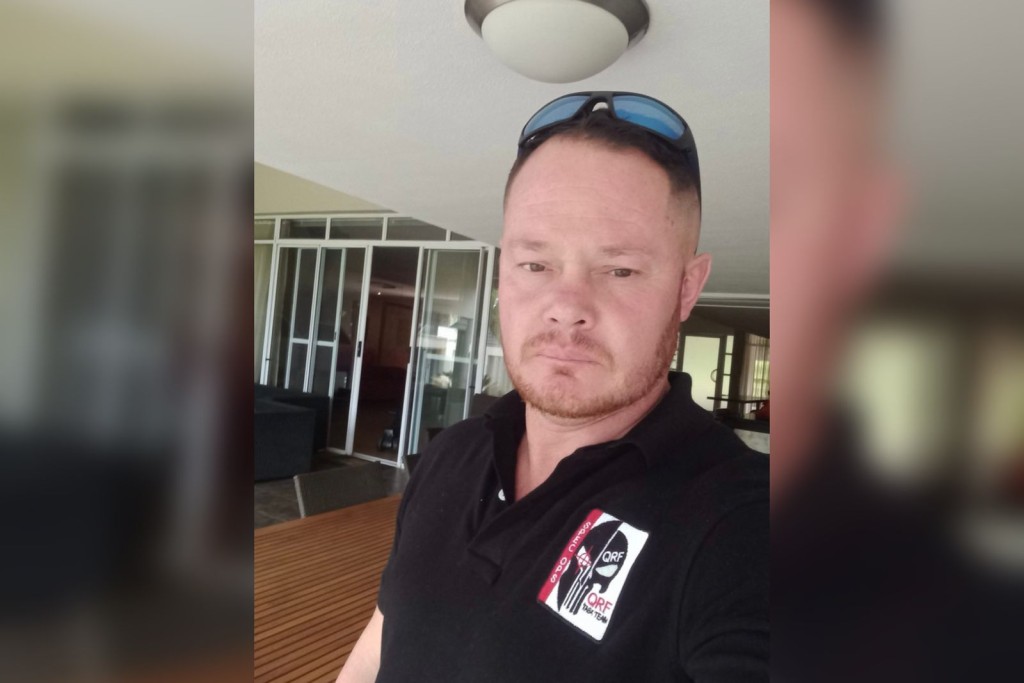
The State alleged that Sotheni was the shooter, firing from the passenger seat of a Suzuki Swift driven by another suspect, Wiandre Pretorius, who later died by suicide.
The first interim report and mass arrests
On 17 December 2025, the Madlanga Commission submitted its first interim report to the President . Though not made public, the report’s recommendations sent shockwaves through law enforcement.
On 29 January, the Presidency announced that Ramaphosa had accepted the commission’s recommendations. The report identified prima facie evidence of wrongdoing against 14 officials, including five SAPS members: Maj-Gen Lesetja Senona, Maj-Gen Richard Shibiri, Brig Mbangwa Nkhwashu, Brig Rachel Matjeng, and Sgt Fannie Nkosi.
Nine current and former Ekurhuleni Metropolitan Municipality employees were also named, including the suspended Chief of Police, Commissioner Julius Mkhwanazi.
The President directed the establishment of a special investigations task team to fast-track investigations. By March and April 2026, the “Madlanga Task Team” was making arrests.
The Cat Matlala web
The figure who emerged as the spider at the centre of this web was Vusimuzi “Cat” Matlala, a businessman from Mamelodi who had transitioned from alleged petty criminal to prominent government contractor.
On 24 March, in a major sting operation, the National Prosecuting Authority’s Investigating Directorate Against Corruption arrested Matlala, Medicare24 managing director James Murray, and 12 senior SAPS officials in connection with the fraudulent R228 million tender (originally advertised at R360 million).
The arrested officers included majors-general, brigadiers, and colonels. Investigations revealed that a SAPS captain had helped write the fraudulent bid for Matlala’s company and then chaired the committee that evaluated and recommended the tender for approval.
Among those arrested was Brig Rachel Matjeng, who had admitted before the Madlanga Commission in February 2026 to having an “on and off” romantic relationship with Matlala dating back to 2017. She maintained that money and gifts she received from him were personal, but Matlala later admitted in his plea deal to paying her R300 000 in kickbacks for referring police officers to Medicare24 for medical screening.
On 30 June, Matjeng was dismissed from SAPS following an internal disciplinary process that found her guilty of accepting unlawful gratification, money laundering, dishonesty, and conduct prejudicial to the administration of the SAPS.
National commissioner suspended
The scandal reached the very top of SAPS when, on 23 April, President Ramaphosa placed National Police Commissioner Gen Fannie Masemola on precautionary suspension.
Masemola faced four counts of contravening the Public Finance Management Act for failing to cancel the Medicare24 tender before payments were processed. Approximately R50 million had been paid out before Masemola cancelled the contract in May 2025 after audits identified it as irregular.
Lt-Gen Puleng Dimpane, the SAPS divisional commissioner for financial services, was appointed as acting national commissioner. Masemola’s case remains ongoing, with the next court appearance scheduled for August.
The ‘professional liar’ and the arrest
Brown Mogotsi, the North West businessman and alleged political fixer, became one of the commission’s most controversial witnesses. During testimony in November 2025, his credibility was savaged by evidence leader Matthew Chaskalson, who labelled him a “professional liar” after identifying contradictions in his evidence.
In April, Mogotsi filed an application to have Chaskalson recused from the inquiry, but this application was dismissed by Justice Madlanga. During the proceedings, evidence leaders urged the commission to refer Mogotsi to SAPS for criminal investigation regarding potential perjury and forgery, alleging he had submitted falsified records to support his recusal bid.
Later that same day, Mogotsi was arrested by police shortly after concluding his testimony on a charge of defeating the ends of justice, linked to an allegedly staged shooting/assassination attempt on himself in Vosloorus in November 2025.
Matlala’s plea deal
On 25 June, in a dramatic turn, Matlala pleaded guilty to seven counts of fraud, corruption, and money laundering related to the SAPS health tender. Under a Section 105A plea and sentencing agreement negotiated with the Investigating Directorate Against Corruption, he agreed to provide state testimony against senior police officers in exchange for a reduced sentence.
The Specialised Commercial Crimes Court magistrate however rejected that plea agreement as too lenient and proposed a 12-year sentence instead. The parties (state and Matlala) now have to decide whether to accept the harsher term, with the matter returning to court on 13 July.
Matlala also faces a separate trial on 25 charges, including 11 counts of attempted murder related to shooting incidents between August 2022 and January 2024. He has been held in a maximum-security prison whilst awaiting trial.
The second interim report and ongoing work
The commission submitted its second interim report to President Ramaphosa on 29 May. The report has not been made public, but hearings in the lead-up focused on the seizure and theft of drugs, specifically allegations regarding a 541kg cocaine haul from the Hawks’ offices in Port Shepstone.
Public hearings resumed on 1 June, with the commission expected to continue its work until the submission of its final report on 31 August.
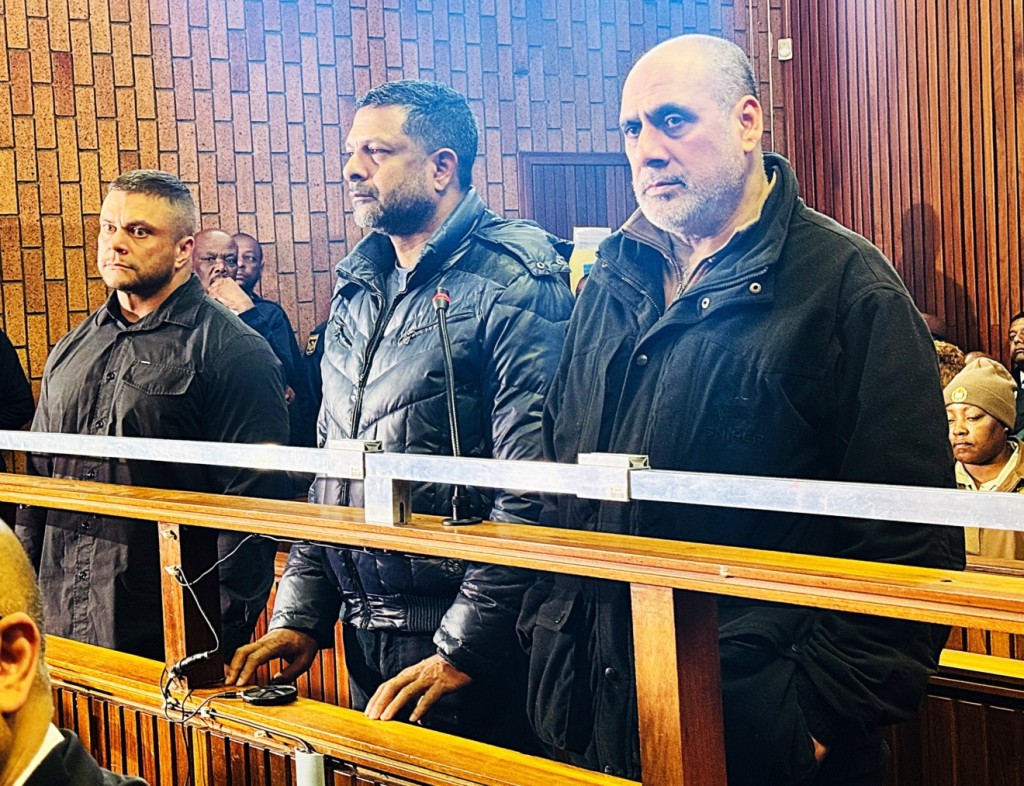
The attempted assassination of Maj-Gen Feroz Khan
Just last week, the commission was rocked by another violent attack. On the evening of Sunday, 28 June, suspended Crime Intelligence Deputy Head Maj-Gen Feroz Khan was shot multiple times outside his home in Houghton, Johannesburg.
Khan was approached by gunmen in a white Mercedes-Benz at approximately 23:00 and sustained severe abdominal gunshot wounds. The shooting occurred just three days before Khan was scheduled to testify before the Madlanga Commission.
Khan’s legal team had applied to have his testimony heard in camera, but the commission rejected this application as “too vague”, stating his legal team failed to explain why his evidence could not be presented in public.
ALSO READ: High-level investigation launched after shooting of suspended crime intelligence boss
Despite Khan’s hospitalisation and inability to testify, the commission has continued its proceedings. This week, evidence leaders read into the record allegations that Khan facilitated the rigging of SAPS tenders, including Covid-19 personal protective equipment contracts and IT projects, and that he collaborated with suspended SAPS Divisional Commissioner for Supply Chain Management Molefe Fani (who previously served at National Treasury) to influence tender processes
The commission heard evidence of WhatsApp communications allegedly showing Khan facilitating improper benefits for businessman Mohammed “Mo” Sayed and his associates.
A nation in crisis
One year on from Mkhwanazi’s revelations, South Africa finds itself in an unprecedented crisis of confidence in its law enforcement institutions.
A police minister remains on indefinite paid leave. The national police commissioner is suspended and facing criminal charges. His deputy is suspended and facing misconduct charges. The head of Crime Intelligence has been arrested twice. Senior officers by the dozen have been arrested or suspended.
At the centre of it all is a businessman who allegedly captured police officials through bribery, romantic relationships, and financial support for political activities.
As South Africans await the Madlanga Commission’s final report in August, the question remains: can the damage be undone, or has the rot spread too deep?



You must be logged in to post a comment.