The presidency has granted the Commission of Inquiry into Criminality, Political Interference, and Corruption in the Criminal Justice System additional time to complete its high-profile investigation, pushing the reporting deadline to mid-November following a year of explosive testimony.
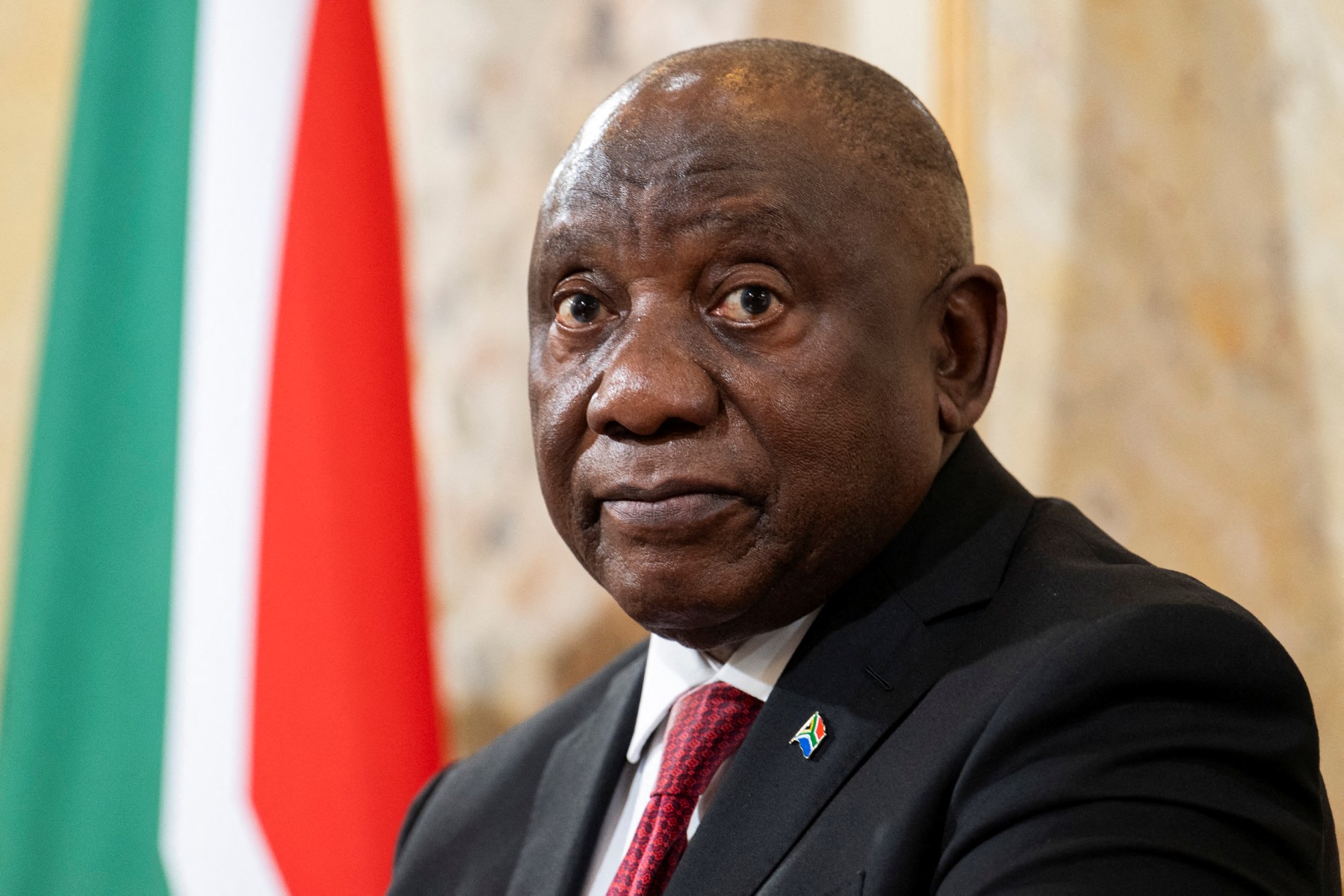
President Cyril Ramaphosa extended the commission’s deadline to Monday, 16 November, moving it from the initial end-of-August target. The commission, headed by Justice Raymond Madlanga, will conclude hearing evidence on Friday, 2 October.
“The extension granted by the President sets an evidence deadline of Friday, 2 October, and a reporting deadline of Monday, 16 November, to enable the Commission to close off topics it has opened up in the course of hearings to date,” the presidency said in a statement on Thursday.
“The extension allows the Commission to hear evidence on all of the matters listed in its terms of reference. Without an extension, the Commission will have to leave large parts of its work unfinished.”
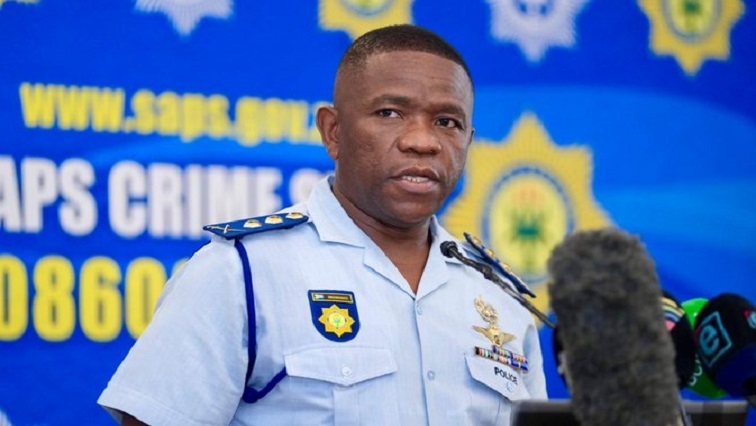
The commission was established in July 2025 following explosive allegations by KwaZulu-Natal Provincial Commissioner Lieutenant-General Nhlanhla Mkhwanazi. During a media briefing on 6 July 2025, Mkhwanazi claimed that organised crime syndicates had infiltrated the South African Police Service, the National Prosecuting Authority, the judiciary, and the Department of Correctional Services.
His allegations included claims that Police Minister Senzo Mchunu and senior police officials had interfered with investigations into political killings and maintained links to criminal figures. Mkhwanazi presented text messages, invoices, ballistics reports, and official correspondence to support his claims.
The commission was initially budgeted at R147.9 million for a six-month term. By April, R123 million had been spent, leaving the Department of Justice and Constitutional Development scrambling for additional funds. Justice Minister Mmamoloko Kubayi approached Finance Minister Enoch Godongwana to request supplementary allocations to cover the extended period.
The inquiry has already produced significant results. In December 2025, the commission submitted its first interim report, identifying prima facie evidence of criminality, corruption, fraud, murder, and perjury by officials within the police service, the City of Ekurhuleni, and the Ekurhuleni Metro Police Department. Fourteen individuals, including nine current and former municipal workers and five police officers, were referred for criminal investigation.
Ramaphosa responded by directing the establishment of a special investigations task team to fast-track the cases.
Recent hearings have focused on systemic weaknesses in anti-corruption mechanisms. On 9 July, World Bank expert Albertus Schoeman testified about critical gaps in the police service’s financial disclosure regime. He revealed that current asset declaration forms do not adequately cover beneficial ownership, allowing officials to conceal assets they control without formally owning them.
ALSO READ: One year later: How the Madlanga Commission ripped through the justice system
Schoeman also disclosed that the police service had failed to conduct lifestyle audits for five years, leaving unexplained wealth within the force largely unexamined.
The commission has submitted two interim reports to Ramaphosa to date.
“President Ramaphosa once again expresses his deepest appreciation for the work conducted by Commission as well as for the manner in which law enforcement agencies are following up testimony emerging from Commission hearings,” the presidency said.
The financial implications of the extension remain uncertain as the department awaits confirmation of additional funding from National Treasury.