

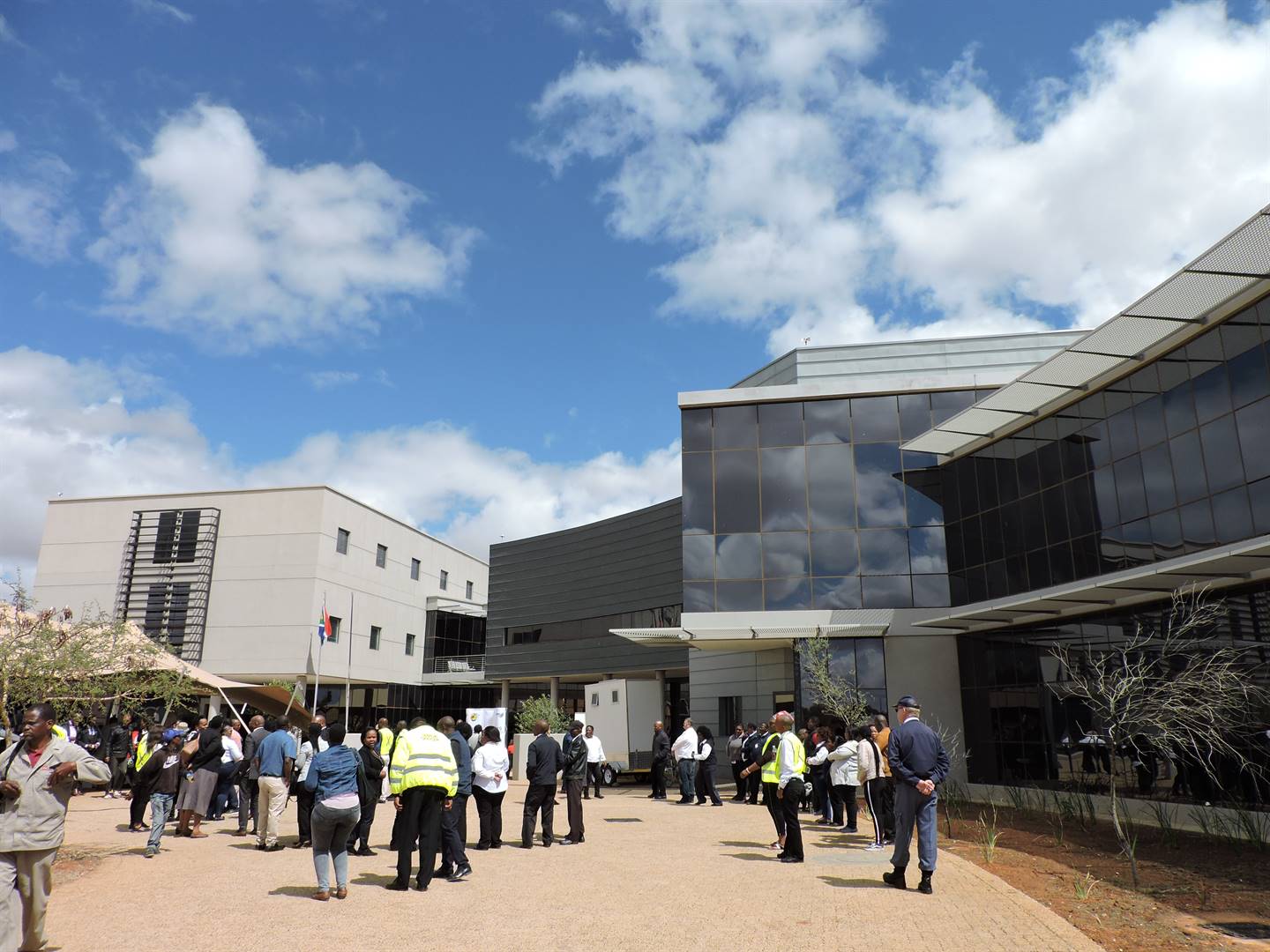
A damning investigation report revealed that patients at the Northern Cape Mental Health Hospital literally froze to death last year due to systemic failures and infrastructure breakdown.
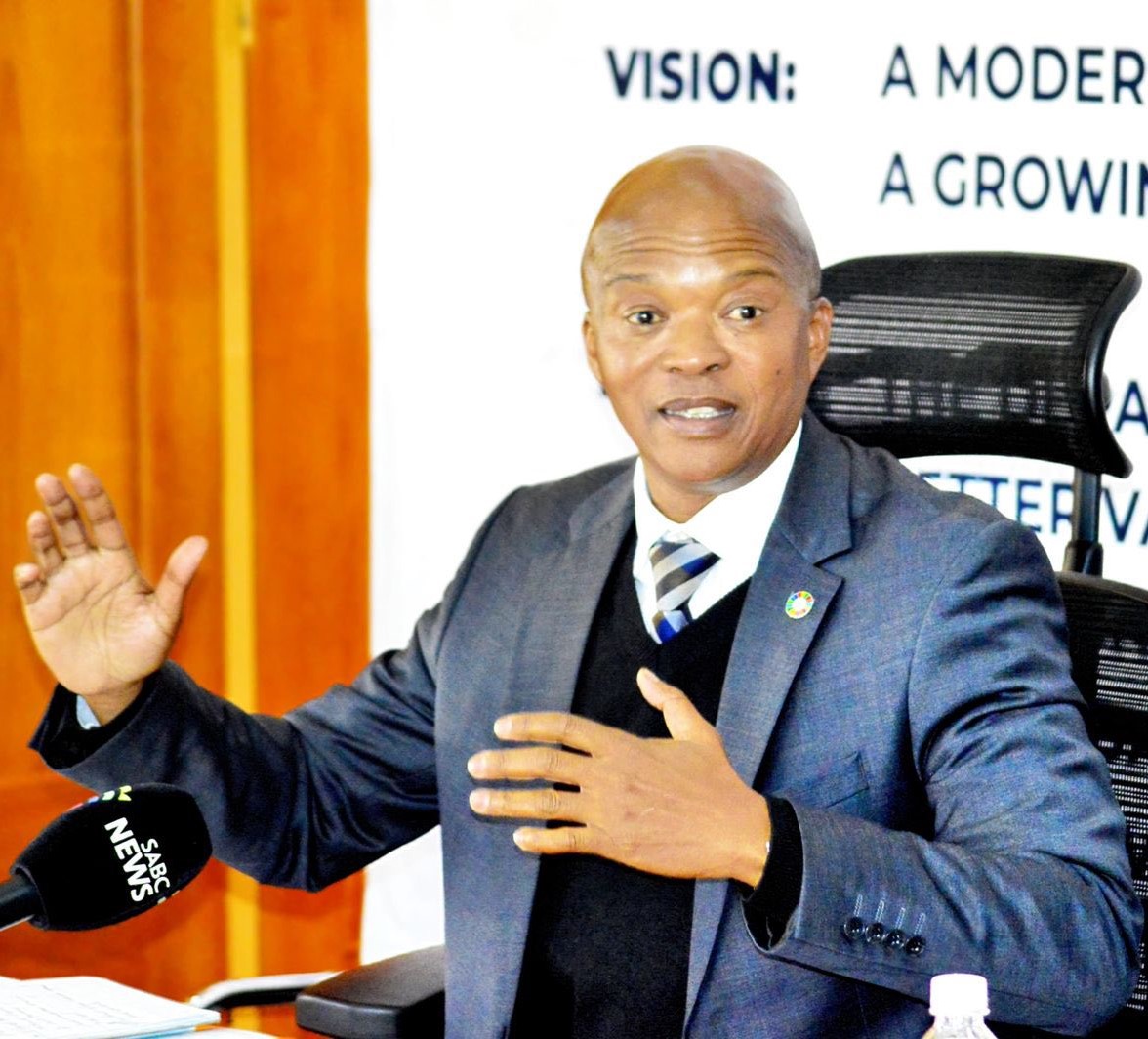
This report was released by the Health Ombudsman, Professor Taole Mokoena, on Wednesday, 30 July.
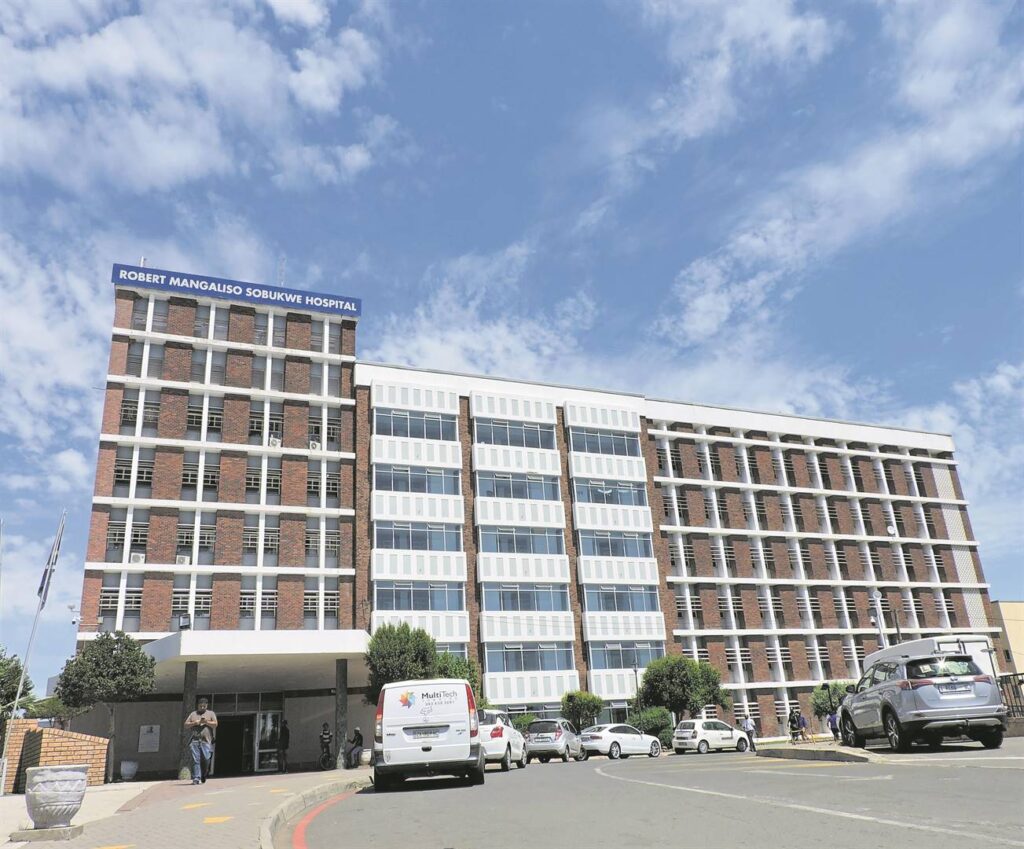
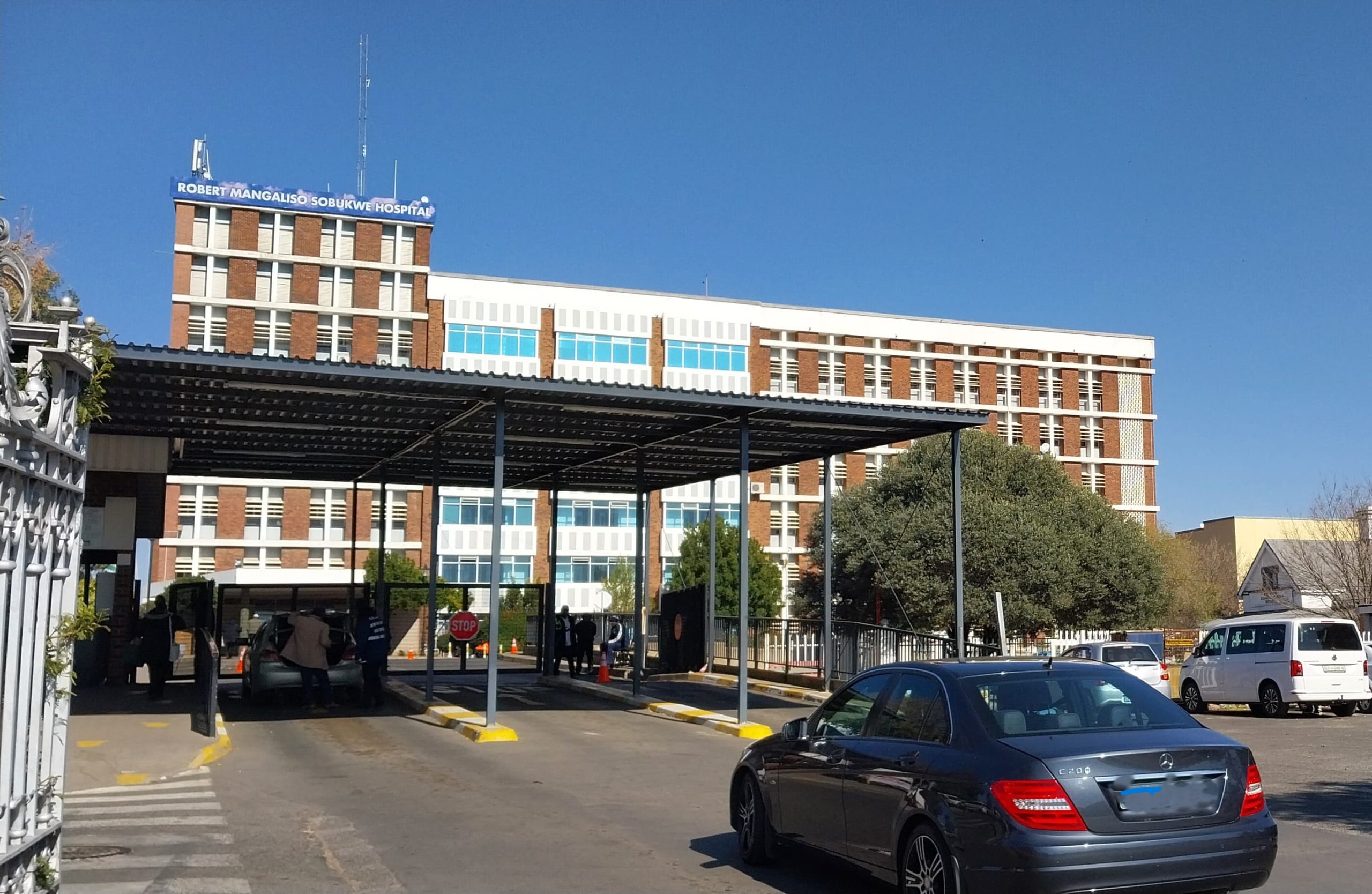
The investigation, conducted jointly with the Human Rights Commission (HRC), examined patient deaths and treatment conditions at the Northern Cape Mental Health Hospital and the Robert Mangaliso Sobukwe Hospital (RMSH), both in Kimberley.
The investigation established that two patients died under alarming circumstances. Cyprian Mohoto died on 16 July 2024 in the RMSH after being referred from the mental health facility for treatment. Tsepo Ndimbaza died suddenly at the mental hospital on 3 August 2024. Both deaths were directly linked to extreme cold exposure and inadequate medical care.
Three patients were referred from the mental health hospital to RMSH in critical condition: John Louw (referred 6 July), who developed a stroke potentially attributable to extreme hypothermia; Mohoto (referred on 13 July), who died of multilobe pneumonia on 16 July; and Petrus de Bruin (referred on 30 July), who also suffered hypothermia.
The investigation found that during this period, patients were “freezing to death literally.”
“The root cause of these tragic deaths was the Northern Cape Mental Health Hospital’s prolonged electricity outage caused by cable theft and vandalism of the electrical substation. This infrastructure failure affected not only the mental hospital but also adjacent facilities including Mediclinic Gariep, who fixed the problem within days, as well as the Careline Clinic private psychiatric hospital,” Mokoena said.
The power outage created a cascade of dangerous conditions. Nurses were forced to work in complete darkness, using their personal mobile phone torches to navigate the facility. Electromagnetic door locks became non-functional, creating major security breaches as staff improvised by keeping doors open with heavy objects. The telephone system was inoperable, forcing staff to use personal mobile phones for official communication.
“Most critically, the lack of electricity meant that essential medical equipment could not function. Emergency resuscitation equipment had flat batteries and could not be charged, preventing staff from providing life-saving interventions. Patient Ndimbaza, who died at the hospital, and De Bruin, who required resuscitation before transfer, could not receive necessary emergency care due to equipment failures.”
Management and clinical care failures
Beyond infrastructure problems, the investigation revealed profound management and clinical care failures at both institutions. The Northern Cape Mental Health Hospital operates at only 53% of its commissioned capacity due to acute staff shortages, particularly among professional nurses. Some shifts operate without any professional nurses, with enrolled nurses and assistants inappropriately placed in charge of high-acuity units.
Mokoena said the investigation found poor record-keeping practices, with nursing and medical staff failing to maintain up-to-date patient vital signs.
“Both hospitals lacked written protocols, standard operating procedures, and guidelines for patient management. The absence of professional leadership was attributed to instability at the provincial Health Department level, where senior management positions are filled by acting personnel.”
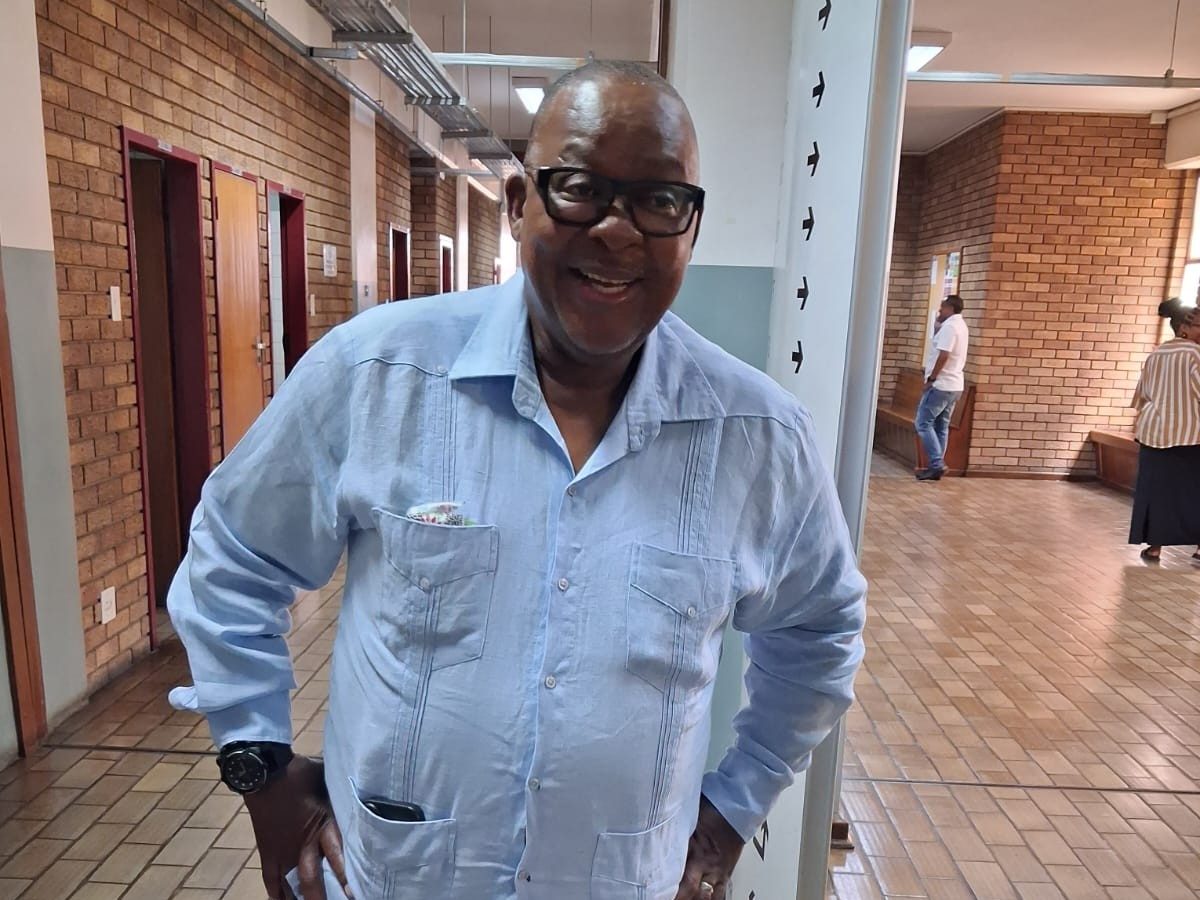
Professor Taole Mokoena
The report detailed “shocking” examples of clinical negligence. Mohoto was referred from the mental hospital for presumed bile obstruction, but upon arrival at RSMH, X-rays revealed no obstruction but rather multilobe pneumonia. Despite this diagnosis, the patient was discharged by a medical officer without treating the pneumonia. Mohoto remained in the surgical recovery unit for three days without being seen by senior doctors, and his deteriorating condition went unnoticed until shortly before his death.
“Ndimbaza was discovered unresponsive in his bed at the mental hospital, hypothermic and hypoglycaemic. His resuscitation was insufficient due to lack of equipment, and the post-mortem reported that his cause of death was exposure to the elements.”
Procurement and infrastructure issues
The investigation uncovered additional concerning findings, including inappropriate procurement practices. The hospital purchased golf carts, inappropriate hospital beds, and superfluous furniture while lacking essential medical equipment. Poor-quality pyjamas and garments were supplied by Tropical Enterprise, failing to provide adequate warmth for patients during the critical winter period.
“The mental hospital suffers from poor infrastructure maintenance, including broken windows creating security risks, blocked sewage systems, leaking roofs, and sagging ceilings. The investigation noted evidence of poor workmanship during the hospital’s original construction, with some individuals having been charged for construction-related corruption.”
Recommendations and ministerial response
Mokoena’s report includes extensive recommendations grouped around human resources, equipment, infrastructure, and staff training. Key recommendations include urgently addressing staff shortages through recruitment and retention drives, appointing non-South African professionals where local candidates are unavailable, and acting against provincial supply chain management for procurement failures.
The recommendations call for comprehensive standard operating procedures, leadership training for senior nurses, cessation of inappropriate appointments of enrolled nurses to manage units without professional supervision, and establishment of effective reporting systems. Both hospitals must conduct regular clinical audits, provide proper clinical documentation training, and prioritise procurement of appropriate emergency equipment.
Health Minister Dr Aaron Motsoaledi, receiving the report, described the situation as “multi-system organ failure” if the hospitals were human patients. He expressed disappointment given that RMSH was once considered among the country’s best facilities when it opened.
The minister criticised the clinical failures. “I cannot understand how a doctor would find a mentally ill patient with pneumonia and refer them back to the mental hospital without treatment.”
He indicated plans to refer medical staff to the Health Professions Council and Nursing Council for professional misconduct proceedings, going beyond the report’s training recommendations.
Regarding infrastructure failures, Motsoaledi revealed that following Eskom’s load-shedding implementation years earlier, his department had established protocols requiring all hospitals to maintain adequate generator capacity and assign dedicated personnel to monitor backup power systems. The failure to implement these protocols contributed to the tragic outcomes.
This investigation highlights broader systemic issues within South Africa’s healthcare system, particularly regarding mental healthcare facilities.
“We received R6,7 billion in additional funding to be allocated to address healthcare infrastructure and staffing shortages nationally, including hiring 1 200 doctors, 2 000 nurses, and 250 other healthcare workers.
“This investigation unfortunately draws uncomfortable parallels to the Life Esidimeni tragedy, where mental healthcare patients died due to systemic failures. It underscores the vulnerability of mental healthcare patients and the critical importance of maintaining basic infrastructure and clinical standards in psychiatric facilities.”
Health Minister Dr Aaron Motsoaledi
“I urge Northern Cape MEC Maruping Lekwene, to procure linen and pyjamas from the Department of Labour’s Enterprise Project where people with disabilities produce good quality garments and linen, rather than using unknown companies like Tropical Enterprise,” Motsoaledi said.
The minister will see to it that the cases against clinical and managerial staff are referred to the appropriate professional bodies for disciplinary steps.

- A detailed report is available on the Health Ombud’s website at healthombud.org.za



You must be logged in to post a comment.