


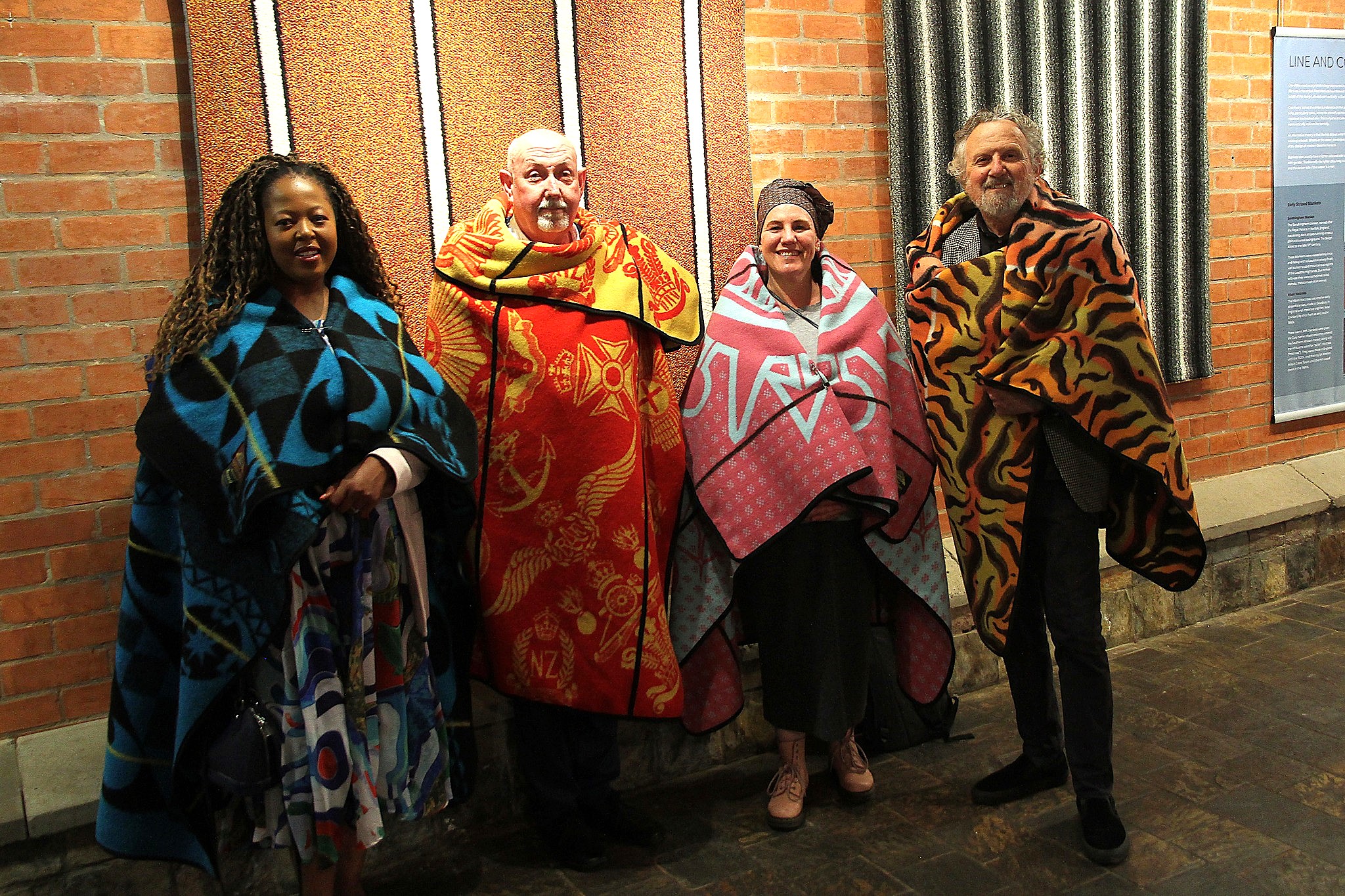
BLOEMFONTEIN – A unique exhibition, Sutha ke Fete, is showcasing both traditional and contemporary Basotho blankets. This exhibition is in the Oliewenhuis Art Museum’s Reservoir Gallery in Bloemfontein. It has been extended to 15 February 2026. The exhibition officially opened on 19 September and was initially scheduled to close on Sunday, 16 November.
This extension makes it one of the longest exhibitions at the art-attraction museum. It also affords the public ample opportunity for viewing. People can learn about the historic value of the blankets to the Basotho nation.
Sutha ke Fete means “make way so I may pass” in Sesotho
The exhibition’s opening during September matched the start of the Basotho cultural season. This season begins in August (Phato) and continues through September (Selemo). This exhibition of the globally iconic Basotho blankets is a collaboration between the National Museum and Sanlam. A total of 26 blankets forming part of the rich Basotho heritage are showcased. These iconic blankets are on loan from the Anthropology Collection of the National Museum and from the Sanlam Art Collection.
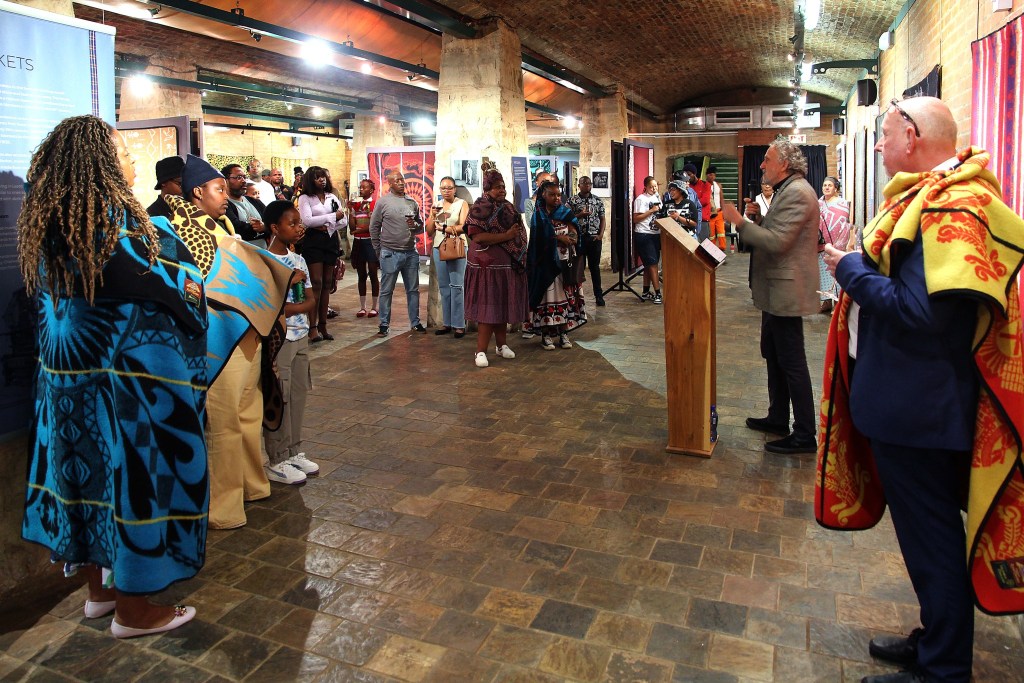
The blankets on exhibition include Aranda’s Young Basotho Designer range. They tell the stories of these textiles. These textiles have become an iconic cultural symbol of a nation.
Basotho wear blankets for various reasons: warmth, cultural identity, and status. The blankets serve as traditional attire that provides both practical protection and symbolic meaning. In addition, they are symbols of identity, pride, and cultural continuity. Each design is unique and reflects their history, values, and connection to the land.
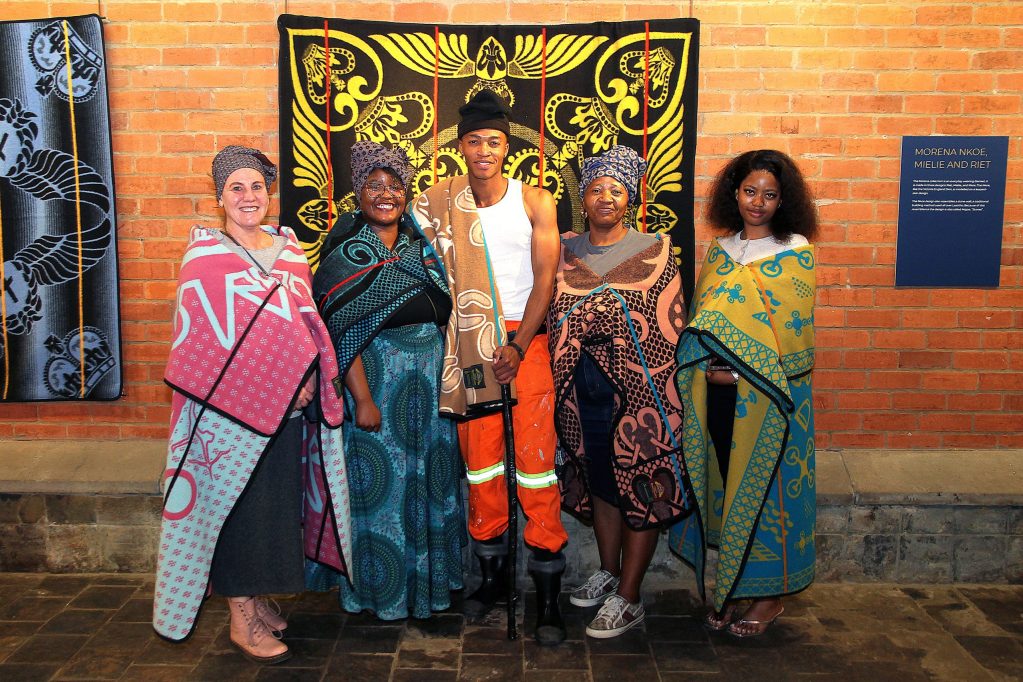
The icons of a nation
The blankets hold a rich tapestry of history, reaching back about 160 years to when they were first manufactured in mills in England’s Yorkshire, before winding their way to the Cape of Good Hope, Port Elizabeth, and then on to Leribe and the other mountainous districts of Basutoland (now Lesotho). They tell intertwining tales of Africa and England, and clothiers and early capitalism.
The patterns of the blankets were made possible by the invention of the Jacquard weaving machine – one of the earliest examples of computation – during the British Industrial Revolution. Missionaries first brought blankets to King Moshoeshoe’s nation in 1845. English traders then established trading posts to meet demand, and began developing new designs in collaboration with their customers, such as the famed Seanamarena blanket. To date, the blankets have been part of Basotho culture for over a century, with the original “Victoria England” designs enduring for generations; these will be displayed at the exhibition.
The public is encouraged to visit the museum to view these richly decorated heritage blankets and can learn about their historical significance. Learning includes hearing how Basotho have specific, culturally-defined ways of teaching and wearing the traditional blanket as well as their names.
Some names for Basotho blankets include “Seanamarena,” “Lehlosi,” “Victoria” or “Malakbane,” and “Letlama.” The Seanamarena is the royal crown jewel of the Basotho blankets, and carries a rich legacy dating back to the 1930s. Its name means “to swear by the Chiefs.”
For more information contact the museum at 078 968 4300 or oliewen@nasmus.co.za. The museum is open to the public from Monday to Friday between 08:00 and 17:00; and on Saturdays, Sundays, and public holidays between 09:00 and 16:00.



You must be logged in to post a comment.