
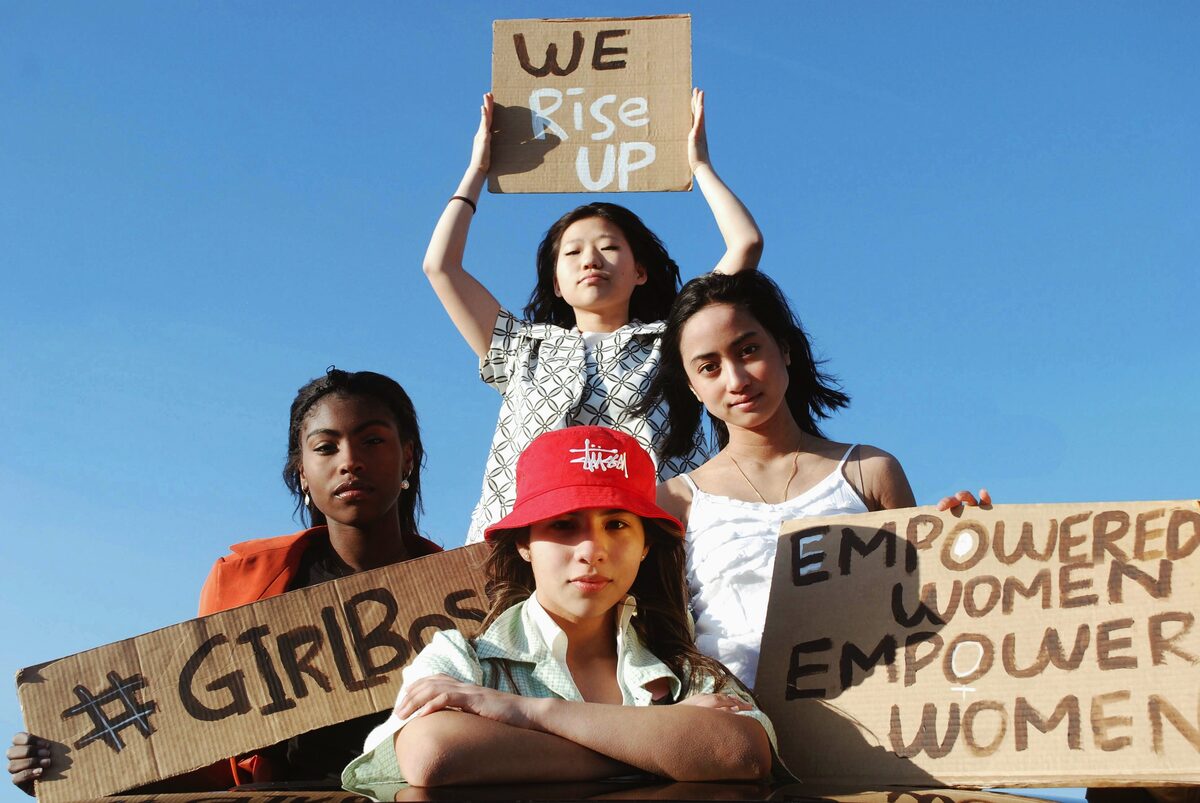
Empowerment belongs to every woman – whether she is a student preparing for her future, an unemployed woman seeking opportunities or an employee balancing work and family.
True empowerment is practical, lived daily and supported by strong networks such as Famsa.
Building confidence through effective communication
Confidence is the foundation of empowerment. One quick tip is to use “I” statements – they show ownership and keep communication respectful. Keeping your tone calm but firm ensures your message is heard without conflict.
For example, in a workplace caucus meeting, instead of saying: “You never consider our family responsibilities,” a woman might say: “I feel stressed when shift changes are announced without notice, because it affects my ability to plan for my children. I suggest we receive updates at least a week in advance.”
Students can apply the same skill in study groups: “I feel overwhelmed when assignments pile up, so I suggest we create a study schedule together.”
Unemployed women can use it in interviews: “I feel motivated when I’m given clear tasks, and I suggest starting with a trial project to show my skills.”
In community meetings, mothers might say: “I feel worried when children play near unsafe areas, so I suggest we organise a clean-up day.”
Safety and support systems
Safety is a universal right. Women often face challenges such as gender-based violence (GBV). Empowerment means knowing where to turn for help, supporting one another and refusing silence.
Reporting channels include SAPS Crime Stop (08600 10111), the GBV Command Centre (0800 428 428) and local police stations. Survivors can access Thuthuzela Care Centres and Famsa counselling services for confidential support.
Empowerment also means caring for body and mind. Regular health check-ups, hydration and balanced meals are essential for physical strength.
ALSO READ: ‘Violence is not strength’: Support offered to victims and perpetrators of GBV
Mental well-being is equally important. Stress management techniques, such as mindful breathing, remind women to take life “one day at a time.”
Famsa offers counselling services for women who feel overwhelmed, providing safe spaces to talk, heal and build resilience.
Financial independence and personal development
Financial and personal growth are cornerstones of empowerment. For unemployed women, this may mean exploring small business opportunities or community projects. For students, it means learning financial literacy early. For employees, it means budgeting, saving and planning for the future.
Personal growth through lifelong learning, mentorship and skills development empowers women to expand their horizons and create new possibilities.
Leading in families and communities
Women are the backbone of families and communities. Empowerment extends into homes, where mothers nurture respect and protect children’s privacy online.
In communities, women lead by example: a mother teaching her children peaceful conflict resolution; a student volunteering at a youth programme; an unemployed woman starting a sewing group with neighbours; an employee mentoring younger colleagues.
These everyday acts of leadership remind us that empowerment is not only about big achievements but also about small, consistent choices that strengthen families and communities.
Famsa’s role in supporting women
Famsa plays a vital role in supporting women across all stages of life. Through counselling, awareness programmes and community initiatives, Famsa provides practical tools for empowerment.
Services include confidential counselling for individuals and families; workshops on communication, resilience and GBV prevention; community outreach to raise awareness and connect women with reporting channels; and support circles that help women build confidence and belonging.
- Contact Famsa on 053 723 1564, or via WhatsApp on 082 727 8810.
Empowerment is not an individual journey. When women support one another, they create circles of strength that ripple through schools, homes, workplaces and communities. The message is clear: women are strong, capable and essential to the success of society.
– Marthie Trollip, senior social worker at Famsa