

When gambling escalates from occasional entertainment to a habit consuming more time and money than a person can afford, it risks triggering a rise in mental health conditions.
A South African study revealed that more than 40% of callers to the National Responsible Gambling Programme (NRGP) toll-free helpline said they felt unable to stop gambling without professional help, whilst 32% were experiencing financial difficulties due to gambling, and 13% reported legal issues. Simultaneously, 14% were receiving help for other mental health conditions, 11% reported alcohol abuse, and 6% were using illicit drugs.
Sports betting surge raises alarm in Responsible Gambling Month
With the emphasis on Responsible Gambling Month, observed in November, the South African Society of Psychiatrists (Sasop) warns that as a nation of sports enthusiasts, South Africans have rapidly embraced the global boom in sports betting. However, the potential rewards may be outweighed by serious risks to mental health, including depression, substance abuse, addiction, and increased risks of suicide and domestic violence.
In its 2024-’25 annual report, the National Gambling Board (NGB) highlighted a staggering 623% increase in calls to the NRGP toll-free helpline, rising from 140 000 to over one million year-on-year. The report also noted an increase in problem gambling to 31%, up from less than 6% in 2017, and a 55% increase in referrals for counselling and treatment.
Referrals for treatment amongst young people aged 18 to 35 shot up from 787 to 2 034 in the past year.
Two million South Africans gambling at problematic levels
Psychiatrist and Sasop member Dr James Burger says it is estimated that two-thirds of the South African population participates in some form of gambling, but for approximately 4% – about two million people – whose gambling has reached problematic or compulsive levels, the harms extend far beyond financial losses.
“For many, gambling offers the excitement of competition and risk-taking, social connections, escape from daily stress, and the hope of quick financial gain in a tough economic climate. The fast-changing, technologically-driven landscape of online gambling and betting is driving a rapid rise in both the prevalence of gambling and problematic gambling, particularly among South Africa’s youth,” he said.
Sports betting dominates gambling landscape
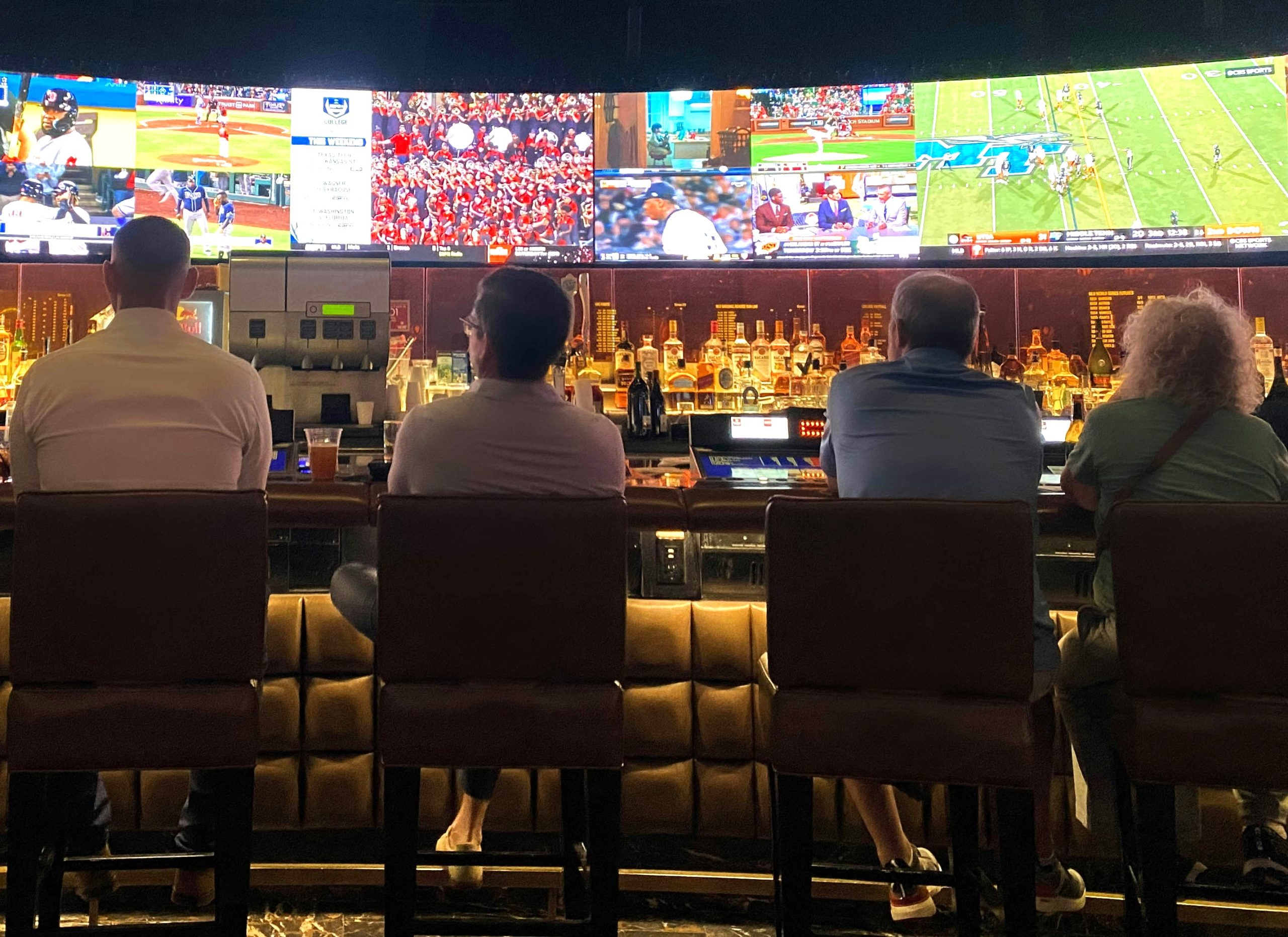
Betting on sports – from locally popular disciplines such as football, rugby, cricket and mixed martial arts to a wide variety of events including Formula 1, American football, or e-sports – is the largest and fastest-growing type of gambling in South Africa, expanding by 76% year-on-year in 2023-’24, according to the NGB.
South Africans wagered R761 billion on sports events in 2023-’24, mostly through online and mobile platforms, accounting for two-thirds (66,6%) of local spending on gambling and outstripping expenditure on casinos, bingo outlets and limited payout slot machines.
Devastating personal and social consequences
“Research evidence and first-hand accounts by people negatively affected by gambling tell of workplace problems and loss of employment, damaged relationships with partners, families and communities, higher rates of domestic violence and negative impacts on physical and mental health,” says Burger.
“In some cases, people engage in risky behaviour that exposes them to criminal elements as they seek to sell possessions or borrow cash to replace their losses and gamble further in the hope of winning.
“Feelings of entrapment, such as through debt or legal action, and the accompanying feelings of shame that they can experience, puts individuals with problem gambling habits at high risk for suicide.”
Recognising gambling disorder
Gambling disorder is a diagnosable mental health condition where the compulsion to gamble drives recurrent and problematic gambling behaviours, affecting personal and family lives and relationships.
“When betting on sports moves from a controllable recreational pastime to an activity that a person spends more money or time on than they can afford, if they find themselves becoming secretive or lying about it, need to spend more to achieve the same feeling of excitement, neglect their family or work responsibilities, withdraw from social activities, or feel depressed, anxious or guilty about their gambling – these are signs that it may be time for a person to seek help,” Burger said.
Industry regulation under scrutiny
Sasop has welcomed recent announcements by the NGB of plans to tighten the regulation of gambling advertising, particularly online content targeted at young people and vulnerable groups.
“Sports betting operators entice people with the promise that the excitement of a live sports event can be intensified by placing a wager on it. Live in-game betting, wagering not only on the outcome of a sports event but on multiple moments within the event, makes online sports betting more instantaneous, risky, and attractive.”
Seeking help and setting boundaries
- Setting spending limits, taking regular breaks, and avoiding gambling when stressed or under the influence are ways to try to keep betting within healthy limits.
- For people who feel their gambling on sports is out of control, Burger advised seeking counselling alongside installing ad-blockers on web browsers and social media platforms, and registering for self-exclusion from gambling sites.
- Self-exclusion is a voluntary exclusion from any gambling activity, typically advised for at least six months when people are experiencing financial, mental or personal pressures due to gambling. This allows the person to take a break whilst they obtain counselling and treatment. Self-exclusion can be requested from gambling operators or provincial gambling boards, and free treatment is available via the NRGP.
“It takes courage but is important to open up to a partner or family that you feel you may have a problem, and to enlist their help in limiting your access to money. Debt counselling or debt review may also be a solution if betting losses have resulted in missed payments and arrears on home loans, car payments, rent, school fees or other financial commitments,” Burger said.
If you think you may have a gambling problem or are concerned about the gambling habits of a family member or partner, contact:
- the NGRP on 0800 006 008 or SMS/Whatsapp “help” to 076 675 0710. The confidential toll-free helpline operates 24/7, 365 days a year, and counselling is free of charge.
- Gamblers Anonymous Hotline available daily from 08:00 until 21:00 on 060 624 7140 / 081 874 1249 (Gauteng), 083 783 5715 (KwaZulu-Natal) and 079 343 5283 / 079 368 4477 (Western Cape)
- For voluntary self-exclusion from gambling, call the NGB on 0100 033 475.
ALSO READ: Online gambling hits record highs in South Africa