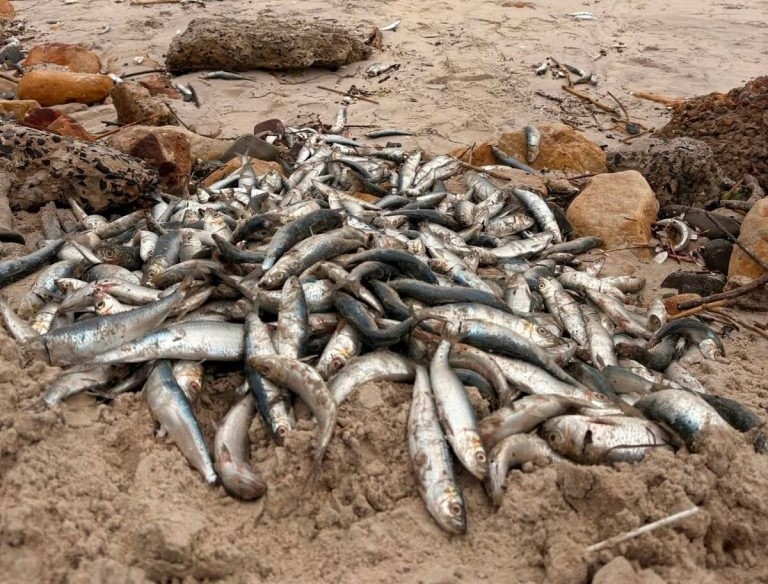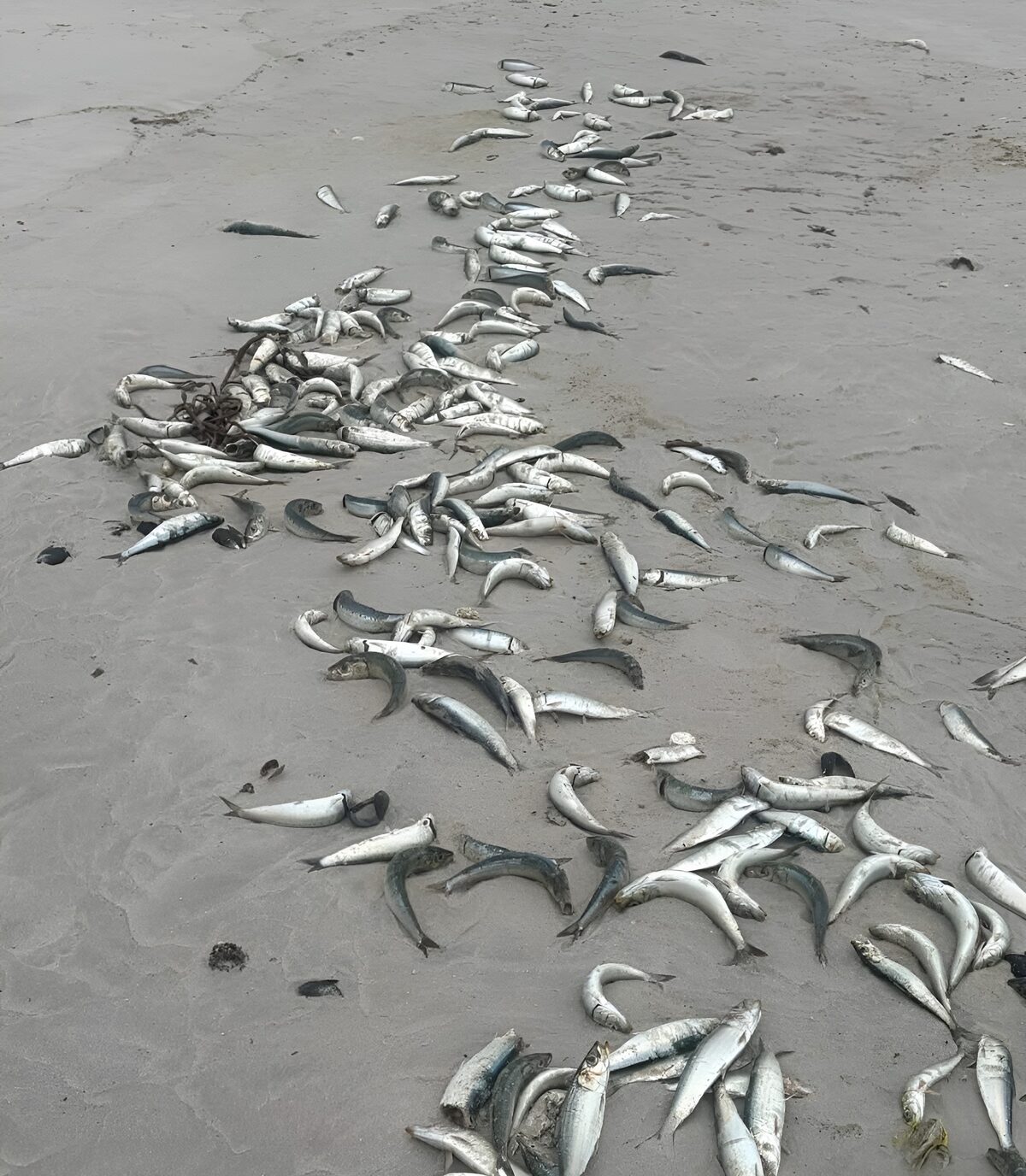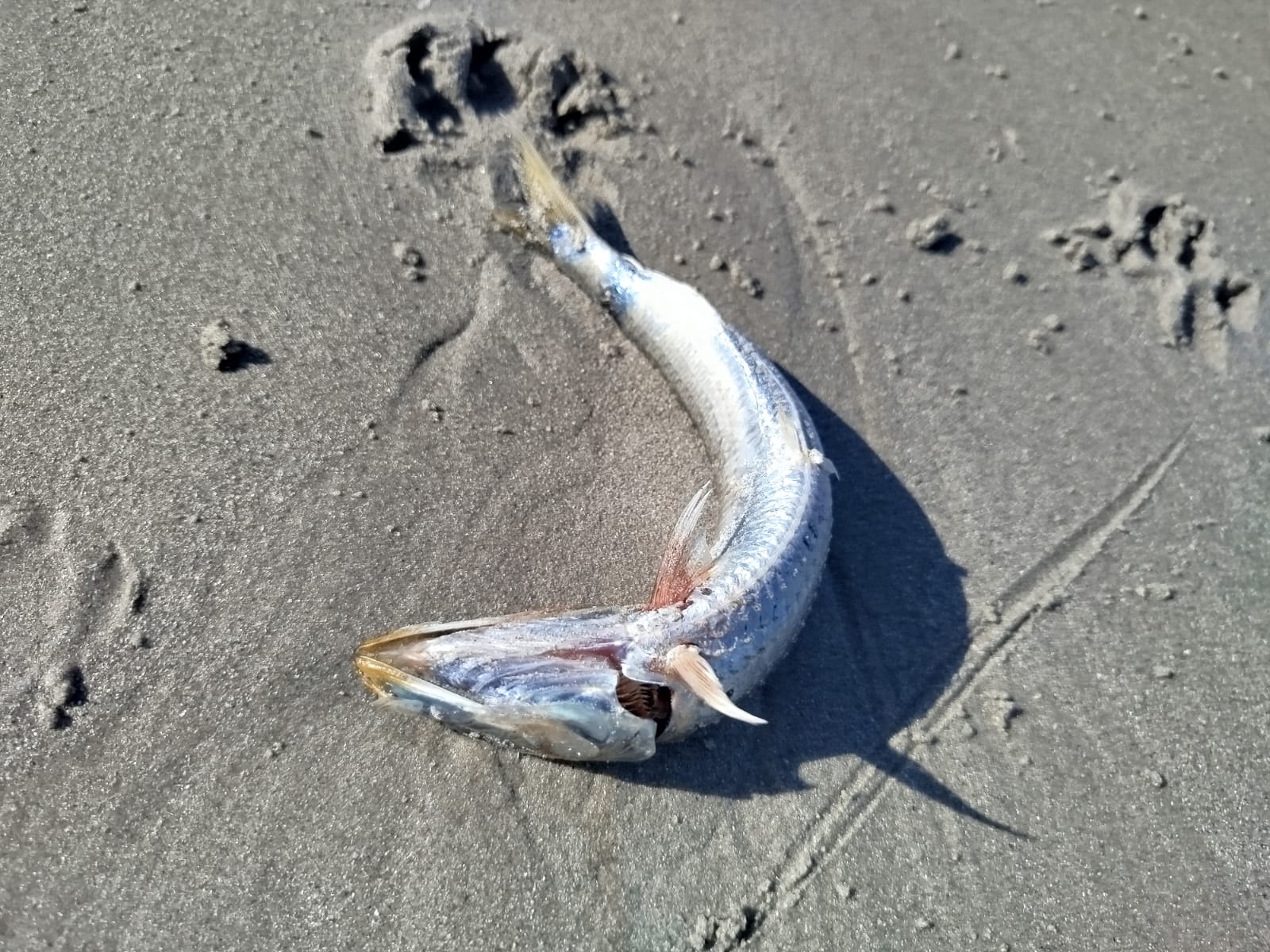
The Department of Forestry, Fisheries and the Environment says the acute sardine mortality phase appears to have ended, as laboratory testing resumes to investigate the possible role of pilchard herpesvirus.
The Department of Forestry, Fisheries and the Environment (DFFE) has received no further reports of dead sardines since 10 September, indicating that the acute phase of the mortality event has ended.
In a statement issued on Sunday, the department said surveillance was continuing as laboratory testing for pilchard herpesvirus (PHV) resumed to establish whether the virus was present and whether it was associated with the deaths.
“Further laboratory testing for pilchard herpesvirus (PHV) is underway and results are expected during the coming week,” the department said.
Samples collected before, during and after the mortality event are being tested to help determine when the virus was present, its possible association with affected fish and whether it remains detectable.
The department cautioned that the detection of viral material alone does not confirm active disease. Laboratory findings will therefore be assessed alongside fish health observations and environmental information.
Coastal authorities, fishers and members of the public have been urged to report any further sightings of dead sardines promptly.
Precautionary catch limits remain in place
An approved precautionary catch limit is in force from 3 to 30 October 2026 to regulate sardine removals while additional scientific information is collected and assessed.
Under the measure, each sardine right holder may harvest no more than 33% of its remaining uncaught 2026 directed sardine total allowable catch in the applicable management area, either west or east of Cape Agulhas.
The DFFE said the fishery remained an important source of samples for laboratory analysis, as well as information about where sardines were being encountered.
The Small Pelagic Scientific Working Group is scheduled to reassess the situation on 27 October 2026, or sooner if significant new evidence becomes available.
ALSO READ: Sardine die-off appears to be easing along South Africa’s coast
Hydroacoustic survey planned for November
Preparations are also continuing for an end-of-year hydroacoustic survey, which is scheduled to begin in early November.
The survey will cover the coastline from Hondeklip Bay to Port St Johns and is expected to provide the first fisheries-independent estimate of sardine biomass and distribution since the mortality event.
The findings should help improve understanding of the impact of the event on the sardine population and inform further management decisions.
Meanwhile, the department and its partners are continuing to implement a coordinated response plan, including monitoring potential effects on predators that depend on sardines for food and on the wider marine ecosystem.
Public warned against collecting dead sardines
The DFFE said PHV is a fish virus that is not known to infect humans. Commercially produced sardine products released through regulated channels remain safe.
However, the public has been advised not to collect or consume dead or dying sardines found on beaches or floating near the shore.
The department also warned against feeding the fish to animals or using them as bait.
Members of the public are encouraged to report new sightings to the relevant coastal authorities so that monitoring and scientific investigations can continue.
ALSO READ: African Penguin Day | Clarion call to protect SA’s most recognisable seabird